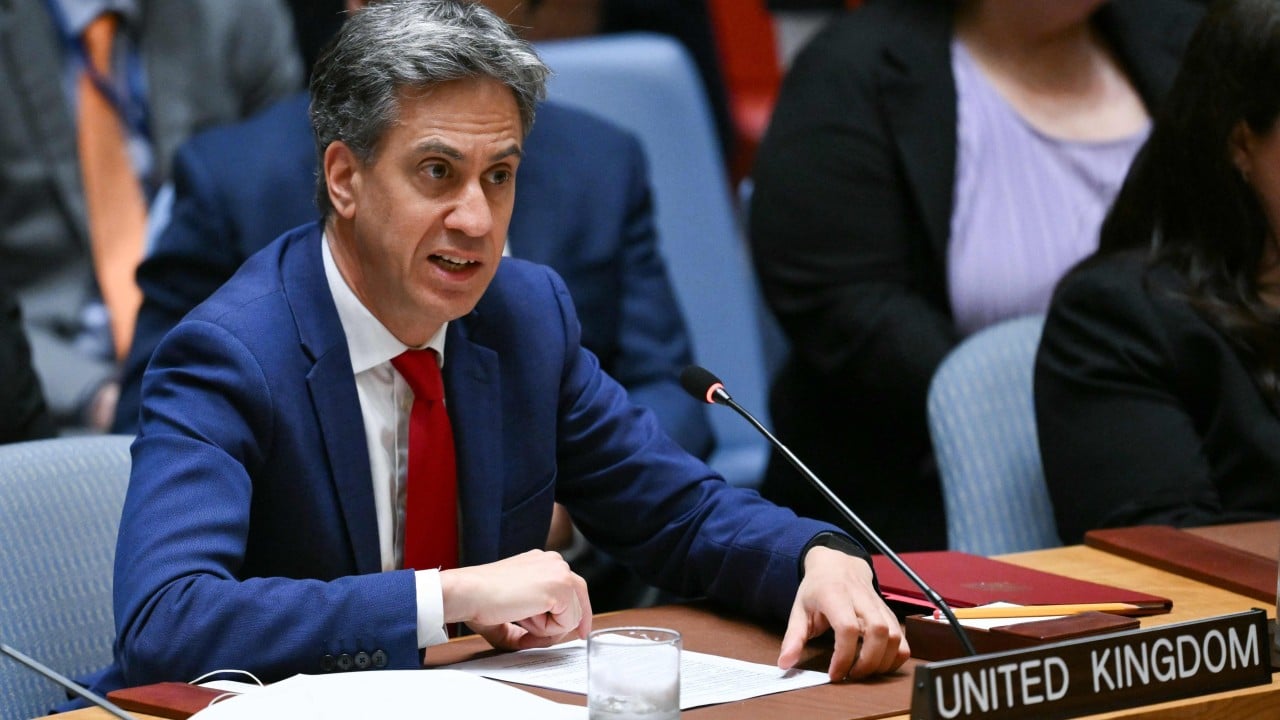
Foreign policy in the twenty-first century is rarely played out on quiet diplomatic floors. It happens in the glare of media spotlights, through proxy conflicts, and across the tense, monitored corridors of international intelligence. When British leadership steps up to the microphone to warn foreign actors that intimidation will not be tolerated, the words carry a specific historical weight. They are designed to draw a line in the sand. Yet beneath the sharp rhetoric lies a much more complicated reality of economic pressure, geopolitical posturing, and intelligence-driven deterrence.
Foreign secretaries do not issue stern warnings on a whim. Every public rebuke of Tehran by London is the product of months—sometimes years—of suppressed friction. It involves cyber warfare targeting critical infrastructure, maritime harassment in the Strait of Hormuz, and the quiet, high-stakes game of intelligence sharing among Western allies. When the UK foreign secretary tells Iran that hostile actions inside British territory or against British interests abroad will trigger consequences, the statement serves a dual purpose. It reassures domestic audiences that the state is vigilant while signaling to foreign capitals that actions carry a measurable cost.
Understanding this dynamic requires looking past the soundbites. The British state operates within a complex web of international sanctions, diplomatic channels, and defensive security measures. Decades of shifting Middle Eastern policy have taught Whitehall that simple appeasement fails, but open military escalation is disastrous. Instead, the response relies heavily on targeted financial sanctions, intelligence disruptions, and multilateral coalitions.
Diplomatic friction between London and Tehran rarely stays contained within the diplomatic pouch. It spills over into energy markets, maritime security corridors, and domestic counter-terrorism operations. When state-backed actors attempt to silence dissidents on British soil or harass commercial shipping, the response requires coordination between the Foreign Office, MI5, and international partners. The challenge for British policymakers is maintaining a credible deterrent without stumbling into an unintended regional war.
Sanctions remain the primary tool of economic statecraft. Freezing assets, restricting travel, and targeting front companies disrupt the financial lifelines supporting aggressive foreign operations. However, sanctions are a blunt instrument. They impose severe hardship on local populations while often failing to alter the strategic calculus of ruling elites. Analysts studying the UK-Iran relationship note that economic pressure must be paired with undeniable cyber defenses and physical security upgrades to be truly effective.
Maritime security adds another layer of complexity. The waters of the Gulf are a vital artery for global trade. When commercial vessels face seizure or harassment, the economic shockwaves are felt from London to Tokyo. Royal Navy deployments and international maritime task forces act as a stabilizing presence, but patrolling millions of square miles of ocean is a constant logistical strain. Every standoff at sea is a calculated risk, a test of nerves where a single miscalculation by a junior officer could ignite a wider conflagration.
Domestic security is where foreign policy hits home. Intelligence agencies have repeatedly warned about covert operations directed against dissidents, journalists, and political opponents residing in the UK. Protecting these individuals requires a massive allocation of resources from domestic counter-terrorism police. It transforms ordinary suburban streets into frontlines of international espionage. When a foreign secretary speaks of zero tolerance, they are referencing these thwarted plots—the threats the public rarely hears about until an arrest is made or a security advisory is issued.
The strategic landscape is further complicated by shifting alliances. Tehran looks east for economic lifelines, finding partners willing to bypass Western financial architecture. This reality blunts the impact of unilateral or even bilateral UK sanctions. To counter this, British diplomacy must remain tightly synchronized with European partners and Washington, presenting a unified front that makes evasion difficult, even if it cannot entirely prevent it.
Critics often argue that public warnings are hollow—mere words intended for the evening news rather than a serious strategy. There is merit to this cynicism. Words alone will not deter a regime accustomed to international isolation. Yet diplomacy is an exercise in signaling. Clear red lines establish a baseline of accountability. When those lines are crossed, the subsequent actions—whether an expulsion of diplomats or a new wave of asset freezes—are legitimized by the prior warning.
The human cost of this ongoing geopolitical chess match is often obscured by policy jargon. Families separated by political exile, sailors navigating dangerous waters, and intelligence officers working in the shadows bear the brunt of these state-level tensions. The UK foreign secretary’s warning is not just a diplomatic talking point; it is the public face of an exhausting, round-the-clock defense of national sovereignty.
As diplomatic channels remain strained and regional tensions fluctuate, the standoff between London and Tehran shows no sign of easing. The British government finds itself managing a permanent state of high alert, balancing the imperative to protect national interests with the necessity of avoiding catastrophic escalation.
The pressure will not subside tomorrow. Tehran will continue to probe for weaknesses, testing the resolve of Western governments through asymmetric means, cyber operations, and regional proxies. In response, London must maintain its posture of watchful deterrence, reinforcing alliances and hardening domestic defenses against foreign interference.
The red line has been drawn again. Whether it holds depends less on the rhetoric coming from the podium and more on the quiet, unyielding work happening behind closed doors.