The cockpit door of a modern commercial airliner is designed to withstand a sledgehammer, a bullet, an axe. It is an engineering marvel born of paranoia and protection, built to keep the chaotic world outside safely sequestered from the sanctuary of the flight deck.
We board these pressurized metal tubes every day, handing our lives over to total strangers who wear crisp uniforms and carry professional demeanors. We place our faith in systems of checks and balances, dual controls, psychological screenings, and the comforting illusion that institutional vigilance never sleeps. We trust the steel. We trust the locked door. You might also find this connected article interesting: Why John Kennedy May Enter the 2028 Presidential Race.
Then comes the fracture.
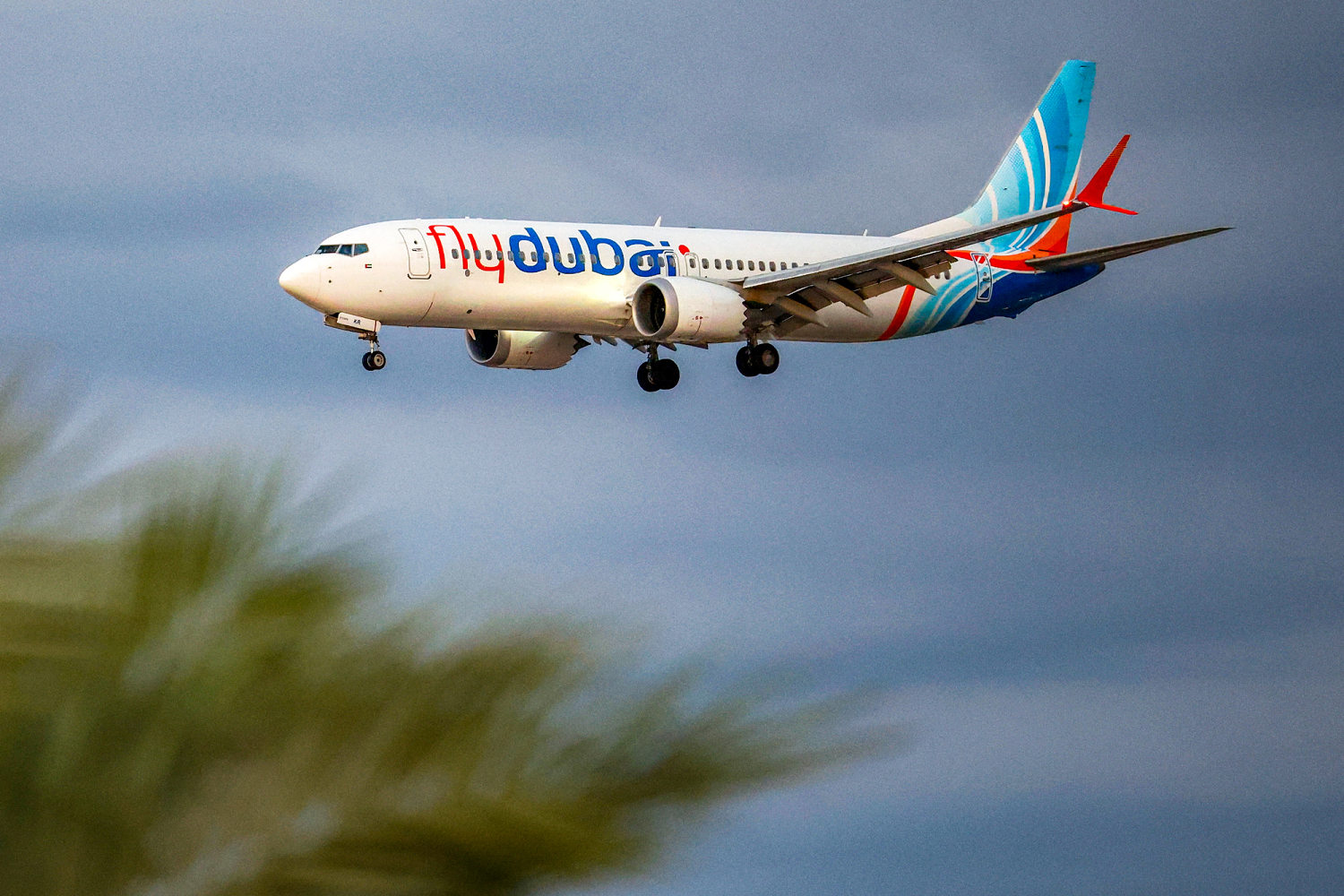
Early indications surrounding an incident involving a Flydubai co-pilot suggest something terrifyingly intimate. Not an external threat, not a mechanical failure, nor a ghost in the avionics. Investigators peering into the smoking wreckage of normalcy point toward a chilling possibility: an act born entirely within, executed by a single human mind untethered from restraint. As reported in detailed reports by TIME, the effects are widespread.
Officials say the co-pilot acted alone.
Consider the silence of that realization.
When an aircraft plunges or veers off the calculus of safety, our collective panic usually searches for a villain with a face we can hate—a political extremist, a rogue state, a negligent manufacturer. We want a complex conspiracy because it makes the universe feel orderly, dangerous, but conquerable. A lone actor operating inside the sanctuary of the flight deck shatters that comfort. It forces us to confront the most fragile variable in aviation history: the human brain.
Pilots undergo rigorous vetting. They spend thousands of hours studying aerodynamics, meteorology, physiological responses to hypoxia, and emergency protocol. They sit across from stoic flight surgeons, answering questions about mood, stress, sleep, and sanity. Yet the human psyche is a cavernous, poorly lit room. A person can pass every test on a Tuesday, harbor a quiet storm on a Wednesday, and cross an invisible psychological threshold by Thursday.
The aviation industry operates on redundancy. Two pilots in every seat. Two sets of hands on the yoke. Two brains constantly cross-checking altitude, air speed, and heading. This philosophy assumes that if one mind falters, the other stands as an immovable bulwark.
What happens when the person tasked with guarding the gate becomes the storm itself?
The mechanics of such a tragedy are rarely sudden. They build in the quiet margins of a life. The missed signals at dinner tables, the unreturned texts, the slow, agonizing erosion of hope or stability that leaves a person stranded on an internal island. By the time they step onto the tarmac, slip their arms into the sleeves of their jacket, and climb the metal stairs into the flight deck, the outside world has already receded. To them, the cockpit is no longer a shared office workspace. It is a stage.
When the news breaks, the cycle is predictable. The talking heads parse radar data. The aviation analysts dissect flight data recorders, listening for the microscopic inflections in voice communications. They look for anomalies in pitch, breathing patterns, the exact second a switch was flipped or a manual override engaged. They treat it like an engineering puzzle because treating it like a human tragedy is too heavy to bear.
We want answers in neat bullet points. We want a checklist of preventative measures that guarantees it will never happen again.
More psychological evaluations. Tighter monitoring. Biometric locks. Surveillance cameras inside the flight deck.
Every new rule is a monument to our collective anxiety. We wrap ourselves in layer after layer of security, hoping that if we add enough walls, we can engineer the unpredictability out of human nature. But you cannot code away despair. You cannot mandate happiness with a Federal Aviation Administration regulation.
The tragedy of a co-pilot acting alone is not just an aviation story. It is a mirror. It reminds us of how precariously close we all live to the edge of someone else's unravelling. We sit in Row 14, reading a magazine, listening to a podcast, worrying about our connecting flights, entirely oblivious to the private wars being fought forty feet ahead of us behind a reinforced door.
The engines hum a steady, hypnotic drone. The altitude display glows a soothing electric blue. Somewhere up front, a human being is making a choice that will rewrite dozens of family histories forever.
When we land, we unclunk our seatbelts, grab our carry-ons from the overhead bins, and shuffle out into the terminal, eager to get home. We forget the vulnerability of the sky as soon as our feet hit the sticky carpet of the airport terminal. But the locked door remains. And somewhere in the dark, another flight is climbing into the clouds, carrying the quiet, magnificent, terrifying weight of us all.