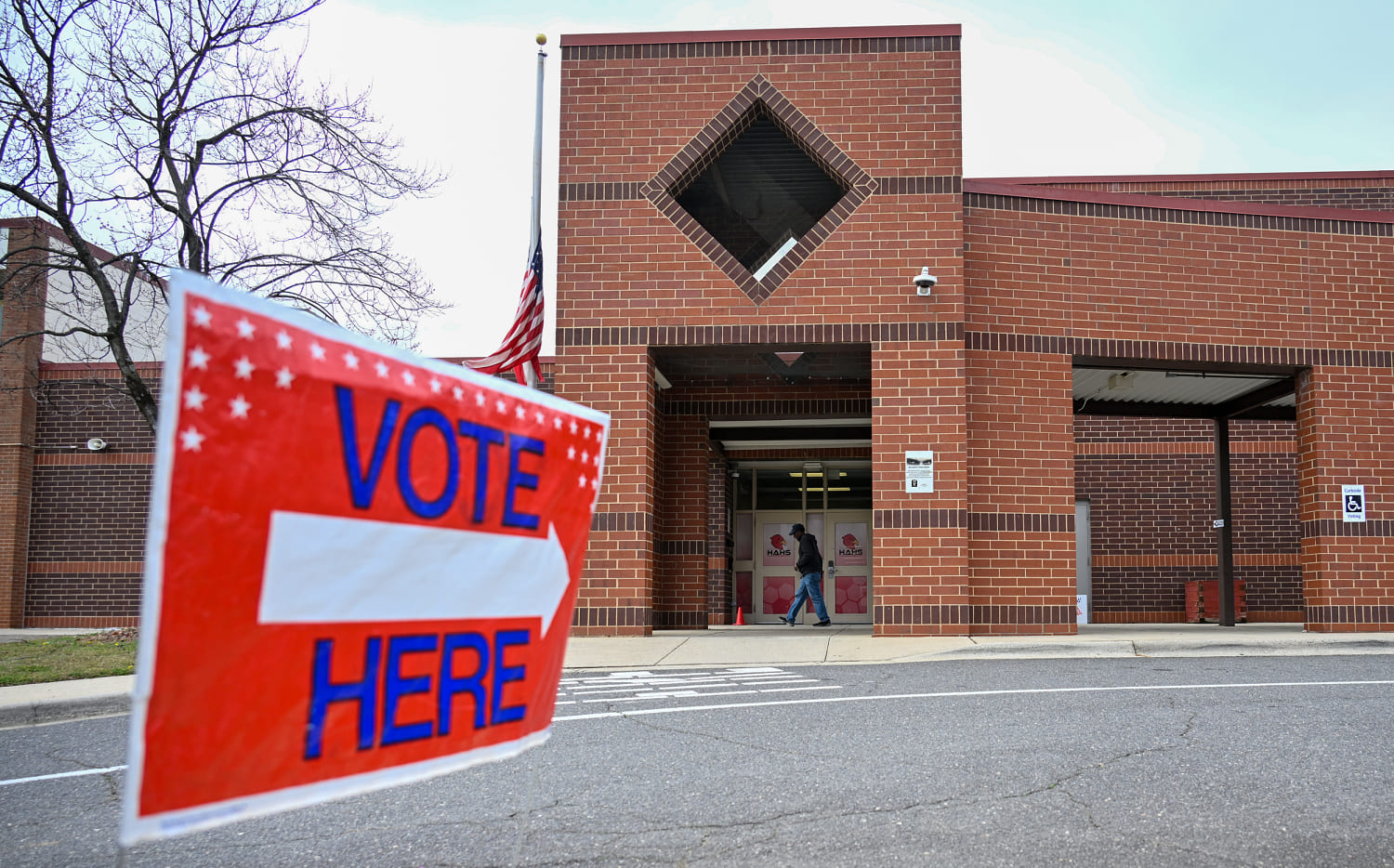
A quiet war is breaking out over where you can cast a ballot in North Carolina. If you think election laws are only shaped by high-profile bills in the state legislature or sweeping rulings from federal judges, you're missing the real story. The actual mechanics of voting—the long lines, the closed polling places, the sudden lack of weekend hours—are being decided right now by unelected or under-the-radar officials operating at the county level.
In North Carolina, a top-down campaign led by state-level partisan figures is actively pressuring local county election boards to restrict voting access. This isn't a conspiracy theory. It's happening in public meeting rooms, and honestly, it's causing deep fractures even within the Republican party itself. Discover more on a similar subject: this related article.
The strategy focuses heavily on blocking early voting sites at college campuses and cutting back operating hours in areas that tend to lean Democratic. If you're a voter in North Carolina, these micro-level decisions will dictate your experience at the ballot box during the 2026 midterms.
The Power Struggle Over Campus Voting Sites
For years, local county election boards in North Carolina operated with a decent amount of autonomy. They built early voting schedules that made sense for their specific geography and population density. That autonomy is disappearing. State Auditor Dave Boliek, a Republican, has been actively trying to exert control over these county boards, sending directives downward on how local officials should vote regarding polling locations. More reporting by USA Today highlights related views on the subject.
Boliek’s liaison to these local boards is Dallas Woodhouse, a well-known GOP operative who previously ran the state Republican party. Woodhouse has been systematically reaching out to local board members, urging them to reduce early voting hours, cut Sunday voting entirely, and prevent the setup of polling sites on university campuses.
This pressure campaign blew up publicly in Jackson County. The county election board was debating whether to approve an early voting site at Western Carolina University. Students had previously sued election officials over the denial of a primary voting site on campus, making the issue incredibly tense.
During a public meeting, the Republican members of the Jackson County board revealed that state GOP officials had threatened them. Jay Pavey, a Republican board member, stated on the record that he was told he would be removed from his position if he didn't vote against the campus polling place.
Pavey broke ranks. He cast the deciding vote to allow the campus site anyway. Another Republican board member, Wes Hanemayer, chose to resign entirely before the vote took place rather than deal with the political fallout.
"If I was smart I'd have probably done what Wes did, but I'm not." — Jackson County Board Member Thompson, commenting on the intense state-level pressure.
Why Non-Unanimous Decisions Hand Power to the State
The reason these local battles matter so much comes down to a specific quirk in North Carolina election law. If a five-member county election board unanimously agrees on an early voting plan, that plan stands. But if the vote is split—even 4 to 1—the entire plan gets kicked up to the state board of elections.
The state board of elections currently holds a Republican majority. By pressuring just one or two local Republican board members to dissent from a bipartisan, local compromise, state-level operatives can intentionally trigger a split vote. This effectively strips the decision away from the community and hands the final say to state party loyalists in Raleigh later this summer.
This tactic is being deployed across multiple counties right now.
- Columbus County: The local board is moving forward with a highly controversial proposal to shut down four out of its five early voting sites.
- Granville County: The election board approved a restrictive plan that eliminates two major early voting locations. Local residents noted these specific sites were highly convenient for minority voters and students at Granville Community College.
When local boards cut sites, they often point to budget constraints. Election funding is entirely controlled at the county commission level, meaning local commissioners decide how much money to give election staff. However, groups like the N.C. Budget & Tax Center have demonstrated a direct link between funding and voter turnout. Counties that invest heavily in larger sites and weekend hours see significantly higher participation. When state officials pressure local boards to trim plans, they're intentionally designing an environment that depresses turnout.
Purging the Voter Rolls with Flawed Data
The fight isn't just about where you vote; it's also about whether you're allowed to vote at all. The North Carolina State Board of Elections recently adopted a brand new list maintenance process designed to identify and remove suspected noncitizens from the voter registration rolls.
To do this, the state is checking its voter files against the Department of Homeland Security’s Systematic Alien Verification for Entitlements (SAVE) database. On paper, ensuring only citizens vote sounds completely reasonable. In practice, using the SAVE database for voter purges is incredibly problematic.
The SAVE database was never built to maintain voter rolls. It tracks immigration status changes over time, meaning it frequently flags naturalized citizens whose paperwork hasn't fully cleared the federal system’s lag time. In multiple states, relying on this exact database has resulted in eligible, legal U.S. citizens being wrongly flagged for removal and forced to jump through bureaucratic hoops to restore their rights. Once the state flags a name, the data is pushed down to county officials to investigate, adding an immense administrative burden to already strained local offices.
What North Carolina Voters Need to Do Now
If you want to ensure your vote counts in the upcoming elections, you can't wait until November to figure out the logistics. The rules are actively changing beneath your feet.
First, verify your registration status immediately through the North Carolina State Board of Elections portal. Don't assume you're on the rolls just because you voted in the last presidential election.
Second, check your specific county's early voting schedule by August. Because many of these split-vote plans are being kicked up to the state board for final determination over the summer, the polling places you used two years ago might not exist this year.
Finally, prepare for the state’s strict photo ID requirements. If you plan to vote in person, make sure you have an acceptable form of identification, like a North Carolina driver's license, a free voter ID card issued by your county board, or an approved student ID. If your local campus site was cut, you'll need to map out a transportation plan well in advance to get to the remaining, centralized county locations. Local groups are shifting their focus from national advocacy to direct local action, meaning your best source of real-time help will be grassroots organizations operating right in your community.