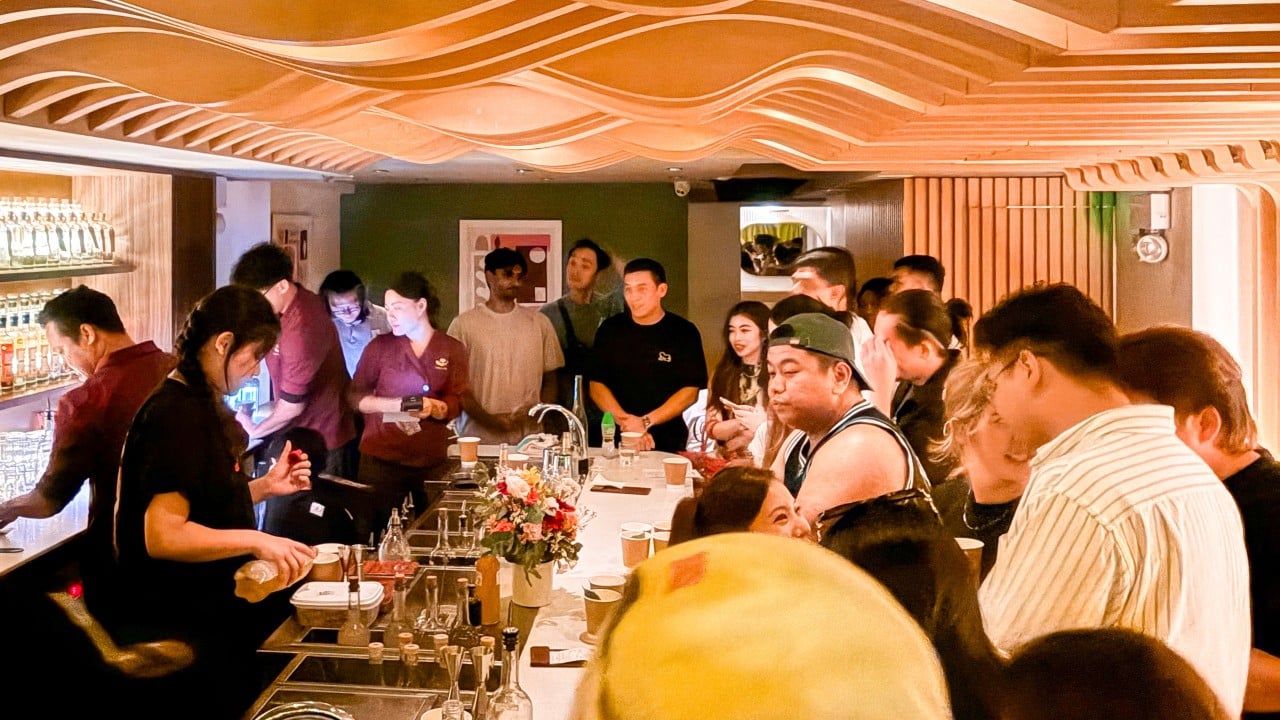
Disaster hits fast, but community response moves even faster when local organizers take charge. A popular venue in Central recently packed out as residents gathered with a singular objective: raising crucial funds for communities devastated by floods and mudslides.
When high-altitude glacier collapses trigger catastrophic flooding and landslides along Himalayan transit routes, the immediate fallout leaves remote villages isolated. People thousands of miles away often feel helpless. Yet, Hong Kong's tight-knit communities refuse to just watch the news cycle unfold from a distance. Grassroots fundraising nights have transformed neighborhood watering holes into powerhouses of humanitarian aid.
The Power of Grassroots Mobilization in Central
Central isn't just about corporate banking towers and high-end cocktail lounges. Behind the glitz, independent venues frequently open their doors for charitable causes. Organizing a successful charity night takes more than just putting out a donation box. It requires mobilizing local networks, rallying local musicians or DJs to donate their time, and convincing patrons to part with their hard-earned cash during a sluggish economic climate.
When organizers set an ambitious target—such as raising HK$50,000 during a single evening—skeptics usually point to shifting consumer habits. People are spending less. Hospitality businesses are fighting their own margin battles. Despite these economic hurdles, the venue filled to capacity. Patrons spilled onto the pavement, buying raffle tickets, bidding on donated items, and ordering specific charity drinks where a percentage of every sale went straight into the relief pool.
Why Institutional Aid Needs Grassroots Backing
Government funds and large-scale bureaucratic relief packages play a massive role in international disasters. For instance, official channels have earmarked substantial capital, such as the HKSAR government's HK$50 million allocation for regional disaster recovery, alongside international agency deployments. Bureaucracy moves slowly. Red tape, verification committees, and administrative overhead mean government money takes weeks or months to hit the ground.
Grassroots bar fundraisers bypass that delay entirely. Cash collected on a Tuesday night can be transferred directly to trusted non-governmental organizations working on the ground within forty-eight hours. Tarpaulins, clean water filters, and emergency food packs get purchased locally and distributed before official funds even clear initial banking approvals. That velocity makes community-led events indispensable.
How to Run a Effective Community Fundraiser
If you want to organize a similar charity drive in your neighborhood, copying a generic template will not work. Success relies entirely on specific operational details.
- Partner with a venue owner who has skin in the game and a regular crowd that values community impact.
- Keep administrative transparency front and center. Patrons give more when they know every dollar goes directly to boots-on-the-ground charities rather than covering event overhead.
- Secure high-value items for silent auctions or raffles from local merchants who also want exposure and a chance to give back.
- Promote heavily through hyper-local channels, community group chats, and direct outreach rather than relying on organic social media algorithms.
When people see their neighbors, local bartenders, and neighborhood regulars dropping large sums into a clear plastic bucket, a psychological shift occurs. Generosity becomes contagious.
Nepal's recovery from these seasonal climate disasters will take years, not months. While grand political pledges make headlines, the real lifeline often starts with a packed room, loud music, and a community determined to hit an impossible-looking target over a single weekend.