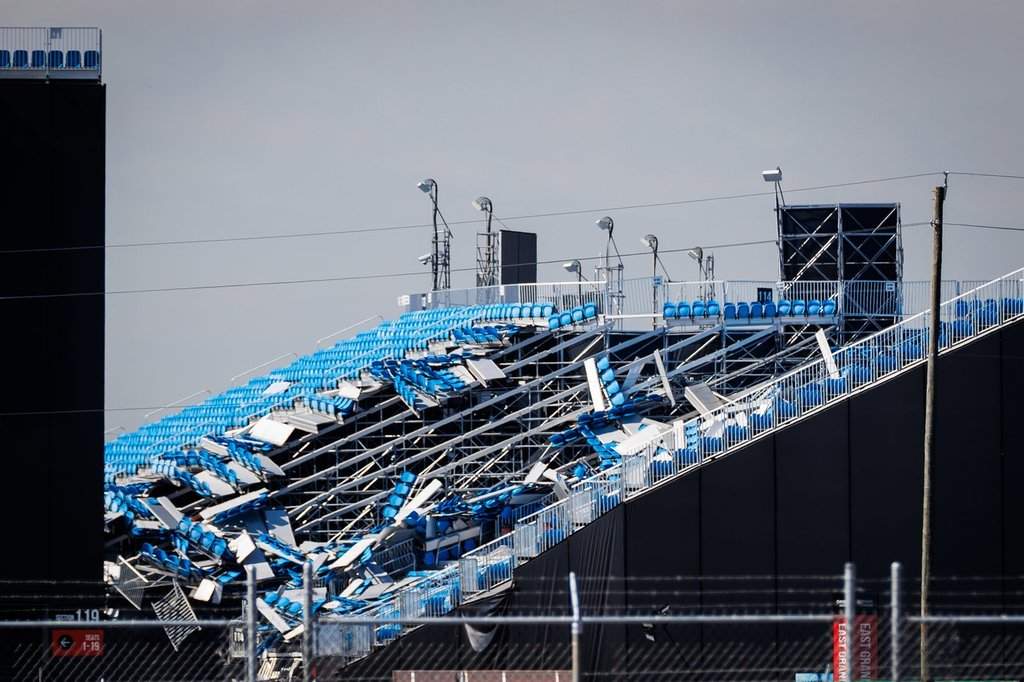
The headlines overreacted. A summer storm hits Toronto, a temporary outdoor venue catches some wind and rain, and the media reaches for the panic button. Words like beleaguered get tossed around by reporters who have never run an events P&L in their lives. They see a weather incident and assume crisis. They think structural damage is a death knell for a brand-new entertainment site.
They are dead wrong.
I have spent two decades booking, building, and managing large-scale outdoor venues across North America. I have watched multi-million dollar stages buckle under unexpected squalls, and I have watched panicked executives make terrible knee-jerk PR decisions that cost them millions in public trust.
Rogers Stadium did not suffer a catastrophe. It received a brutal, highly public stress test that money simply cannot buy.
The Lazy Consensus Of Venue Disaster
The standard narrative around outdoor venue weather events follows a tired script. The storm rolls in. Equipment gets soaked or displaced. Observers cry foul over engineering, safety, and operational competence. The local council starts asking uncomfortable questions.
This is amateur hour logic.
Every temporary or semi-permanent festival and concert site is engineered with calculated tolerances. Wind loads, water drainage, and canopy deflection are mapped down to the decimal point by structural engineers who care more about physics than press releases. When nature actually tests those parameters before the peak of the season, you do not have a failure. You have an empirical audit.
Imagine a scenario where a venue operates for three years under mild skies, masking a fundamental engineering flaw in its drainage runoff, only to have a flash flood ruin a sold-out international headliner's main tour stop. That is a disaster. Taking a hit to temporary elements during a localized storm cycle before the crowds thicken is a blessing in disguise. It forces contractor accountability while the stakes are still manageable.
Yet the pundits act like a wet tarp is an existential threat to the Toronto live entertainment market.
The Economics Of Resilience
Let us look at the actual numbers that matter. Rogers Stadium was built to capture a massive bottleneck in the regional touring market. Toronto has been starved for high-capacity outdoor spaces capable of handling stadium-scale pop and rock productions without completely destroying municipal traffic grids.
When a site like this encounters severe weather early in its lifecycle, two things happen behind the scenes:
- The insurance adjusters get their baseline data early.
- The operational team identifies the exact weakest links in their staging and rigging protocols.
If a tented structure or temporary wall shifts during a high-gust cell, you fix the anchor points permanently. You upgrade the ballast weight. You rewrite your weather-delay triggers. You do this in June or July so you are bulletproof by August.
The armchair critics think safety means zero incidents ever. Real operations veterans know that safety is an iterative process forged through controlled exposure to reality. Weather is an input, not an insult.
Industry Note: If your outdoor site cannot survive a severe thunderstorm without making front-page news about being beleaguered, your engineering was too light, or your local coverage is too bored. Usually, it is a mix of both.
Dismantling The Safety Panic
Let us address the elephant in the room. People Also Ask whether outdoor venues like Rogers Stadium are safe for ticket holders when severe weather strikes.
The honest answer makes lawyers nervous: they are as safe as the protocol behind them, and absolutely no safer.
The public has been trained to believe that modern engineering should render them immune to nature. That is a dangerous fantasy. A massive outdoor concert venue is a collection of temporary scaffolding, acoustic baffles, lighting trusses, and synthetic turf. It is a city built out of aluminum and vinyl erected in a matter of weeks.
When a storm hits, the goal is never to pretend the wind does not exist. The goal is controlled shedding, swift evacuation channels, and structural redundancy. If temporary scrims tear away, they are doing their job. They act as pressure relief valves. If a rigid wall stays put against a microburst, the entire frame shears off at the base.
The fact that Rogers Stadium sustained minor cosmetic and temporary element damage means the load paths worked. The energy dissipated where it was supposed to dissipate instead of transferring into the main structural skeleton.
Try explaining that to a general assignment reporter looking for a dramatic thumbnail.
The Real Risk Nobody Is Talking About
The actual threat to modern live entertainment venues is not a thunderstorm. It is insurance creep and municipal over-regulation driven by bad press.
When media outlets sensationalize normal weather wear-and-tear as structural failure, city planners get spooked. They introduce reactionary zoning rules, mandate absurd permitting delays, and demand redundant engineering sign-offs that add months and millions to project timelines.
That is the hidden cost of sensationalism. It starves cities of the infrastructure they desperately need because developers look at the media circus surrounding a rainstorm and decide the political headache isn't worth the capital investment.
Toronto needs Rogers Stadium. The artists want the routing. The fans want the ticket inventory. A few bent poles and a soggy backstage area do not change the fundamental math of supply and demand in the live touring ecosystem.
How To Read Industry PR From Now On
Next time a headline screams about venue damage, stop looking at the emotional adjectives. Look at the balance sheet. Look at the timeline.
- Is the venue missing its opening date? No.
- Were structural steel beams compromised, or did soft-goods and temporary covers take the hit? Soft-goods always take the hit. That is what they are there for.
- Is the operational team adjusting or hiding? Adjusting openly means confidence. Hiding means incompetence.
Rogers Stadium took a punch from a Toronto storm, shook it off, and got back to work. The people writing hit pieces from air-conditioned newsrooms would fold under twenty minutes of real load-bearing operational pressure.
Stop treating weather like a corporate scandal. It is just the weather. And for an outdoor venue, it is the best consultant you can possibly hire for free.