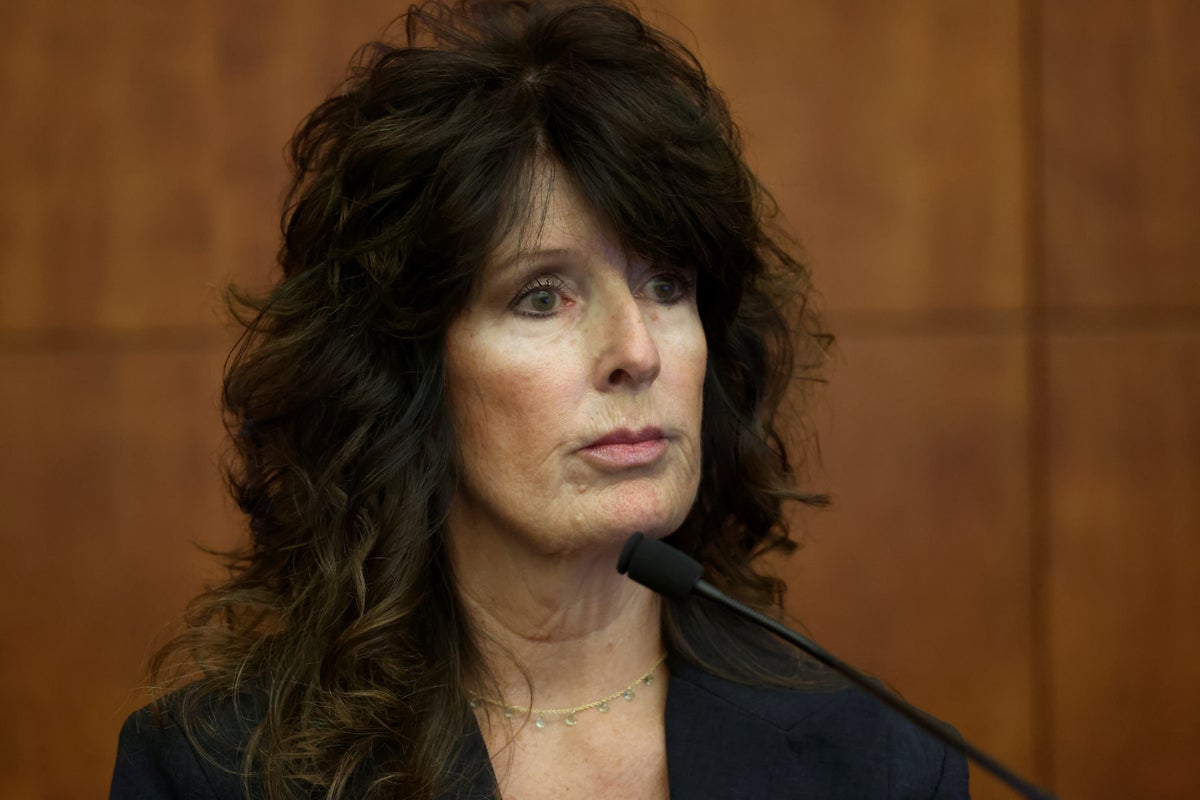
When Elaine Rossi took the stand in a Plymouth courtroom, her testimony cut straight through the noise surrounding one of the most harrowing criminal cases in recent memory. The former nanny for Lindsay Clancy didn't paint a picture of a monster. Instead, she described a doting mother who loved her kids deeply, even as severe insomnia, sudden weight loss, and intense anxiety began tearing her life apart.
The trial forces a brutal conversation about motherhood, mental healthcare failures, and the terrifying reality of postpartum psychosis. Everyone wants a simple narrative of good versus evil. Reality is rarely that clean.
The Warning Signs No One Caught
When you look at the timeline, the breakdown happened in plain sight. Rossi worked for the family from September to December 2022, right after the birth of the youngest child, Callan. During those months, Clancy wasn't hiding her distress. She shared openly about her struggles with sleep and postpregnancy mental health issues.
Her personal journals, read aloud to the jury, painted a picture of absolute desperation. She wrote about brain fog, an inability to make basic plans, and living moment-to-moment just waiting for the next nap time. She was a former labor and delivery nurse. She knew how to ask for help. She did ask for help.
Yet, the system handed her an ever-shifting rotation of psychiatric medications. Antidepressants, sleep aids, and antipsychotics were prescribed and adjusted as her mental state deteriorated. Her defense team argues that these overlapping prescriptions—given to a patient later diagnosed with bipolar disorder—worsened an already critical condition.
The Clash Between Intent and Illness
The prosecution argues that on January 24, 2023, Clancy acted intentionally. They point to her asking her husband to run errands as a calculated move to clear the house. They want the jury to see a cold, calculated crime rather than a medical catastrophe.
The defense tells a completely different story. They argue that Clancy was entirely untethered from reality, gripped by postpartum psychosis and hearing commanding voices telling her to destroy her family and then herself. After the killings, she jumped from a second-story window, leaving her paralyzed from the waist down. When a forensic psychologist spoke to her in the hospital days later, she was horrified, asking if her legs were broken and where her family was.
This isn't just a legal battle over criminal responsibility. It is a diagnostic tragedy. When severe mental illness completely breaks a person's hold on reality, standard definitions of intent blur into terrifying ambiguity.
Why This Case Keeps Haunting Us
People struggle to reconcile the two truths of this case. How can a wonderful, caring mother commit an unthinkable act? Because severe psychiatric illness changes the brain into an unrecognizable landscape. Rossi saw the loving mom. She also saw the prescription bottles piling up.
Medical malpractice lawsuits filed by both Lindsay and her ex-husband target the clinicians who they believe ignored signs of acute risk. When someone checks into a psychiatric hospital, gets discharged after short stints, and is handed another prescription seventeen days before a tragedy, the healthcare safety net has failed completely.
We have to look past the shock value of the headlines. Postpartum mental health issues are treated too often as standard baby blues rather than the medical emergencies they actually are. Until the medical community establishes rigorous, foolproof protocols for handling severe post-birth psychiatric crises, families will remain entirely unprotected.
Listen to the people who were there. Pay attention to the quiet desperation hidden behind closed doors. Stop pretending that love alone can anchor someone who is losing their mind.