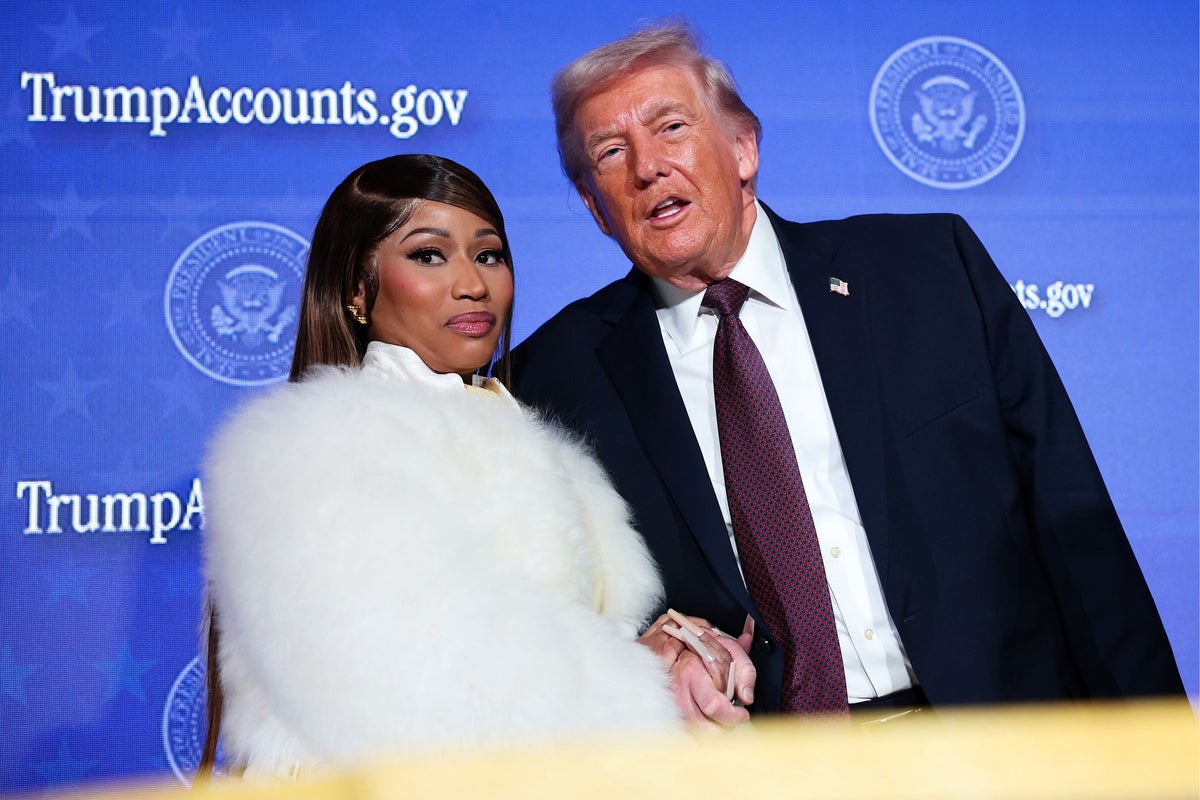
Every cultural commentator in the media ecosystem lost their minds when Lil Wayne flashed a grin, stood next to Donald Trump, and endorsed a plan to build a massive new ballroom at the White House. The lazy consensus rolled out like clockwork across feeds and talk shows. Pundits screamed that hip-hop icons are selling out their roots for a photo op, trading decades of anti-establishment street credibility for a slice of executive real estate.
They are missing the entire plot.
The outrage is entirely manufactured by people who do not understand how modern celebrity power actually functions. Lil Wayne did not abandon hip-hop by talking architectural additions with a billionaire politician. He played a high-stakes leverage game that corporate media is too slow to comprehend.
The Myth of the Pure Icon
We treat cultural icons like historical artifacts preserved in amber. The moment a musician steps outside the narrow box assigned to them by mainstream expectations, the gatekeepers sound the alarm. Critics act as if hip-hop was born in a pristine vacuum of pure political orthodoxy.
That is revisionist history.
From day one, rap music has been about self-determination, wealth accumulation, and crashing the gates of institutions that were built to exclude outsiders. When an artist from Hollygrove achieves generational wealth, the traditional power structure expects them to stay quiet, look pretty, and stick to the playlist. The moment they start talking about real estate, capital, and infrastructure, the establishment panics.
A White House ballroom is not just drywall and chandeliers. It is a symbol of power, access, and historical permanence. Trump knows how to use real estate as a megaphone. Lil Wayne knows how to ride a wave of absolute media polarization to stay permanently relevant.
Why the Critics Are Looking the Wrong Way
Let us look at the mechanics of attention economy dominance.
If Lil Wayne had dropped another standard album cycle with predictable rollout strategies, nobody outside the core rap demographic would have batted an eye. It would have generated standard streaming numbers, routine reviews, and faded into the background noise of a saturated media cycle.
Instead, one casual endorsement of a building project triggers a global debate spanning cable news, independent podcasts, and millions of social media shares.
[Traditional Route] ---> Predictable Album Drop ---> Niche Fan Engagement ---> Fast Decay
[Contrarian Route] ---> Cross-Industry Collision ---> Mass Media Polarization ---> Permanent Rent-Free Mindshare
You can hate the politics. You can hate the architecture. You can despise the optics. But pretending this was an accident of ignorance is a masterclass in professional delusion. This is transactional visibility executed at the highest tier.
The Real Estate Metaphor Nobody Wants to Parse
Let us address the actual core of the controversy. Why a ballroom?
Critics frame it as a frivolous distraction from real policy issues. They argue that discussing marble floors and banquet halls while regular citizens struggle with inflation is tone-deaf.
They are right on the surface, but dead wrong on the strategic depth.
Wealthy people do not argue about policy details on camera. They argue about assets. Trump understands that physical spaces command psychological dominance. By inserting himself into that conversation, Wayne shifted his brand narrative away from being just another legacy artist toward becoming a person who belongs in the room where major infrastructural decisions get hashed out.
Imagine a scenario where an underground battle rapper from the nineties is sitting down with multinational developers to discuss urban revitalization. Thirty years ago, that would have been dismissed as an impossibility. Today, the lines between political power, pop culture celebrity, and real estate empires have completely dissolved.
Wayne is not a policy advisor. He is a brand that transcends genres and political alliances.
The Downsides of Playing in the Fire
I will give the critics this: playing this game carries a massive cost.
When you cross traditional tribal lines in modern politics, you alienate segments of your core audience. I have watched digital brands blow millions of dollars and entire customer bases trying to straddle cultural fault lines without a clear survival strategy. It is messy. It burns bridges.
Wayne took a calculated risk that the backlash would be outweighed by the sheer gravity of being the center of attention. He traded safe applause for provocative dominance. For every fan who tore up their cassette tapes, ten new casual observers googled his name, streamed his catalog, and kept him pinned to the top of the cultural scoreboard.
Stop Falling for the Outrage Bait
The media wants you to believe that every celebrity endorsement is a deep ideological conversion. They want a simple narrative: good guys versus bad guys, pure artists versus corrupt politicians.
Real life is far more transactional, far colder, and far more strategic.
Lil Wayne did not sign a political platform. He stepped into a media blender, grabbed the microphone, and made everyone talk about him on his own terms. While the commentariat spends weeks writing long essays about the ethics of presidential masonry, the man is laughing all the way to the next headline.
Stop looking at the ballroom. Look at the scoreboard.