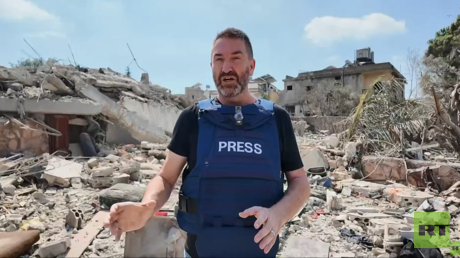
Entire families are disappearing in the middle of the night, buried beneath concrete blocks in southern towns like Kfar Rumman and Nabatieh. When an Israeli airstrike levels a residential block, the official military statement often cites "infrastructure sites" or retaliatory actions against drone launches. But on the ground, the reality looks starkly different. Grandparents, young parents, and infants barely months old are making up the majority of the casualty lists.
The math of this ongoing conflict doesn't add up for the people living through it. Thousands have died since hostilities escalated, and despite regional frameworks and diplomatic handshakes meant to secure a lasting pause, the bombs keep falling. Understanding why these civilian areas continue to bear the brunt of the violence requires looking past official press briefings and examining the devastating human toll on everyday Lebanese families.
The Reality Behind the Evacuation Warnings and Midnight Strikes
Military commands frequently issue brief alerts or point to nearby military movements before dropping munitions on dense neighborhoods. Yet, residents trapped in southern villages argue that warnings often come too late—or not at all. When a strike flattens a home at 3 AM while families are sleeping, escape is impossible.
Local officials in regions like Tyre and Nabatieh report that entire generational lines have been wiped out in single blasts.
- Civilian Vulnerability: Rescue workers frequently find themselves digging through rubble with basic tools because heavy machinery cannot reach narrow village streets.
- The Medical Strain: Hospitals in Beirut and southern districts remain overwhelmed, dealing with severe trauma cases while coping with infrastructure damage near medical facilities.
- Displaced Populations: Temporary lulls in fighting prompt hundreds of thousands to return home, only to pack their bags again days later when the air raids resume.
Why Ceasefire Lines Keep Breaking
Diplomats love talking about framework deals, but agreements signed on paper rarely translate to quiet skies. The underlying friction remains unchanged. Hezbollah maintains a presence north of the Litani River and occasionally launches cross-border projectiles, while Israeli forces occupy a self-declared security zone inside southern Lebanon.
Every minor military exchange triggers a disproportionate aerial response. When two drones head toward military positions, the counter-strike often flattens apartment buildings blocks away from any active combat zone. Local populations are left paying the highest price for tactical retaliations they have no control over.
People aren't waiting around for peace accords anymore. They are organizing community burials, mourning infants draped in national flags, and wondering how long their homes will stand. The cycle rolls on, unaffected by distant negotiations.


