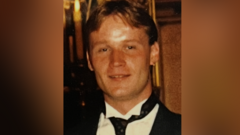
A beer garden is supposed to be a sanctuary. It is a patch of gravel and weathered timber where the noise of the working week goes to die, replaced by the low murmur of conversation, the heavy scent of damp earth mixed with spilled lager, and the comforting, predictable hum of traffic rolling past in the distance. On a bright afternoon, it is the most ordinary place on earth.
Until the glass shatters.
We build our lives around the fragile architecture of family, assuming that the blood ties binding us are reinforced steel. We walk into rooms with people who changed our diapers, taught us how to ride a bicycle, or yelled at us for missing a curfew, carrying decades of shared history like an invisible cloak. We forget that underneath the threadbare fabric of that history, old grievances can curdle. We forget that familiarity does not always breed affection. Sometimes, it breeds a quiet, suffocating resentment that waits patiently in the dark, looking for a sunlit afternoon to step out into the open.
Let us return to that pub garden. Let us look past the overturned plastic chairs and the pale faces of the patrons who dropped their pints and ran.
The man sitting across the sticky wooden table was not a stranger from a dark alley. He was a son. Across from him sat his father. Between them stood decades of silence, unsaid apologies, and the heavy, grinding machinery of a relationship that had long since broken its gears.
Violence rarely arrives like a thunderclap. It creeps in on cat feet. It starts with a raised voice over a spilled drink. It sharpens into an insult that cannot be unsaid. And then, in a terrifying flash of primal impulse, the invisible line is crossed. A fist flies. A weapon is drawn. Gravity takes over.
When the police arrived, the sirens cut through the lazy afternoon air like a saw blade. They found the father on the ground, life draining away onto the gravel among cigarette butts and autumn leaves. They found the son standing over him, hands trembling, perhaps realizing only then the permanent gravity of what he had done. The pint glasses were still half-full. The sun was still shining. The world outside the pub kept spinning on its indifferent axis, entirely unaware that a universe had just imploded in the span of ten seconds.
The courtroom months later smelled of floor wax and wet wool. Juries are asked to perform an impossible alchemy: to look inside the human heart, weigh the immeasurable weight of a lifetime of trauma, anger, and desperation, and reduce it to a binary verdict. Guilty.
There is a comforting lie we tell ourselves about crime and punishment. We like to imagine that monsters wear masks, that evil lives in shadowy corners far away from our own neat neighborhoods. But the grim truth of the matter is far more intimate. Most violence is domestic. It happens between people who share a surname. It happens over kitchen tables, in hallways, and yes, sometimes at picnic tables outside local pubs where everyone knew their names.
When the jury delivered their verdict, there were no gasps of cinematic shock. Just a heavy, sagging sigh that rippled through the public gallery. Another family destroyed. Another tragedy filed away into court archives and local newspaper columns, destined to be forgotten by everyone except the few souls condemned to live in the wreckage.
We walk past pub gardens every single day. We hear the laughter, the clinking of glasses, the juke box playing old songs into the afternoon. We rarely stop to think about the pressure cookers walking among us. We rarely consider how close the people we love are to the people we might someday destroy.
The gavel falls. The cell door closes with a dull, echoing thud. Outside, the sun goes down, indifferent to the blood on the gravel, leaving behind only the long, cold shadows of what used to be a family.