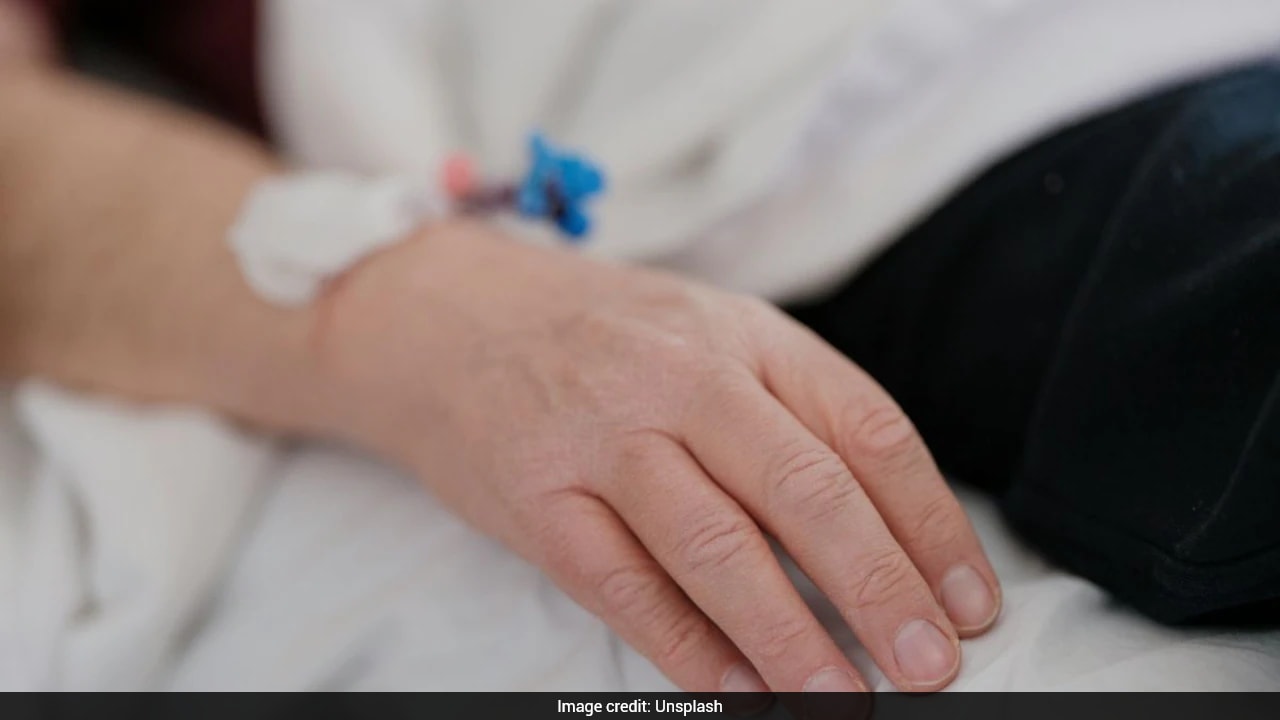
The light in a hospital room at four in the morning possesses a particular, cruel clarity. It reflects off linoleum and stainless steel, illuminating the slow, rhythmic rise and fall of a chest tethered to machines. For years, families across France have sat in that specific stillness, listening to the mechanical hum of a ventilator or the drip of an IV, watching someone they love disappear long before their heart actually stops beating.
Death is inevitable, but the manner of it has long been dictated by the state. Until now.
In a voting session that stretched into the late hours at the National Assembly in Paris, lawmakers finally broke a multi-year political gridlock. The Right to Die with Dignity Act passed its final hurdle with a vote of 291 to 241. It was a narrow, hard-fought victory that represents the most seismic shift in French social policy since the abolition of the death penalty. President Emmanuel Macron, who championed the reform as a cornerstone of his second term, acknowledged the gravity of the moment, noting that the legislative path had been traveled with humility and deep democratic respect.
Yet, beyond the marble corridors of the parliament, the true weight of this law rests on bedside tables, tucked between pill bottles and faded family photographs.
Consider a hypothetical citizen named Jean. He is sixty-eight, a former schoolteacher from Lyon, suffering from late-stage pancreatic cancer. The treatments have ceased to work. His world has shrunk to the perimeter of a rented medical bed in his living room. The pain, despite the heavy doses of synthetic opioids, feels like a physical weight pressing down on his ribs. Jean does not want to die, but he knows he is dying. What he wants, more than anything, is to decide the punctuation mark at the end of his own sentence.
Under the previous legal framework, Jean’s only option was continuous deep sedation—a process where doctors would medicate him into an artificial coma until his body eventually succumbed to starvation or organ failure. It was a compromise that satisfied legal definitions but often left families in a state of prolonged, agonizing grief.
The new legislation changes the calculus entirely. It establishes a heavily regulated path for assisted dying, allowing adults with incurable, life-threatening illnesses to request and self-administer a lethal substance.
The system is designed with a series of deliberate, institutional friction points to prevent abuse. A patient cannot simply demand a prescription. They must make a formal, written request. The treating physician must then consult a panel of independent healthcare professionals to verify that the patient meets the criteria: they must be a citizen or legal resident, possess full mental competence, and be experiencing unmanageable physical or psychological torment stemming from an irreversible, terminal condition.
Psychiatric illnesses and neurodegenerative disorders like Alzheimer’s are explicitly excluded. The law targets the intersection of terminal physical decline and unyielding pain.
If the medical panel approves the request, a mandatory two-day reflection period begins. This is a pause built into the law to ensure that the decision is not a fleeting reaction to a particularly bad morning. The patient must look at the choice in the cold light of a second day and say, "Yes, this is still what I want."
The moral landscape of France, a nation deeply rooted in Catholic tradition, has been fractured by this debate. The French Catholic Church immediately condemned the vote, calling it a serious rupture in the country's history and warning that the legislation fundamentally alters the societal duty to protect vulnerable lives. Opponents argue that the law introduces a subtle, insidious pressure on the elderly and the disabled, whispering that they have become a burden to their families and the state healthcare system.
But public opinion has steadily drifted away from traditional doctrine. Polls leading up to the vote indicated that over eighty percent of the French population supported some form of legal aid in dying. The reality is that for decades, those with financial means have simply quietly crossed the border into Belgium, Switzerland, or the Netherlands to achieve what their own country denied them. The law closes that geographic divide, democratizing the final exit.
There are still hurdles. Prime Minister Sébastien Lecornu has initiated a review by the Constitutional Council to scrutinize specific mechanisms of the text, including the brevity of the reflection period and how the law applies to individuals under legal guardianship. Furthermore, the law includes a strict conscience clause. No doctor or nurse can be forced to participate in the process. If a physician objects on moral or religious grounds, they are legally required to refer the patient to a colleague who will fulfill the request.
This is not a victory of politics; it is a concession to human fragility. It acknowledges that modern medicine is extraordinarily adept at keeping the human heart beating long after the quality of that life has evaporated.
For the people who will utilize this law, the victory is measured in quiet moments. It is the ability for someone like Jean to gather his family on a Tuesday afternoon, to say his final words clearly, without the haze of terminal delirium, and to slip away on his own terms. The state has finally stepped back from the edge of the bed, leaving the final choice to the person lying in it.