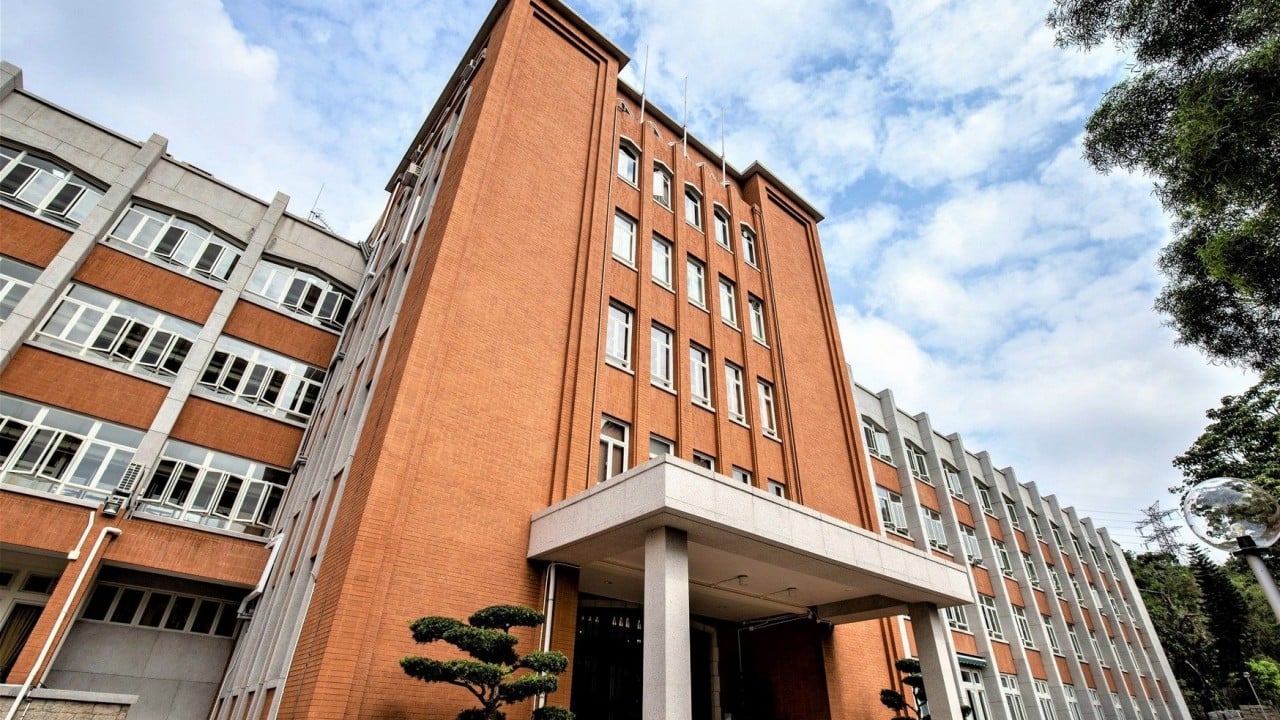
Fear moves quietly through corridors long before it hits the headlines. At Good Hope School, a prestigious institution in Hong Kong, a routine administrative memo regarding a Form Six graduation video unexpectedly blew the lid off an underlying anxiety. The leaked guidelines suggested strict limits on the local tongue, restricting Cantonese background tracks and demanding English subtitles.
Public outrage erupted within hours. Parents, alumni, and digital commentators reacted not just to a set of production rules for a student keepsake, but to the deeper implication that the city's primary vernacular was being quietly nudged out of its own cultural home.
Within days, the school scrambled to retract the document. The principal issued an apology, blaming an unrevised PowerPoint slide and taking full administrative blame for the oversight. The Education Bureau stepped in with mandatory calls for a review of communication channels. Yet, the rapid retraction failed to silence the underlying question. Why would an elite local school issue such prescriptive language constraints in the first place?
The answer points directly to anticipatory obedience. In educational management circles across the territory, a quiet form of self-censorship has taken root. Administrators, anxious to prove their alignment with shifting political currents and official emphasis on multilingual proficiency, often overcompensate. They interpret broad linguistic policies through an ultra-cautious lens, translating government goals into local prohibitions that nobody actually mandated.
This is the hidden crisis of institutional governance in the region. When authorities encourage students to master written Chinese, English, and spoken Mandarin, healthy educational diversification is the stated goal. But middle management often views compliance through a lens of fear. To avoid scrutiny, administrators implement hyper-stringent rules that marginalize Cantonese, treating the mother tongue of roughly ninety percent of the population as a liability rather than a cultural asset.
The public backlash exposed a nervous nerve among citizens who view linguistic preservation as a core pillar of local identity. A graduation video is rarely just a video. For adolescents standing at the threshold of an uncertain future, it represents a collective archive of shared jokes, colloquial idioms, and emotional milestones expressed in the language they actually dream in. Stripping that away feels like an erasure of identity.
Even more telling is the reaction from official quarters. Beijing does not have an official policy against Cantonese, nor does local legislation ban its use. Cultural preservation remains intact on paper, and popular interest in regional dialects across southern China remains high. The overreaction belongs entirely to local institutions caught in a loop of administrative paranoia.
By treating everyday communication as a compliance risk, school boards reveal a profound lack of confidence. True institutional stability does not require erasing the native language of the students walking through the gates. When schools mistake compliance for cultural suppression, they teach children a far more damaging lesson about fear than any curriculum ever intended.
The paperwork at Good Hope School has been withdrawn, and the apologies have been filed away. But the climate that generated the original memo remains entirely intact, waiting for the next administrative draft to test how much more of their heritage local educators are willing to sacrifice for peace of mind.