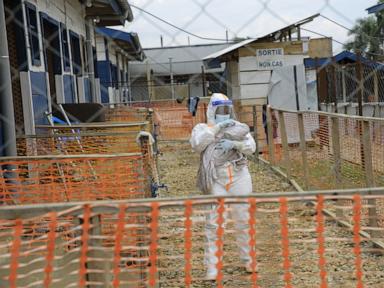
The hospital doors swing shut behind one final recovered patient, and a clock starts ticking.
When Kenya discharges its last Ebola patient, the headlines usually celebrate victory a bit too early. Most people read that news, breathe a sigh of relief, and assume the crisis is completely over. It isn't. Not even close. That discharge doesn't mark the end of an outbreak; it marks the start of the most nerve-wracking 42 days in public health.
If you've ever tracked infectious disease responses in East Africa, you know the drill. The World Health Organization (WHO) sets a strict standard before any country can officially declare itself free of Ebola virus disease. You have to go two full incubation cycles—21 days each, totaling 42 days—without a single new confirmed or probable case after the last patient tests negative twice and leaves the treatment unit. One slip, one missed contact, one quiet transmission chain in a rural clinic, and that clock resets straight back to zero.
What Happens During Those 42 Days
People think public health teams pack up their tents and go home once the isolation wards empty out. Honestly, the opposite happens. Surveillance actually ramps up to an exhausting pace.
During the 42-day countdown, epidemiologists, community health workers, and border officials run what they call "enhanced surveillance." Every unexplained fever in clinics near affected districts or transit corridors gets flagged. Every sudden death in a community requires a safe burial protocol and a post-mortem swab just to rule out the virus. It's tedious, high-stress work that rarely makes the evening news because nothing dramatic is supposed to happen.
Here's what field teams actually focus on while the clock runs down:
- Contact tracing follow-ups that verify every known exposure has passed the 21-day danger window without developing symptoms.
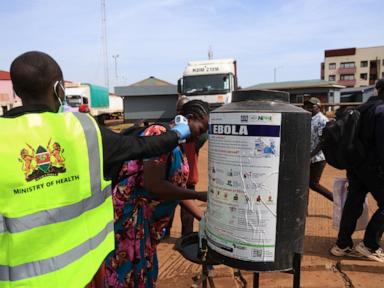
- Cross-border screening along major highways, bus terminals, and informal crossings connecting Kenya to neighbors like Uganda and the Democratic Republic of the Congo (DRC).
- Survivor monitoring programs because Ebola doesn't just vanish from the body the moment a blood test comes back negative.
- Laboratory readiness so suspected samples reach reference labs like the Kenya Medical Research Institute (KEMRI) within hours rather than days.
The Misconception About Being "Ebola-Free"
Let's clear up a massive misunderstanding. Getting an Ebola-free declaration doesn't mean the virus has disappeared from the region or that risk drops to zero.
Ebola lives in animal reservoirs—most notably fruit bats—across parts of Central and East Africa. Beyond wildlife spillover, survivors can carry traces of the virus in immune-privileged sites like the eyes, central nervous system, or semen for months after recovery. In past West African and Congolese outbreaks, flare-ups happened months after official declarations because of persistent viral shedding from a survivor.
That's why Kenya's Ministry of Health and international partners keep survivor clinics running long after the 42-day party ends. Survivors get regular checkups, eye exams, counseling, and safe-sex education. Ignoring survivor care isn't just bad medicine; it's an epidemiological blind spot that has restarted outbreaks before.
Why Kenya's Geographic Position Changes Everything
Kenya isn't an isolated island. Nairobi sits as the primary aviation, trade, and transit hub for all of East Africa.
Think about the daily movement of goods and people. Thousands of trucks roll along the Northern Corridor from the port of Mombasa through Nairobi, straight into Uganda, Rwanda, South Sudan, and eastern DRC. Flights land at Jomo Kenyatta International Airport every hour from cities across the continent and around the globe.
When an Ebola case surfaces in Kenya—or right across its borders—the containment strategy has to work at lightning speed. Unlike remote forest villages where outbreaks might smolder unnoticed for weeks, a single missed case in a dense transit hub like Nairobi or Busia could spread across borders in a single afternoon.
Kenya has spent years building up its emergency operations centers and rapid response teams precisely because of this geography. Having KEMRI's diagnostic capacity right in the country means health workers don't have to ship blood samples overseas and wait a week for answers. Speed saves lives. In hemorrhagic fever outbreaks, speed is the only thing that prevents a localized cluster from becoming a regional emergency.
What Travelers and Residents Should Actually Do
Panic helps nobody, and complacency isn't much better. Whether you live in Kenya, work in regional logistics, or have upcoming travel plans through East Africa, practical awareness beats doomscrolling every single time.
If you're traveling to or through the region, check official advisories from the Kenya Ministry of Health, the Africa Centres for Disease Control and Prevention (Africa CDC), or the WHO before departure. Keep your routine vaccinations up to date, and pay attention to port-of-entry health screenings. Those thermal scanners and health declaration forms at airports and border posts aren't theater—they're early warning tripwires.
For folks living in border counties or working in healthcare, stick to basic infection prevention habits. Report unusual clusters of severe illness to local health authorities immediately rather than relying on neighborhood rumors. Early reporting is the single biggest reason outbreaks get choked off before they spiral out of control.
Watch the calendar over the next six weeks. Every quiet day without a headline is a quiet win for thousands of health workers working behind the scenes to keep the region safe.