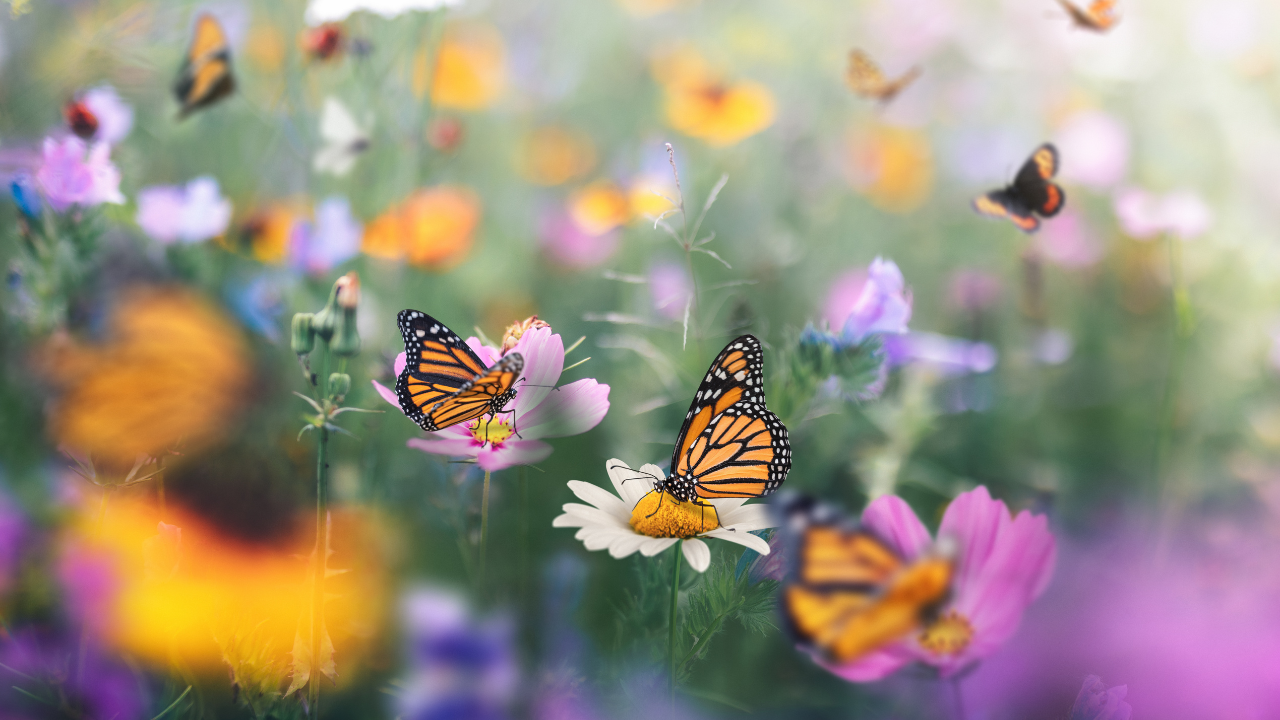
In 1988, the Karner blue butterfly was officially recorded in Ontario for the last time. Ever since, conservationists, environmental journalists, and nostalgia-driven naturalists have treated the species' disappearance as a tragic indictment of modern land development. They frame the lost butterfly as a pristine symbol of a wilderness we destroyed, wringing their hands over a single vanished insect while begging for multi-million-dollar reintroduction initiatives.
They are completely missing the point. Don't forget to check out our recent article on this related article.
The obsession with bringing back the Karner blue (Lycaeides melissa samuelis) is not just misguided environmentalism—it is an expensive fantasy rooted in a fundamental misunderstanding of ecology. The Karner blue did not vanish because Ontario suddenly became an ecological wasteland. It vanished because humans stopped disturbing the land in the exact, specific way the butterfly required to survive.
If we want to understand species loss, we need to stop treating ecosystems like static museum exhibits and start looking at the uncomfortable mechanics of habitat succession. To read more about the background here, USA Today offers an in-depth summary.
The Lazy Narrative of the "Vanished Beauty"
Standard reporting on the Karner blue follows a predictable, emotionally manipulative template. A writer highlights its miniature wingspan, its delicate violet-blue hue, and its tragic dependence on wild lupine (Lupinus perennis). The narrative usually blames urbanization, pesticide runoff, and general human greed for its demise.
That diagnosis is lazy, incomplete, and fundamentally flawed.
The Karner blue was never a stable, native resident of a vast, undisturbed Canadian wilderness. It was a disturbance-dependent specialist. It thrived exclusively in oak savannas and pine barrens—ecosystems that exist only in a perpetual state of stress and destruction.
Wild lupine, the sole food plant for the Karner blue caterpillar, cannot survive in a mature, shaded forest. It requires open canopy, sandy soil, and periodic fires to clear away competing vegetation. For centuries, regular wildfire regimes and intentional burning by Indigenous communities kept these ecosystems open.
When modern forestry and fire suppression took over mid-century, we didn't just suppress flames—we sealed the fate of the savanna. The forest canopy closed in. The lupines starved for sunlight. The Karner blue died off not because humans moved in, but because we stopped letting the landscape burn.
We Are Wasting Millions on Ecological Nostalgia
I have spent decades watching environmental groups funnel vast capital into charismatic target species while ignoring the baseline structural collapse of native habitats. The Karner blue has become a poster child for ecological guilt, soaking up mindshare and funding that would yield ten times the return if deployed elsewhere.
Consider the reality of reintroduction efforts. To sustain a self-generating Karner blue population in southern Ontario today, you cannot simply plant a patch of lupine in a public park and release laboratory-bred caterpillars. You must execute aggressive, continuous disturbance management.
That means:
- Controlled burns on high-value southern Ontario real estate.
- Mechanical clear-cutting of encroaching woody brush every few seasons.
- Strict isolation from agricultural lands heavily sprayed with broad-spectrum insecticides.
When you look at the real-world math, creating an isolated, artificial bubble for one delicate sub-species is an inefficient use of conservation capital. It is ecological theater. We build a high-maintenance terrarium to soothe our collective guilt, while the surrounding broader ecosystems degrade without notice.
Asking the Wrong Question: Is Extinction Always a Failure?
When people ask, "Can we bring the Karner blue back to Ontario?" they are asking the wrong question entirely. The real question is: "Why are we prioritizing the resurrection of a hyper-specialized sub-species over the protection of resilient, functional ecosystems?"
Ecology is dynamic, not stationary. Biomes shift. Climatic boundaries move. Species expand and contract their ranges over centuries. The Karner blue’s historic range in Ontario was always at the absolute northern fringe of its geographic boundary. Northern peripheral populations are inherently volatile, prone to local extirpation during micro-climatic shifts or severe weather events.
By hyper-focusing on the return of an extirpated fringe population, we fall into the trap of baseline shifts. We anchor our definition of "natural" to a specific arbitrary point in history—usually the mid-20th century—and declare any deviation from that baseline a catastrophe.
This approach ignores a brutal truth: an ecosystem that requires constant, high-cost human life-support to maintain a single species is no longer a natural ecosystem. It is a zoo without walls.
The Trade-Off Nobody Wants to Talk About
Every dollar spent trying to reconstruct a fragile 1980s oak savanna habitat for one specific butterfly is a dollar taken away from preserving contiguous, highly resilient wetlands, old-growth hardwood forests, and working agricultural corridors.
Let's look at the cold trade-offs:
- Habitat Fragmentation vs. Ecosystem Scale: Protecting a 50-hectare sand barren patch for Karner blues requires immense edge-management to prevent invasive species encroachment. Meanwhile, 500 hectares of contiguous wetland—which filter millions of liters of water and support hundreds of non-charismatic species—receive a fraction of the public interest because they lack a pretty insect to put on a fundraising poster.
- Species Preservation vs. Functional Resilience: A functional ecosystem is defined by its process, not its roster. Energy flow, nutrient cycling, and canopy dynamics matter far more than keeping a specific scientific name on a provincial species-at-risk list.
- The Chemical Reality: Southern Ontario is an agricultural powerhouse. The drift of systemic neonicotinoids and aerial insecticides across fragmented habitat boundaries makes long-term survival for delicate lepidopterans near-impossible without complete land conversion.
If we are serious about biodiversity, we must stop managing for nostalgia and start managing for function.
How to Fix Our Conservation Priorities
If we want to stop wasting resources on symbolic reintroduction projects and actually build ecological resilience, we need to alter our operating framework immediately.
1. Stop Managing for Single Species
Abandon single-species recovery plans for extirpated peripheral populations. Instead, fund regional habitat integrity. If an ecosystem is healthy, functional, and subject to natural disturbance regimes, species suited to those conditions will migrate and establish themselves naturally.
2. Embrace Controlled Burning, Not Just Plant Conservation
If you care about oak savannas and sand barrens, advocate for prescribed fire policies near urban zones. Planting wild lupine in your garden makes for a nice weekend project, but without high-intensity canopy clearing and soil disturbance, it does zero long-term good for savanna specialists.
3. Accept Range Shifts Without Despair
As global temperatures and rainfall patterns fluctuate, species will abandon historical ranges and move into new ones. The Karner blue may never belong in Ontario again, and that is fine. Resources are better spent securing northern migration corridors for species currently pushed out of their southern habitats than trying to pin a historic species back to a map it can no longer inhabit.
Stop mourning an insect that vanished four decades ago because we refused to let the woods burn. Start protecting the massive, unglamorous, highly functional ecosystems that are crumbling right now while everyone is busy looking for a blue butterfly.


