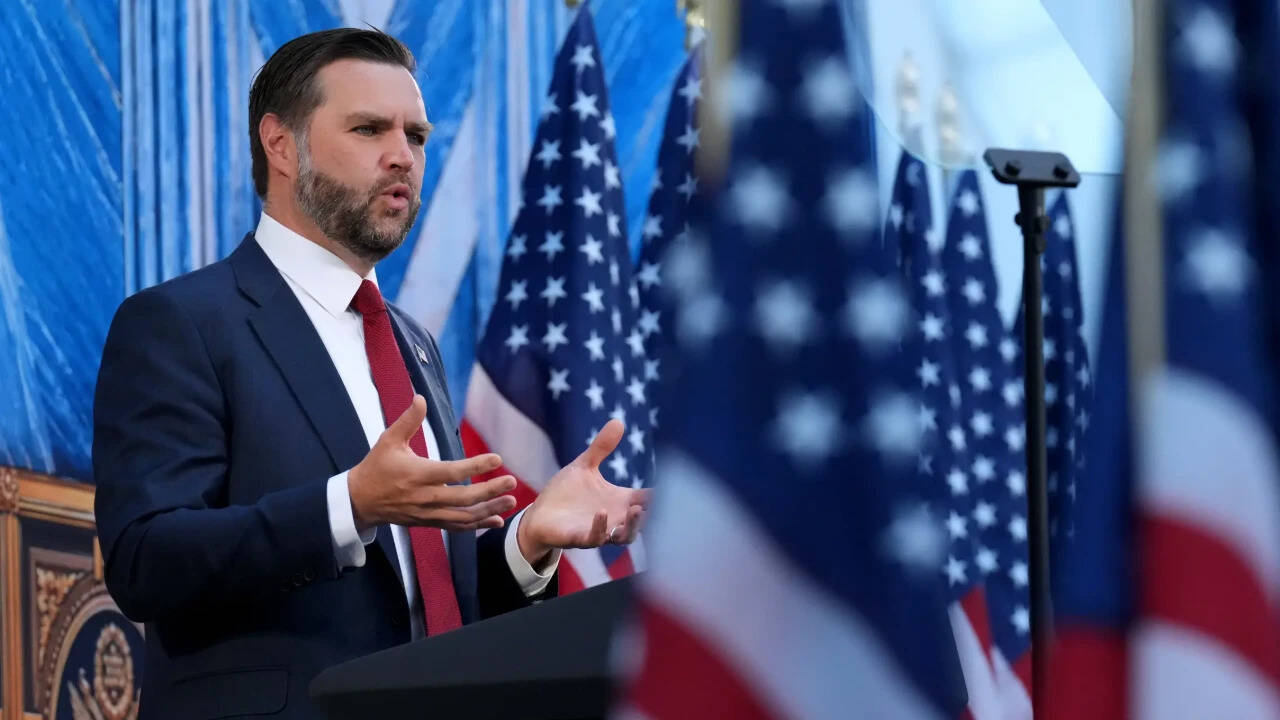
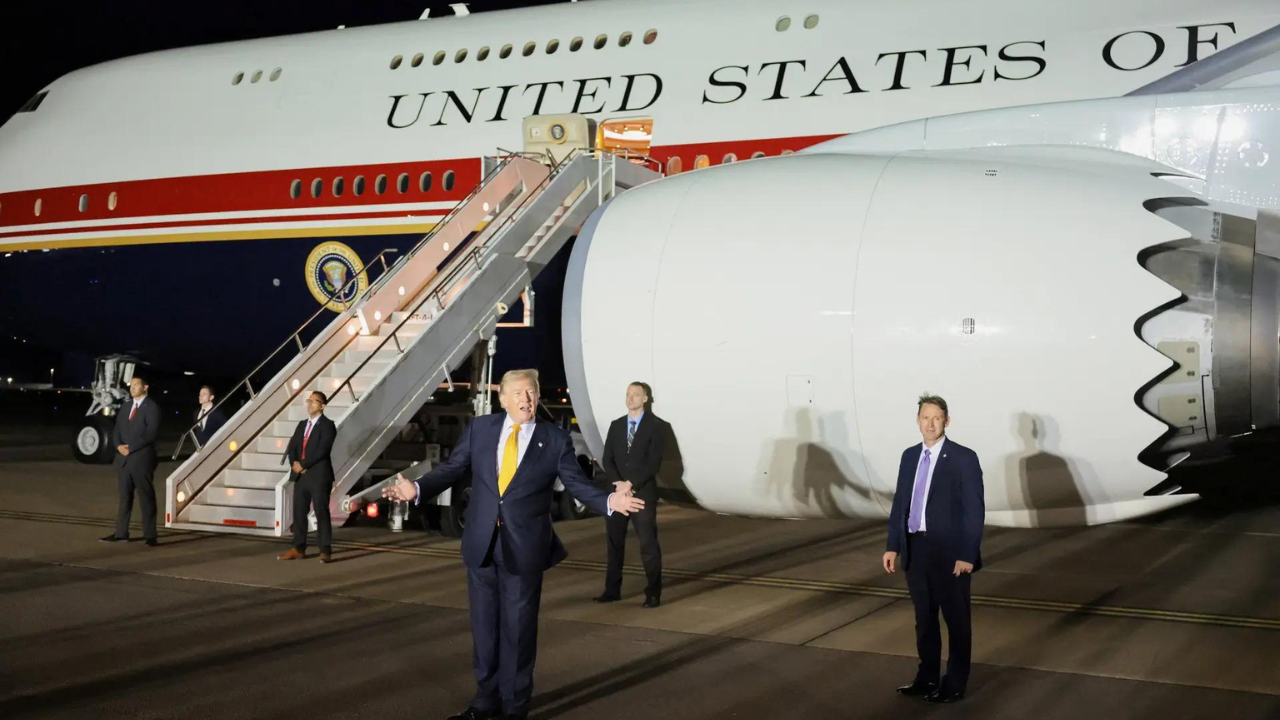
When Vice President JD Vance addressed reporters at the White House regarding reports that a US airstrike had flattened a wedding party in southern Iran, he offered a phrase that instantly ignited a firestorm. "Sometimes things happen."
It was a blunt dismissal wrapped in bureaucratic defense mechanisms. According to Iranian officials and independent reporting, a series of late-summer strikes along Iran’s southern coast left multiple civilians dead, including attendees at a celebration in Sirik. Rather than directly addressing the mounting casualty numbers or detailing the parameters of the engagement, Vance defaulted to a linguistic pattern deeply embedded in modern American foreign policy. He expressed extreme skepticism toward local accounts, insisted that the United States military never targets civilians, and brushed off collateral damage as an inevitable byproduct of combat.
This formula is not new. It is the go-to script for administrations of both political parties whenever high-tech munitions miss their intended targets or intelligence fails on the ground.
The Anatomy of the Pentagon Shrug
To understand why figures like Vance lean on dismissive phrasing during crises, you have to look at how military accountability operates in Washington. When a precision strike goes wrong, the immediate institutional reflex is defensive insulation.
- Deny or cast doubt on the source: Officials immediately question local state media or on-the-ground reporting, framing civilian accounts as hostile propaganda.
- Invoke moral exceptionalism: Leaders pivot quickly to the core assertion that American forces maintain ethical standards that adversaries like the Iranian Revolutionary Guard Corps supposedly lack.
- Sanitize the tragedy: Use passive, clinical phrasing to frame human loss as an abstract mechanical error rather than a catastrophic failure of targeting.
When Vance claimed that the United States "never targets civilians," he repeated a line heard from White House podiums for decades. Yet history shows a stark gap between that stated doctrine and the reality of prolonged air campaigns. From the Middle East to South Asia, structural reliance on remote air power routinely produces devastating civilian tolls.
The Cost of Dismissing Collateral Damage
Brushing off civilian deaths with fatalistic idioms does more than just shield an administration from immediate political fallout. It erodes trust and hardens regional opposition. When local populations see a wedding gathering destroyed and hear American leadership respond with a casual shrug, the message received on the ground is clear. Accountability becomes an internal memo rather than an open reckoning.
Vance also took time during the briefing to push back against reporters labeling the ongoing hostilities a war, insisting that major combat operations were inactive. This semantic sparring matches the broader strategy of downplaying escalations while commercial shipping lanes in the Strait of Hormuz remain under fire and regional proxies exchange blows.
If you are following the trajectory of modern conflicts, the pattern repeats itself with exhausting predictability. High-altitude operations create blind spots. Intelligence gets rushed. Strikes miss. And when the dust settles, spokespeople step up to explain that war is messy and that mistakes happen in the fog of combat. Until Washington swaps institutional deflection for transparent, verifiable accountability, phrases like the one Vance used will remain the standard eulogy for civilians caught in the crossfire.