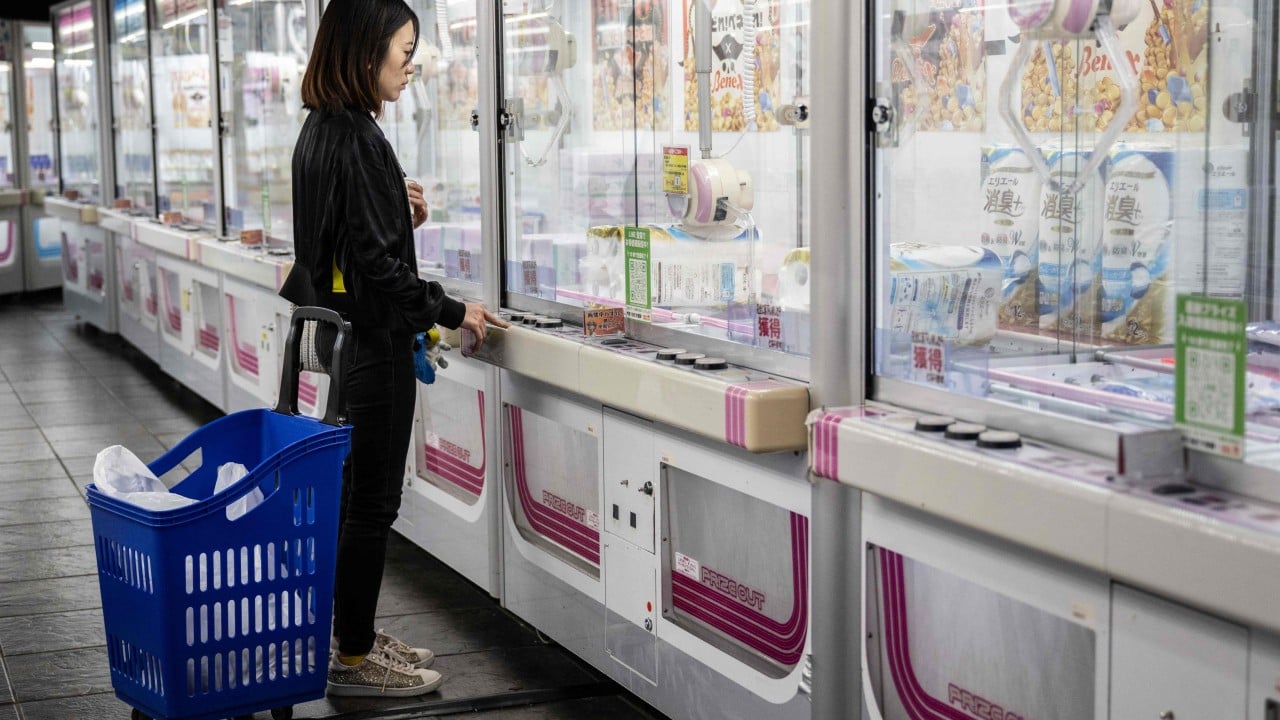
You walk past a glowing arcade in Tokyo. Instead of glowing plastic toys or plush anime characters hanging inside the glass box, you spot something entirely different. Real packs of bacon. Fresh heads of cabbage. Cans of tuna. Welcome to the modern Japanese arcade, where entertainment meets survival.
If you think claw machines are just for winning overpriced stuffed animals at carnivals, you are missing one of the biggest economic shifts happening right now. Prices are climbing across grocery stores globally. Wages aren't keeping up. In Japan, adults are skipping traditional entertainment districts and heading straight to game centers to win their weekly dinners.
Let's break down why everyday grocery claw machines became a massive trend and what it tells us about modern consumer habits.
The Economic Reality Behind the Arcade Catcher Craze
Inflation doesn't just hit bank accounts. It changes behavior. When the cost of living spikes, people look for ways to stretch every single yen. But human psychology is funny. We will gladly spend ten dollars on crane game attempts to win a four-dollar box of curry mix because the thrill alters the math in our brains.
Arcade operators spotted this shift early. Traditional prize suppliers noticed a drop in demand for standard novelty goods among adult demographics. Grown adults do not need another plush keychain. They do need cooking oil, rice, and fresh vegetables.
Arcade chains started stocking machines with everyday consumer goods. It sounds strange until you watch a salaryman meticulously line up a claw to secure a slab of pork belly. It is part gamble, part grocery run.
How Modern Claw Machines Changed to Fit Daily Needs
The mechanics of these machines underwent a quiet evolution. You cannot easily grab a slippery plastic bag of onions with a standard three-pronged crane. Arcade managers adjusted. They introduced specialized setups.
Some machines use rings attached to cardboard boxes where the claw slips underneath. Others rely on a pushing bar mechanism rather than a grabber. This reduces the frustration factor. If a player feels the game is entirely rigged, they walk away. By making grocery items slightly easier to win than traditional prizes, operators keep repeat customers coming back week after week.
You will find these setups clustered near train stations in urban centers like Osaka and Tokyo. Convenience is key. Workers commuting home step off the train, grab a basket, and try their luck at winning ingredients for dinner.
The Thrill of Winning Your Dinner
There is a distinct psychological rush when you beat a machine. Buying a carton of milk at the supermarket feels like a chore. Winning that same carton after spending three hundred yen feels like a mini victory against a tough week.
This gamification of grocery shopping turns a mundane expense into entertainment. Younger demographics, in particular, find traditional shopping boring or depressing when price tags keep ticking upward. Winning items through skill and timing injects a dose of excitement into household budgeting.
Of course, the math doesn't always favor the player. Spend too many coins, and that free cabbage suddenly costs as much as a luxury meal. But the draw remains powerful because it offers a moment of agency in an economic climate where people often feel powerless over rising costs.
What This Trend Means for the Future of Retail
We are watching the blurring lines between entertainment spaces and retail essential needs. When amusement facilities start functioning like alternative supermarkets, consumer culture has reached a fascinating inflection point.
Brands take notice, too. Food manufacturers occasionally partner with major amusement operators to showcase new product launches inside claw machines. It serves as interactive marketing. Instead of paying for a billboard, a company puts its instant ramen boxes inside a transparent box where hundreds of people will touch, eye, and maneuver them every single day.
You do not need to fly to Tokyo to see how inflation alters leisure habits. Whenever economic pressures mount, creativity follows. People find ways to make necessities fun, or at least bearable. The next time you walk past a row of arcade cabinets, take a closer look at the prizes inside. You might just spot your next grocery list.


