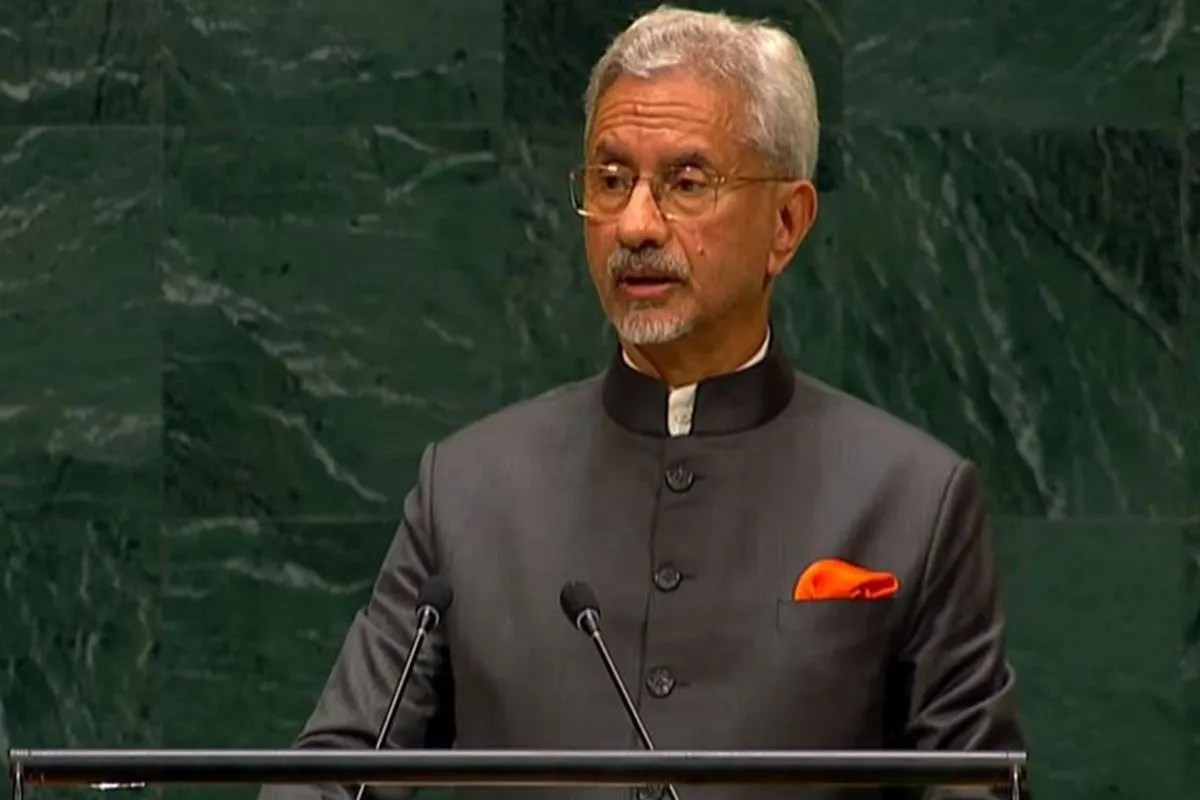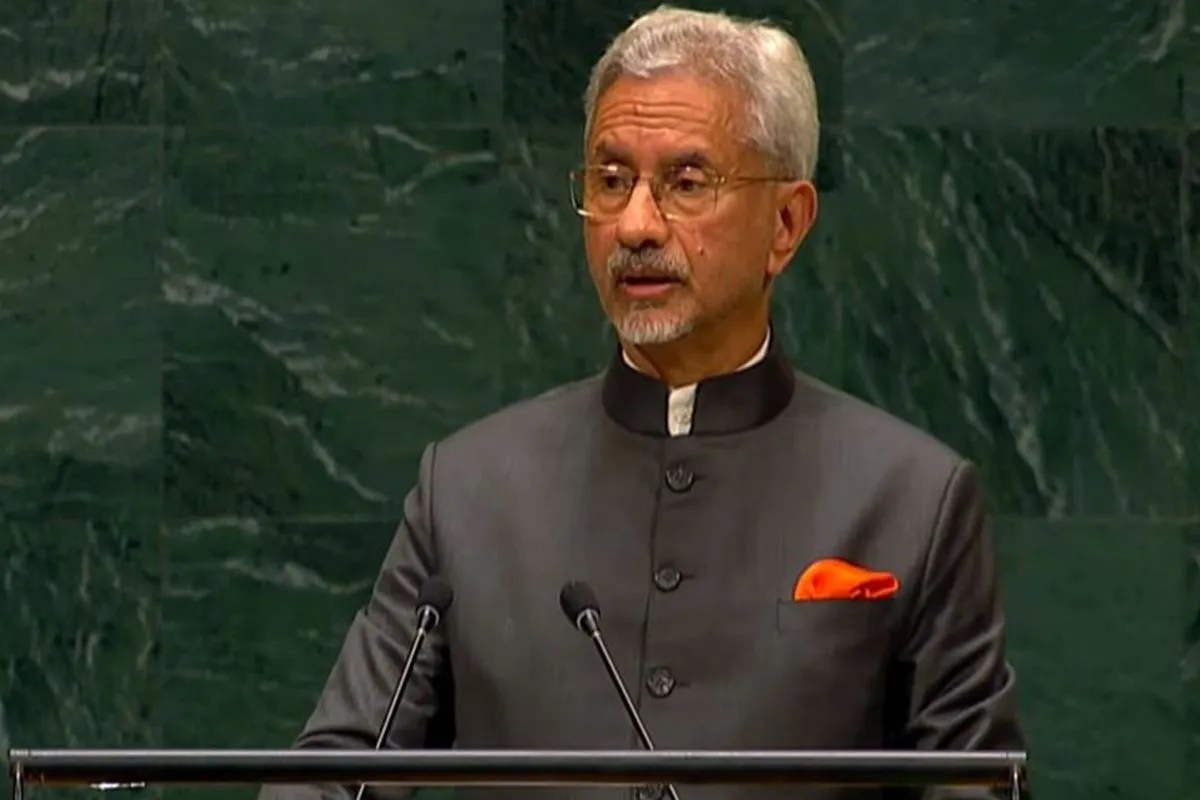
Indian External Affairs Minister S. Jaishankar stepped onto the United Nations General Assembly podium with a singular mandate. He had to address two overlapping global fractures that threaten to unravel international stability. The wars in Ukraine and the Middle East are not distant localized skirmishes. They are structural failures of a post-World War II order that no longer serves the majority of the world's population.
Within the first hundred words, the core message is unmistakable. India is charting an independent path through these crises. Jaishankar declared that this is not an era of war, reinforcing New Delhi's refusal to choose sides in a binary global conflict while demanding immediate ceasefires and diplomatic engagement. The diplomatic posturing from Western capitals has run aground against the harsh realities of energy security, food supply chains, and sovereign survival.
The Architecture of Double Standards
For decades, the global south has watched Western powers apply international law selectively. When conflict erupts in Europe, the international community mobilizes with unprecedented speed, freezing assets, drafting sweeping sanctions, and demanding universal alignment. Yet, when humanitarian catastrophes unfold in West Asia or Africa, the international response often devolves into procedural hand-wringing and diplomatic paralysis.
Jaishankar targeted this core contradiction without diplomatic obfuscation. The rules-based international order has become a convenient slogan deployed when it suits great power interests and ignored when it inconveniences allies.
Consider the energy markets. European nations demand that developing economies halt traditional fuel consumption to meet climate goals, yet the same European capitals pivot swiftly to alternative suppliers when their own heating supplies are jeopardized. This hypocrisy does not go unnoticed in New Delhi, Brasília, or Pretoria. Sovereignty cannot be a conditional luxury granted only to nations that vote in lockstep with Western security councils.
The war in Ukraine has transformed from a defense of territorial integrity into an economic war of attrition with global collateral damage. Fertilizer prices skyrocketed. Grain shipments stalled. Emerging economies bore the brunt of inflation spikes driven by decisions made in Washington, Brussels, and Moscow. India's official stance has been consistent. Dialogue and diplomacy remain the only viable exits from a war that has no military solution on the horizon.
The West Asian Powder Keg
Moving from the frozen steppes of Eastern Europe to the volatile landscape of West Asia reveals an even more dangerous diplomatic vacuum. The crisis involving Israel, Hamas, Lebanon, and regional proxies threatens to ignite a broader conflagration that will reshape global commerce and energy security permanently.
Western diplomacy in this theater has largely stalled. It is trapped between domestic political imperatives and decades of uncritical support for untenable status quos. Jaishankar emphasized that terrorism cannot be justified, but collective punishment and the systematic erosion of civilian life cannot be excused either.
The security architecture of West Asia requires a fundamental reset. For years, regional integration projects like the India-Middle East-Europe Economic Corridor (IMEC) offered a vision of prosperity anchored in trade and infrastructure rather than perpetual conflict. That vision has been violently disrupted. Yet, the underlying economic imperatives remain. Nations want ports, digital connectivity, and reliable supply chains. They do not want proxy wars fought on their doorsteps for the geopolitical vanity of external actors.
Diplomacy requires recognizing that security is indivisible. You cannot guarantee security for one nation by denying it to another.
Strategic Autonomy as a Global Good
Critics in Western policy circles frequently mistake India's strategic autonomy for opportunistic neutrality. They view New Delhi's oil purchases from Russia or its independent diplomatic engagements with Iran and Israel through a zero-sum lens. You are either with us or against us.
This mindset belongs to the twentieth century. Modern international relations are multi-vectored. India maintains a robust partnership with the United States through the Quad, secures defense technology transfers from France, manages a complex and tense border relationship with China, and sustains historical energy and diplomatic ties with Russia.
This is not a contradiction. It is the pragmatic reality of a multipolar world.
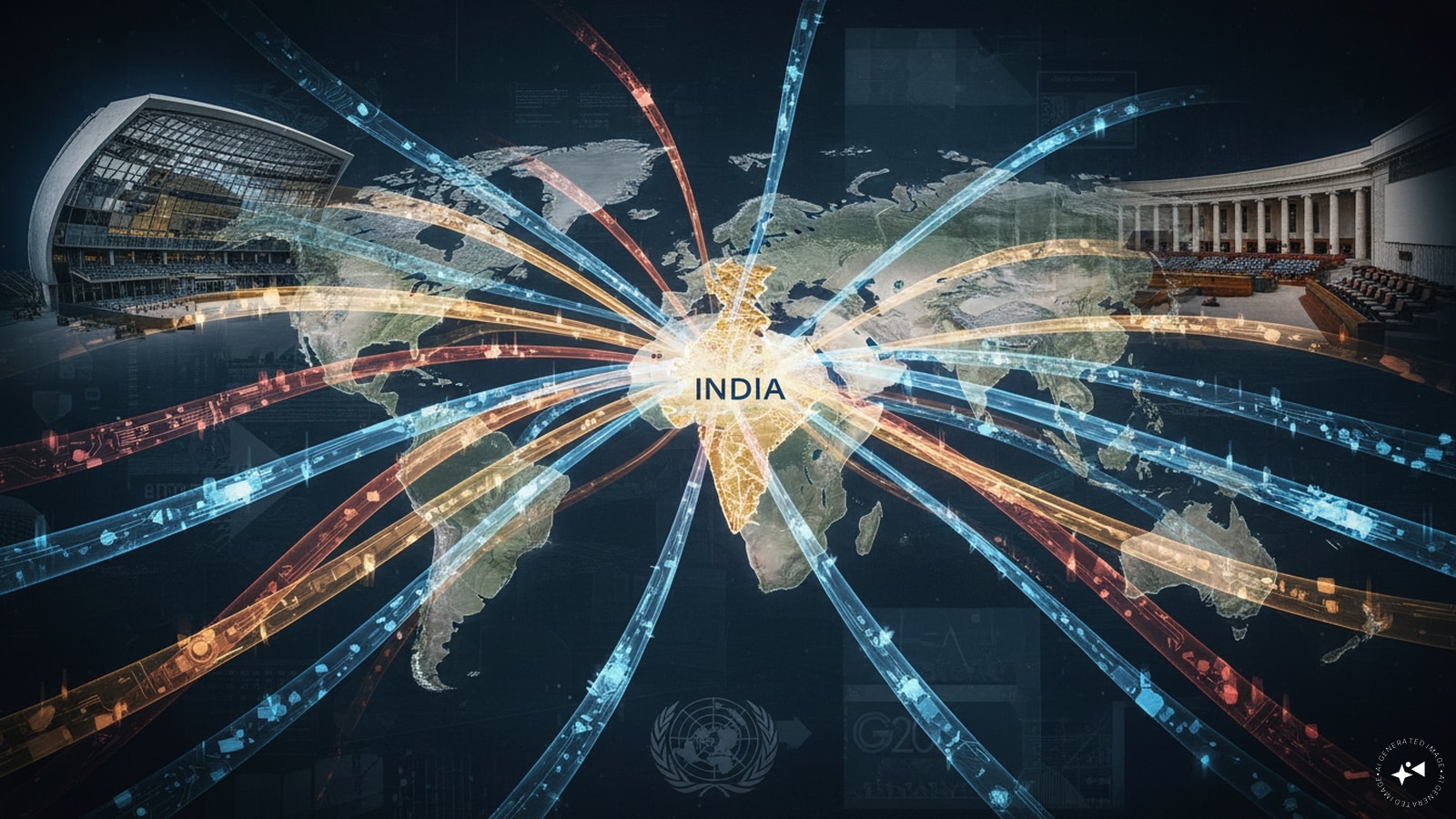
When Jaishankar speaks at the United Nations, he is not merely articulating Indian foreign policy. He is giving voice to dozens of middle powers that are tired of being treated as spectators in a game played by superpowers. The global institutional framework, from the UN Security Council to the Bretton Woods financial system, reflects the geopolitical balance of 1945. It is structurally incapable of addressing twenty-first-century threats like climate migration, weaponized supply chains, and asymmetric cyber warfare.
Reform is no longer a polite bureaucratic request. It is an existential necessity for the survival of multilateralism. If global institutions refuse to adapt, they will become irrelevant. Nations will bypass them entirely, carving out regional arrangements and bilateral pacts that render organizations like the United Nations as toothless as the League of Nations before it.
The diplomatic currents in New York revealed a widening chasm between rhetoric and reality. The speeches are delivered, the cameras roll, and the delegates applaud. But back home, millions of citizens in the developing world pay the price for a fractured global economy.
The path forward does not lie in more sanctions packages or endless rhetorical condemnation. It requires a return to hard-nosed, unglamorous diplomacy where adversaries sit across tables and negotiate compromises that leave everyone slightly dissatisfied but mutually secure. Until global leaders accept that peace requires compromise rather than total victory, the world will lurch from one crisis to the next, waiting for the structural collapse that everyone sees coming but few have the courage to prevent.