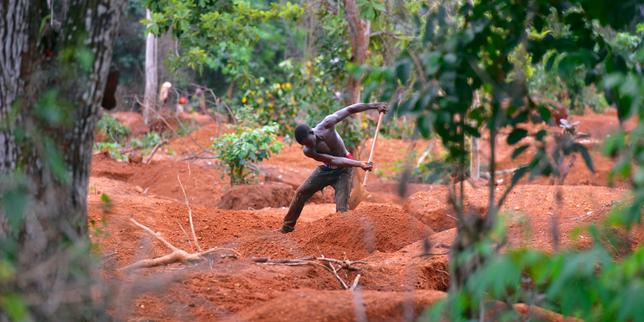
Illegal gold mining is choking the life out of rivers, destroying fertile agricultural land, and funding criminal syndicates across West Africa. In Ivory Coast, the government has finally drawn a hard line in the sand. Authorities have given informal miners exactly six months to pack up their equipment, shut down unauthorized operations, and clear out. It is a massive undertaking.
For years, unregulated extraction known locally as orpaillage clandestin has operated in a legal gray zone. Armed groups, corrupt officials, and desperate youth diving into muddy pits have turned valuable rural territory into environmental disaster areas. The state's new ultimatum means business. But setting a tight six-month deadline is one thing. Actually enforcing it on the ground requires breaking up entrenched criminal networks and offering real economic alternatives to thousands of people who rely on illicit digging just to survive. Building on this theme, you can also read: The Roads Out Of Silence.
The True Cost of Illegal Gold Pits
You cannot understand the urgency of this crackdown without looking at the environmental carnage left behind. Heavy machinery rips through protected forests. Mercury and cyanide wash directly into major river systems, poisoning drinking water for entire communities.
When you visit these sites, the scale of destruction shocks you. Entire hillsides are stripped bare. Stagnant pools of toxic water breed mosquitoes and disease. Farmers watch helplessly as their cocoa and cashew plantations are overrun by prospectors who pay zero taxes and care nothing about environmental restoration. Observers at The Washington Post have also weighed in on this trend.
The economic fallout hits the national treasury hard, too. Millions of ounces of gold leave the country illegally every year through smuggling rings stretching from rural camps to international markets. Ivory Coast loses billions in potential tax revenue that should be building schools, paving roads, and funding public health programs.
Why Past Crackdowns Failed
Governments across the region have tried rounding up illegal miners before. Soldiers burn makeshift camps, seize rudimentary washing equipment, and arrest a few dozen low-level workers.
Then the soldiers leave. Within weeks, the miners return.
This cycle repeats because enforcement without economic substitution is a temporary band-aid on a gushing wound. If a young man in a rural village has zero job prospects and can make more in a week panning for gold than a farmer makes in a season of harvesting cocoa, he will take the risk. Police raids alone won't change that math.
To make this six-month ultimatum stick, Abidjan needs to pair law enforcement with aggressive job creation programs and formalization pathways for artisanal miners who want to work legally within regulated cooperatives.
What Happens When the Clock Runs Out
The pressure is on the Ministry of Mines, Petroleum and Energy to deliver results before the six-month window closes. Local authorities are setting up task forces, deploying security personnel to hot spots, and launching public awareness campaigns warning operators of heavy prison sentences and asset seizures.
Yet the real test lies in the remote forest reserves and along porous borders where foreign actors and local elites finance heavy hydraulic excavators. Cracking down on poor local youth is easy. Targeting the wealthy financiers behind the scenes is where the real political will is tested.
If you are following West African resource politics, this campaign is a critical litmus test. Success will reclaim vital ecosystems and bring billions back into the formal economy. Failure will cement illegal mining as an unchallengeable parallel state. The countdown has begun, and everyone is watching to see if the government bluffs or follows through.