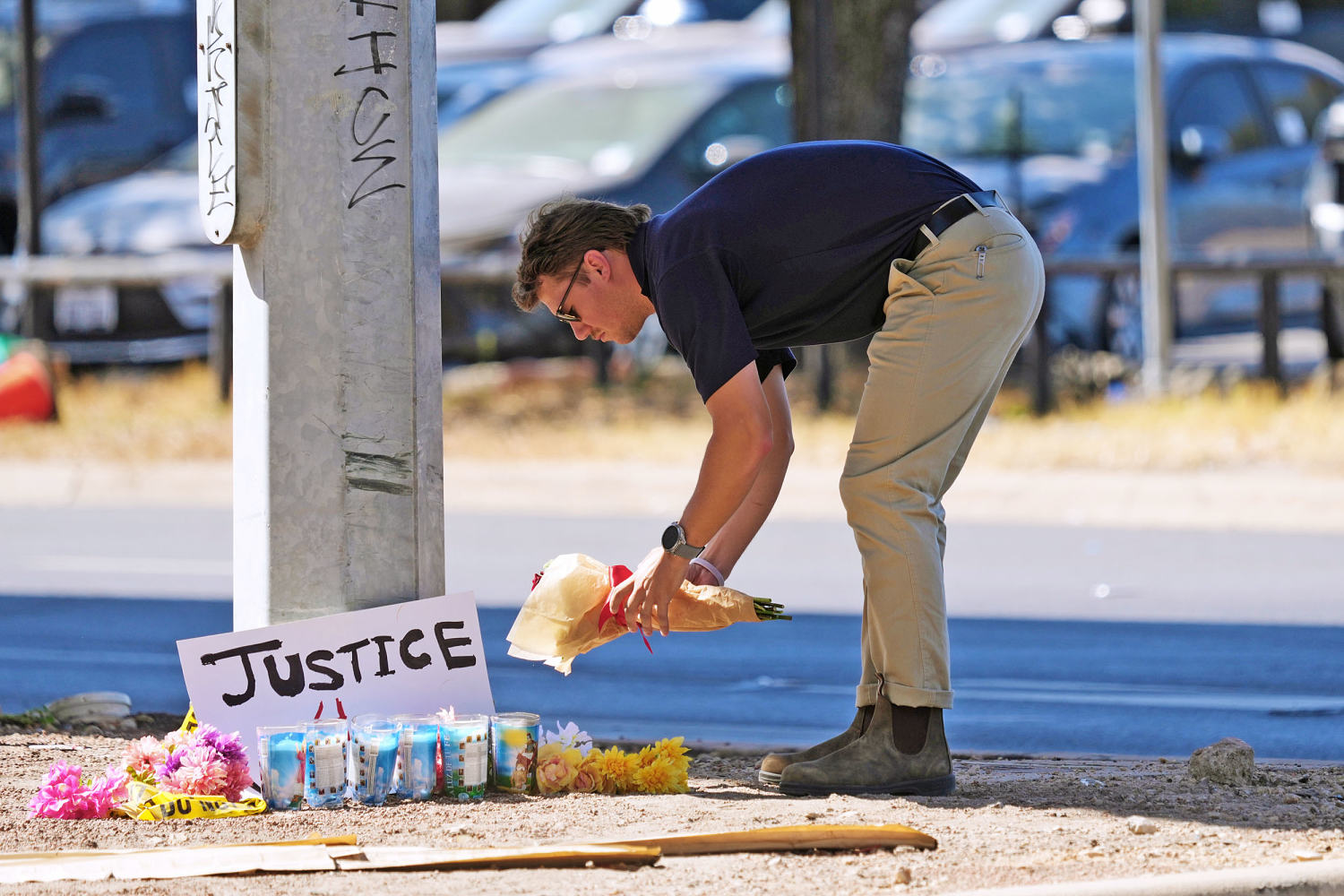
When an officer issued a body cam shoots a civilian and leaves the camera behind, the resulting investigation runs straight into a wall of missing evidence. In Austin, a shooting involving an Immigration and Customs Enforcement officer exposed a recurring structural flaw in federal and local enforcement operations. Having hardware in inventory does not equal having video in evidence. Equipment sits in lockers, charges on docks, or stays clipped to a different vest while high-risk encounters unfold without an independent visual record.
Public outrage usually spikes around the moment a camera goes missing. Experienced investigators know the deeper problem starts much earlier. It lives in policy loopholes, uneven field discipline, fragmented chain-of-custody habits, and the quiet friction between speed and accountability in high-stakes enforcement.
Why Issued Gear Fails When Shots Are Fired
A camera on a purchase order looks like progress on a budget spreadsheet. Out on the street, hardware only works when habits, batteries, mounting points, and operational rules line up under pressure.
Law enforcement agencies across the country have spent years buying wearable cameras to settle disputes over use of force. Yet gaps keep appearing whenever an encounter moves faster than routine patrol habits. An officer might step out of a vehicle for what looks like a quick check rather than a tactical operation. Another might switch uniforms, grab a spare rig, or rush to assist colleagues already on scene.
Those seconds add up. A missing camera turns a straightforward evidentiary review into an argument over memory, angle, and intent. Witnesses disagree on sightlines. Bystander phones capture partial frames from fifty feet away. Without a chest-mounted or shoulder-mounted recording, investigators have to reconstruct a split-second decision from competing accounts and physical traces.
Consider a hypothetical example to see how easily a recording gap happens during fast-moving enforcement. Suppose two agents conduct a targeted stop that shifts abruptly from routine questioning to a physical struggle and gunfire. One agent wears a camera that is powered on and aligned; the second agent was assigned a unit earlier in the week but left it charging at the office because the shift started with an urgent callout. When the shooting happens, the record is immediately lopsided. One perspective has digital timestamps and audio; the other relies on post-incident statements written hours later.
Hypothetical scenarios clarify the mechanics, though real accountability depends on verifiable facts rather than assumptions. Whenever a shooting occurs without an active camera on the shooter, two separate questions demand answers. First, why was the device not worn at that exact moment? Second, what administrative or operational rules allowed the officer to operate unrecorded?
Policy Gaps Between Paper and Pavement
Written directives rarely match the messy reality of field work. Many agencies draft sweeping mandates that sound airtight in a press release while leaving wide gray areas in daily practice.
Policies often hinge on definitions like "enforcement action," "pre-planned operation," or "exigent circumstances." Ambiguity creates hesitation. If an officer believes a moment is brief, informal, or purely defensive, the threshold for activating or even donning a camera can feel blurry. Worse, inconsistent enforcement of equipment rules teaches personnel that wearing a camera is optional rather than foundational.
Oversight gets even trickier when federal agents operate alongside municipal departments or local task forces. Different agencies follow different retention rules, hardware vendors, upload protocols, and discipline standards. When jurisdictions overlap in a city like Austin, confusion over whose rulebook governs a given moment can turn accountability into a jurisdictional tug-of-war.
The Anatomy of an Unrecorded Shooting
Every use-of-force inquiry rests on a simple standard. Public trust requires proof that matches the gravity of the outcome.
When gunfire enters the picture, stakes rise immediately. A shooting is not a routine traffic stop or a minor citation. It is a life-altering event that reshapes families, strains community relations, and tests the credibility of every institution involved in reviewing it.
Without footage from the officer who fired, scrutiny shifts toward everything else in the file. Investigators examine shell casings, ballistics, vehicle positions, dispatch audio, medical timelines, and any nearby surveillance or civilian video. Every piece of peripheral evidence carries heavier weight because the most direct vantage point is absent.
That vacuum breeds suspicion. Even when investigators work methodically, critics and residents naturally ask what else might have been captured if the issued body cam had been worn and recording. Silence on video speaks loudly in modern policing.
Credibility Erosion in High-Stakes Encounters
Trust is slow to build and fast to break. Once people hear that an officer had access to a camera and still did not have it on during a shooting, skepticism hardens across the board.
Supporters of strict enforcement often argue that officers face chaotic, split-second threats that armchair critics never experience. Fair enough. Split-second threats are real, and danger does not wait for a neat briefing. Still, the presence of a working camera protects careful, lawful conduct just as much as it exposes misconduct.
When a camera is missing, nobody gets the full benefit of objective context. An officer who acted under genuine, immediate threat loses clear visual proof of what the subject did in the final two seconds. Meanwhile, a community already wary of federal immigration enforcement sees a pattern of opacity rather than transparency.
The Burden on Independent Investigators
Missing footage makes life harder for everyone tasked with finding out what happened. Internal affairs units, civilian oversight boards, prosecutors, and independent reviewers all face the same limitation. You cannot review video that was never captured.
Reviewers have to weigh conflicting statements carefully without defaulting to either cynicism or blind deference. That takes time, patience, and disciplined forensic work. It also highlights why equipment compliance cannot be treated as a minor clerical detail. If a camera is part of the standard kit, failing to wear it undermines the entire evidentiary chain before a single witness is interviewed.
What Agencies Get Wrong About Accountability
Many institutions treat missing video as an unfortunate fluke rather than a management failure. That mindset keeps the cycle going.
Buying devices is the easy part of modernizing enforcement. Building a culture where wearing and activating a camera is second nature requires leadership, training, and follow-through. If supervisors rarely check whether gear is worn at roll call, or if equipment non-compliance carries no meaningful consequence, behavior drifts toward convenience.
Technology alone cannot fix human shortcuts. A body cam is only as reliable as the routine behind it. If an officer forgets it at a desk, leaves it dead in a charger, or skips putting it on before stepping into a dynamic situation, the hardware becomes dead weight.
Training Versus Tactical Reality
Training rooms are calm. Streets are not.
In scenario training, instructors tell recruits to turn on cameras early and keep them secure. Out in the field, adrenaline narrows focus. Hands move to radios, doors, restraints, or weapons. If wearing the camera feels awkward, heavy, poorly balanced, or disconnected from how an officer actually moves, compliance drops when pressure rises.
Good equipment design and realistic drills bridge that gap. When mounting gear is comfortable and activation is simple, wearing the device becomes automatic rather than an extra chore. When gear is clunky or rules are vague, corners get cut right when accuracy matters most.
The Oversight Blind Spot
Oversight often wakes up only after a crisis hits the headlines. Routine audits of camera usage rarely get the same attention as high-profile shootings.
Yet routine audits are where patterns show up first. Checking whether issued cameras were actually worn during shifts, whether batteries held up across full rotations, and whether officers followed activation rules during routine stops reveals weak spots before tragedy strikes. Waiting until someone gets shot to notice a camera was left behind is backwards.
Practical Fixes That Actually Move the Needle
Fixing camera failures does not require grand speeches. It takes practical operational discipline and clear accountability.
First, agencies need unambiguous rules on when gear must be worn and activated. Exceptions should be narrow, specific, and documented rather than left to loose personal judgment. If an officer is issued a body cam for field duty, wearing it should be the baseline expectation from start of shift to end of shift.
Second, supervisors need simple pre-shift and post-shift checks. A quick visual check at deployment and a dock check at the end of a shift catch dead batteries, missing units, and damaged mounts early. Those habits take minutes and prevent major headaches later.
Third, leadership must treat unrecorded use of force with serious, consistent review. Not every missing recording involves bad intent. Sometimes hardware malfunctions or a sudden ambush leaves no time to adjust gear. Still, reviewing why a camera was absent—and holding personnel accountable when basic protocols were ignored—signals that transparency is non-negotiable.
Public confidence depends on what institutions do when things go wrong. A shooting without an issued body cam is a warning sign that standards slipped when they mattered most. Demand clear answers on equipment rules, verify how field compliance is tracked, and push for consistent accountability before the next call turns into gunfire.