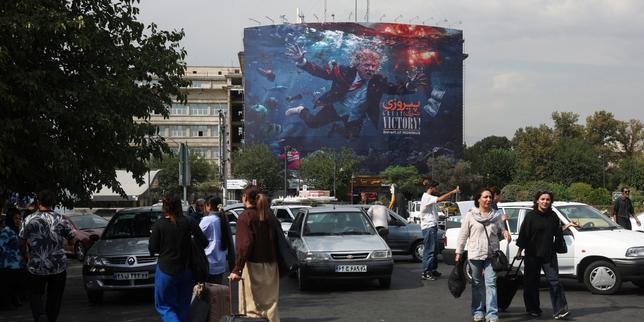
Tehran isn't backing down. As the United States prepares an aggressive wave of financial restrictions dubbed an "economic D-Day," Iranian officials have issued a stark warning to any international government or business thinking about playing along.
If you support Washington's trade restrictions, Tehran views you as an active participant in an economic war. And there will be consequences.
Foreign Ministry spokesman Esmaeil Baghaei made it clear during a press briefing that cooperating with American pressure campaigns against the Islamic Republic carries real diplomatic and commercial blowback. This escalation comes right as Treasury Secretary Scott Bessent rolls out some of the heaviest financial isolation measures in modern history, aiming to sever remaining trade lifelines and choke off the Iranian economy.
The Real Stakes Behind the Economic Offensive
Washington wants total financial isolation for Tehran. The strategy relies heavily on forcing global allies, major energy importers, and regional trading hubs to choose sides. Either you cut ties with Iran's remaining commercial networks, or you risk facing secondary measures from the United States.
Iran's Supreme National Security Council has responded with equal intensity. Senior officials argue that any nation actively helping enforce or comply with these restrictions crosses a line from neutral observer to hostile actor. Tehran has threatened severe retaliation, pointing to its ability to disrupt vital energy transit through the Persian Gulf and the Strait of Hormuz if the pressure doesn't let up.
This creates an impossible squeeze for international markets. Global energy prices react violently to every twist in this standoff, and shipping lines face mounting operational risks.
Why Global Powers Are Sticking to Their Guns
Washington is putting intense pressure on major economies—especially China, which buys the vast majority of Iran's seaborne oil exports—to fall in line. Yet compliance is far from guaranteed. Beijing and other trading partners have routinely pushed back against unilateral American mandates, arguing that sanctions do nothing to fix underlying diplomatic issues.
Iran has spent decades operating under heavy international restrictions. Because of this long-term exposure, policymakers in Tehran believe their economy has a higher endurance threshold than Washington assumes. Instead of forcing a quick capitulation, aggressive financial isolation often drives targeted nations deeper into alternative shadow banking systems, non-dollar trade agreements, and clandestine oil-smuggling networks.
Navigating this climate requires keeping a close eye on enforcement timelines and shipping compliance. If your business touches Middle Eastern energy logistics or international trade finance, expect tighter scrutiny immediately. Evaluate your exposure now before secondary penalties take effect.