When the supply chains carrying life-saving therapeutics break down, the human cost is immediate and severe. Across Iran, chronic shortages of essential pharmaceuticals have escalated sharply, driven by a toxic mix of ongoing regional conflict, severe shipping restrictions, currency devaluation, and financial hurdles that block raw material imports. While international trade rules formally exempt medicines from broad trade blockades, the reality on the ground tells a radically different story.
The Anatomy of an Import Crisis
Modern drug manufacturing requires an intricate, globalized web of active pharmaceutical ingredients (APIs), chemical intermediates, and specialized packaging materials. Iran’s domestic pharmaceutical industry historically supplied a vast majority of the nation's routine prescription needs. However, this domestic infrastructure heavily depends on imported raw materials—frequently sourced from manufacturing powerhouses like India and China.
When maritime shipping lanes face severe disruption, regional conflicts flare up, and transport costs skyrocket, the importation of these vital inputs grinds to a halt. Shipping lines navigating volatile waters demand exorbitant risk premiums, and air freight rates have surged dramatically. For domestic Iranian drug manufacturers operating on thin margins, absorbing these multiplied logistics costs is virtually impossible without steep price hikes or complete production shutdowns.
Financial Barriers and the Banking Bottleneck
Logistical blockades are only half the battle. International banking restrictions and the tightening of financial sanctions have severely isolated Iran from mainstream global financial networks. Even when international suppliers are willing to export medicines or raw materials under humanitarian exemptions, executing standard commercial transactions becomes an administrative nightmare.
Foreign banks often refuse to process payments involving Iranian entities due to strict compliance fears and secondary sanctions risks. Consequently, importers are routinely forced to secure alternative, high-risk financial channels or pay cash upfront for critical shipments. This liquidity squeeze restricts the volume of drugs that can enter the country at any given time, leaving distribution networks starved of inventory.
The Human Toll on Vulnerable Patients
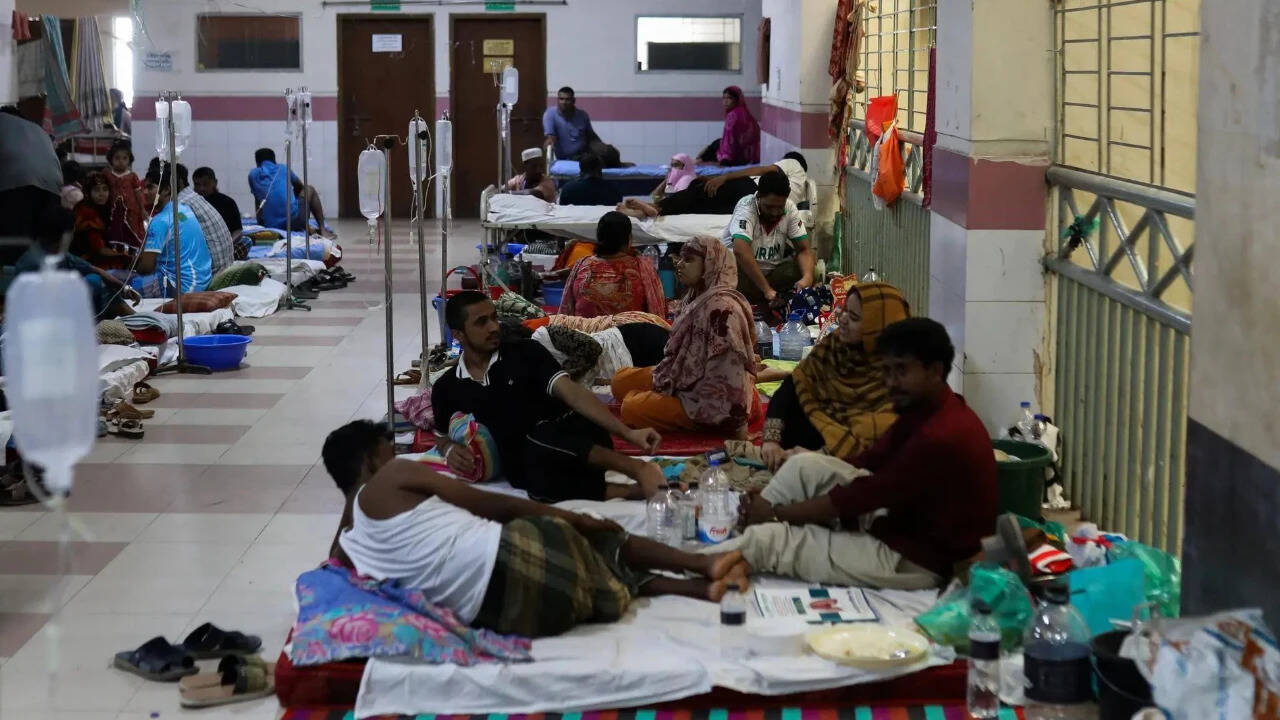
The ultimate burden of these combined pressures falls squarely on ordinary citizens managing chronic or life-threatening conditions. Pharmacies across major urban centers report severe shortages of specialized treatments, ranging from insulin for diabetic patients to vital oncology drugs and anti-rejection medications for organ transplant recipients.
As legitimate stocks dwindle, desperate patients are forced into an unregulated parallel market. Counterfeit or substandard drugs frequently fill the void, introducing massive health risks to populations already vulnerable. Furthermore, rampant inflation and currency depreciation mean that even when essential medicines are physically available on pharmacy shelves, the out-of-pocket costs have climbed far beyond the financial reach of average households.
Lessons for Global Supply Chain Resilience
The pharmaceutical crisis unfolding in Iran serves as an alarming case study for the wider international community. It underscores how geopolitical instability and localized trade chokepoints can rapidly fracture global healthcare delivery. Policymakers and public health experts face an urgent challenge: finding ways to insulate humanitarian medical supplies from geopolitical conflict. Until structural reforms protect the flow of APIs and financial clearing mechanisms for essential health goods, regional disruptions will continue to trigger profound human suffering far beyond initial conflict zones.