World leaders aren't just watching the headlines anymore. They're picking sides in a high-stakes ideological battle that stretches from the halls of the Vatican to the heart of Tehran. When Pope Leo spoke out against the aggressive posturing of Donald Trump regarding the US-Iran conflict, he didn't just ruffle feathers in Washington. He gained an unexpected, vocal ally in Mohammad Bagher Ghalibaf and the Iranian leadership.
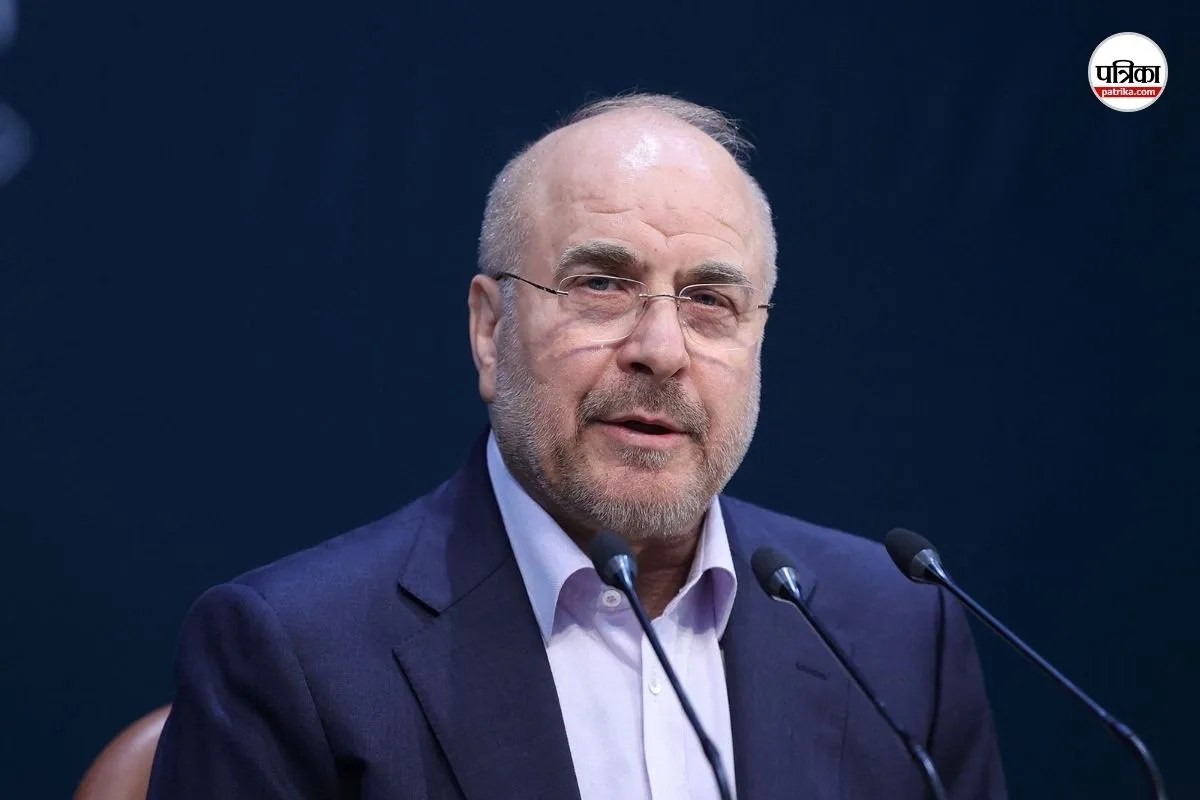
Ghalibaf, the Speaker of the Iranian Parliament, hasn't been shy about his feelings. He recently called the Pope’s stance a "brave and fearless" defense of human rights and global peace. It’s a strange sight for some—a top Islamic Republic official praising the head of the Catholic Church. But in the messy reality of modern geopolitics, common enemies make for fast friends.
The tension between the United States and Iran has been simmering for years. It’s a cycle of sanctions, rhetoric, and military threats. When a religious figure as influential as Pope Leo enters the fray to criticize American policy, it changes the weight of the conversation. It moves the needle from a purely political dispute to a moral one.
Why Ghalibaf Thinks the Pope is Right
Iran's leadership sees the Pope’s comments as a validation of their own long-standing grievances. Ghalibaf pointed out that the Pope’s refusal to stay silent in the face of what he calls "Trump’s bullying" is a sign that the Western world isn't a monolith. For Tehran, this is a PR goldmine.
It’s about more than just a quote. Ghalibaf emphasized that the "fearless position" taken by the Pope reflects a shared concern for the oppressed. In the Iranian narrative, they are the ones being oppressed by unilateral sanctions and the threat of war. When the Pope speaks against escalation, he’s essentially echoing the talking points that Iranian diplomats have pushed at the UN for decades.
You have to look at the timing. We're seeing a world where traditional alliances are shifting. Iran wants to show it’s not isolated. By aligning themselves with a global moral authority like the Pope, they're trying to signal to the world that it’s the US—specifically under Trump’s influence—that is the outlier, not them.
The Impact of Religious Diplomacy on the US-Iran War
Religion and politics are inseparable in this region. You can't talk about Iran without talking about faith, and you can't talk about global influence without the Vatican. When Pope Leo speaks, billions of people listen. Trump knows this. Ghalibaf knows this.
The Pope’s criticism focused on the potential for a catastrophic war that would devastate millions of lives. He’s argued that dialogue is the only path forward, a sentiment that clashes directly with the "maximum pressure" campaign often associated with Trump’s administration. Ghalibaf’s public support for these statements is a strategic move to peel away European and South American support for US policies.
The Power of the Moral High Ground
- Global Optics: Iran uses the Pope’s words to frame themselves as the reasonable party.
- Internal Stability: Ghalibaf uses this international "win" to show the Iranian public that their government has global respect.
- Dividing the West: These statements create friction between the US and its Catholic allies in Europe.
It’s honestly a brilliant move by Ghalibaf. He’s leveraging a Christian leader to justify the actions of an Islamic state. It makes the conflict look less like a "Clash of Civilizations" and more like a struggle between those who want peace and those who want war.
What Trump Supporters Get Wrong About This Alliance
Critics of the Pope’s stance argue that he’s being "naive" or "played" by Iranian propaganda. They point to Iran’s own record on human rights and its role in regional proxy wars. From their perspective, Trump isn't a warmonger but a realist trying to contain a dangerous regime.
But this view misses the point of the Pope’s intervention. He isn't endorsing the Iranian government’s every move. He’s condemning the method of conflict. Ghalibaf, however, doesn't care about the nuance. He only cares about the headline. For him, the Pope’s stance is a shield. It’s a way to tell the world, "Look, even the Pope thinks the Americans are wrong."
This creates a massive headache for US diplomats. How do you argue against a message of peace coming from the Vatican? You don't. You try to pivot. But Ghalibaf isn't letting them pivot. He’s doubling down on the "fearless" narrative, making it harder for the US to build a coalition for further sanctions or military action.
The Reality of Ghalibaf Influence in Tehran
Mohammad Bagher Ghalibaf isn't just some random politician. He’s a former commander in the Revolutionary Guard and a perennial figure in the Iranian power structure. When he speaks, he’s speaking for a significant portion of the security establishment.
His praise for the Pope indicates a shift toward a more sophisticated "soft power" approach. In the past, Iran might have just burned flags. Now, they're citing the Pope. It’s a sign of a maturing diplomatic strategy that understands how to use Western institutions against Western policies.
Moving Toward a More Complex Understanding
Don't expect a Vatican-Tehran alliance to solve the Middle East's problems overnight. The differences are too deep. But this moment matters because it breaks the binary way we usually look at the US-Iran war. It’s not just two governments shouting at each other. It’s a multifaceted global debate involving moral leaders, legislators, and billions of observers.
If you’re trying to understand where this is going, stop looking only at the military movements. Start looking at the rhetoric. Ghalibaf’s move to embrace the Pope’s stance is a clear signal that Iran is looking for allies in unexpected places. They're playing a long game.
Keep an eye on how the White House responds to these religious interjections. If they ignore them, they risk losing the moral narrative. If they fight back, they risk looking like they're attacking a global symbol of peace. It's a lose-lose situation for the "maximum pressure" crowd, and Ghalibaf is clearly enjoying every minute of it.
Start tracking the official statements from the Iranian Ministry of Foreign Affairs alongside the Vatican’s daily bulletins. You’ll see the overlap. It’s the best way to predict the next shift in this ongoing cold war. Focus on the language of "universal rights" and "sovereignty" that both sides are now using to box in US policy. That's where the real battle is being fought today.