A Quiet Morning Broken
The fork pauses halfway to Sarah’s mouth. It is a bright Tuesday afternoon in July, and she is sitting at her kitchen table enjoying a bowl of crisp, fresh cilantro and berry salad. It looks pristine. Vibrant greens, plump red fruit, washed thoroughly under cold running water. It feels like the picture of health.
Three weeks later, Sarah cannot leave her bathroom.
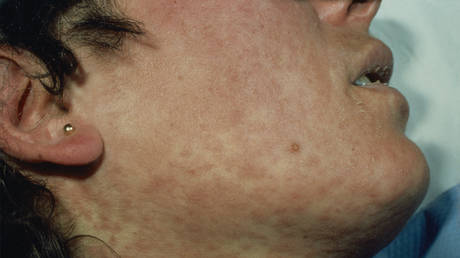
What starts as a dull, gnawing ache in her abdomen quickly spirals into explosive, relentless fatigue and severe digestive distress. Days blur into a dizzying cycle of cramps, nausea, and rapid weight loss. Her doctor runs standard tests for common foodborne bacteria like Salmonella and E. coli, but the results come back stubbornly negative.
Sarah is not alone. Across four different states, dozens of people who have never met are enduring the exact same agonizing symptoms. They are all victims of a microscopic intruder that should not, by any logical standard of modern sanitation, be anywhere near a grocery store shelf.
The culprit is Cyclospora cayetanensis.
It is a single-celled parasite with a single, uncompromising route of transmission. It lives, reproduces, and spreads through human feces.
So how on earth did human sewage end up on fresh produce harvested thousands of miles away?
The Biological Clock of a Contaminant
To understand how this organism invades our food supply, you have to understand its strange, patient biology.
Imagine a microscopic egg—an oocyst—shed in human waste. If a person infected with Cyclospora uses an outdoor pit or if raw sewage overflows into a waterway, millions of these microscopic eggs enter the environment.
Here is the twist that confounds quick diagnosis: fresh Cyclospora oocysts are not immediately infectious.
If someone directly touches contaminated fresh waste, they actually cannot catch the parasite right away. The organism requires time. It needs days, sometimes weeks, sitting in warm, moist environmental conditions to mature—a process called sporulation. During this window, the parasite slowly transforms inside its hard outer shell, waiting for the right moment to awaken.
This biological delay turns the parasite into a ghost. By the time a patient like Sarah develops symptoms, weeks have passed since the initial contamination. The salad she ate is long gone from store shelves. The leftover ingredients have been thrown away. Tracing the path backward becomes a formidable game of scientific detective work.
The Secret Route from Field to Fork
How does human waste make contact with thousands of acres of commercial agricultural land?
The answer lies in the complex, sprawling supply chains that keep our supermarket produce aisles stocked year-round with out-of-season fruits and vegetables.
Consider a hypothetical farm nestled in a warm, foreign valley where fresh basil or snow peas are grown during the northern hemisphere's winter months. The field stretches as far as the eye can see. To nourish these crops, millions of gallons of water must be pumped daily from nearby rivers or open-air reservoirs.
If an informal settlement upstream lacks municipal wastewater treatment, heavy rains can wash untreated human waste directly into the river system. That contaminated river water is then sprayed through overhead irrigation sprinklers directly onto the delicate leaves and stems of growing crops.
Water evaporates under the sun. The parasite remains.
Sticky, resilient, and sheltered in tiny crevices of leafy greens or rough berry skins, the sporulated oocysts cling tight. Standard washing with cold water—the kind performed in a home kitchen—is often not enough to dislodge them. Chlorine washes used in industrial processing plants reduce bacterial loads effectively, but Cyclospora possesses a tough, protective outer wall that resists standard chemical sanitizers.
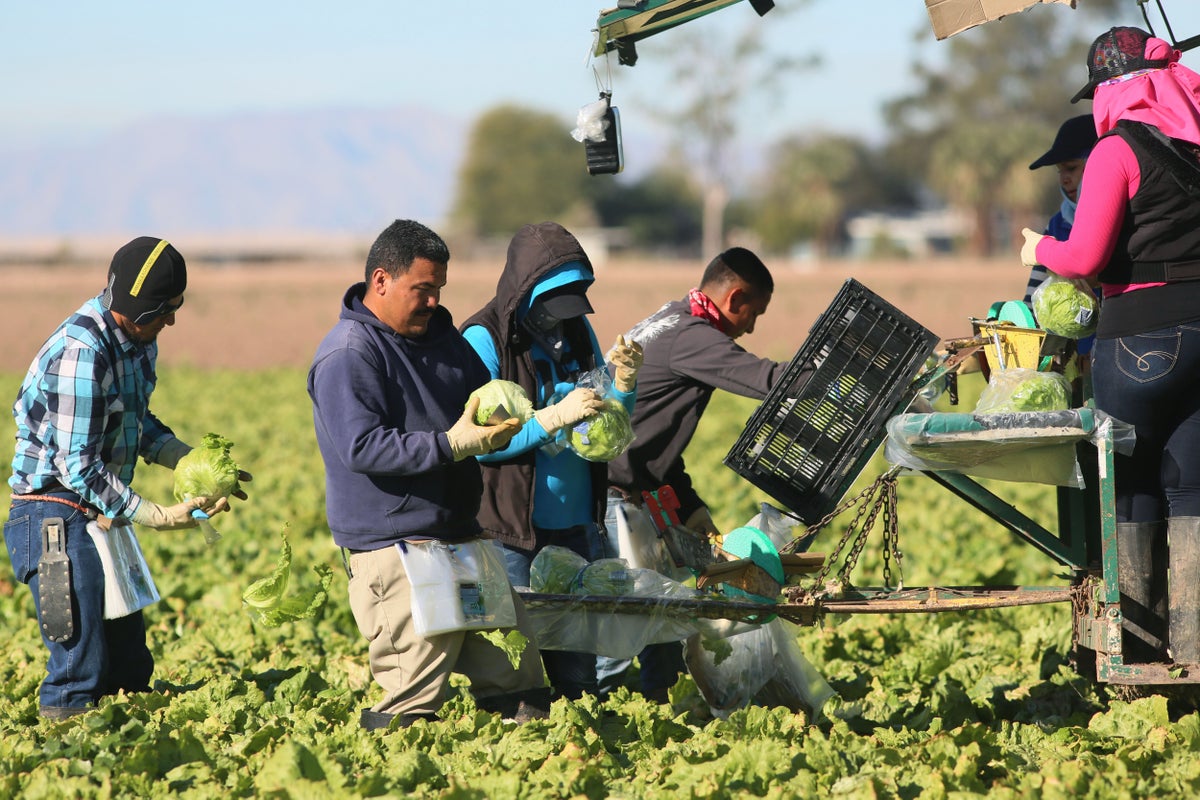
There is another pathway: field workers. Agricultural harvesting is hard, backbreaking labor. If field hands working long shifts lack accessible, clean sanitation facilities and handwashing stations, human waste can inadvertently contaminate harvesting equipment, crates, and hands.
One contaminated water source or one compromised harvesting field can taint thousands of cartons of produce shipped across oceans in temperature-controlled containers.
The Frustration of Tracing an Invisible Threat
Epidemiologists investigating Cyclospora outbreaks face a unique wall of frustration.
When an outbreak occurs, state health departments begin interviewing patients, asking them to recall every single meal they ate over the previous fourteen days. Try remembering every ingredient in every meal you ate two Tuesdays ago. It is an almost impossible task for most people.
Public health workers painstakingly cross-reference these meal histories looking for common threads. They look for clusters: a wedding banquet where twenty guests fell ill, or a specific grocery store chain where affected consumers purchased berries.
Once a common food item is identified, investigators trace the distribution chain backward through brokers, packing houses, shipping companies, and ultimately to international farms.
Yet, testing the produce itself is notoriously difficult. Because the parasite presence can be sparse—a few microscopic oocysts scattered across tens of thousands of leaves—a laboratory sample might easily miss the contaminated spot. Often, by the time an outbreak is linked to a specific crop, the harvesting season at that farm has ended, and the contaminated batch has completely passed through the supply chain.
Bridging the Gap in Food Safety
Stopping Cyclospora requires rethinking how we protect agricultural water sources.
Bacteria like E. coli can often be managed with straightforward chlorine rinses, but resistant protozoan parasites demand layered, preventive defense systems right at the source.
- Water Quality Testing: Agricultural operations must regularly test agricultural water for human fecal contamination markers long before that water touches a crop.
- Sanitation Infrastructure: Providing portable, clean, and well-maintained sanitary facilities for farmworkers is not just a human rights necessity; it is a critical food safety protocol.
- Advanced Filtration: Utilizing physical filtration methods, such as microfiltration or ultraviolet irradiation, helps neutralize tough oocysts that standard chemical rinses miss.
For consumers, awareness is the first line of defense. Thoroughly washing produce under running water helps reduce physical debris and surface microbes, though cooking remains the only guaranteed way to destroy Cyclospora oocysts completely.
Understanding where our food comes from—and the invisible environmental pathways connecting global sanitation to local dinner plates—is essential.
Sarah eventually recovered after receiving the correct targeted antiparasitic medication. But her experience leaves behind a lasting realization: our food system is deeply interconnected with global health conditions far beyond our own borders.
Every leaf of lettuce, every bowl of berries, and every fresh herb on our tables carries a story of the soil, water, and human hands that brought it there. Keeping that story safe requires vigilance at every single step of the journey.