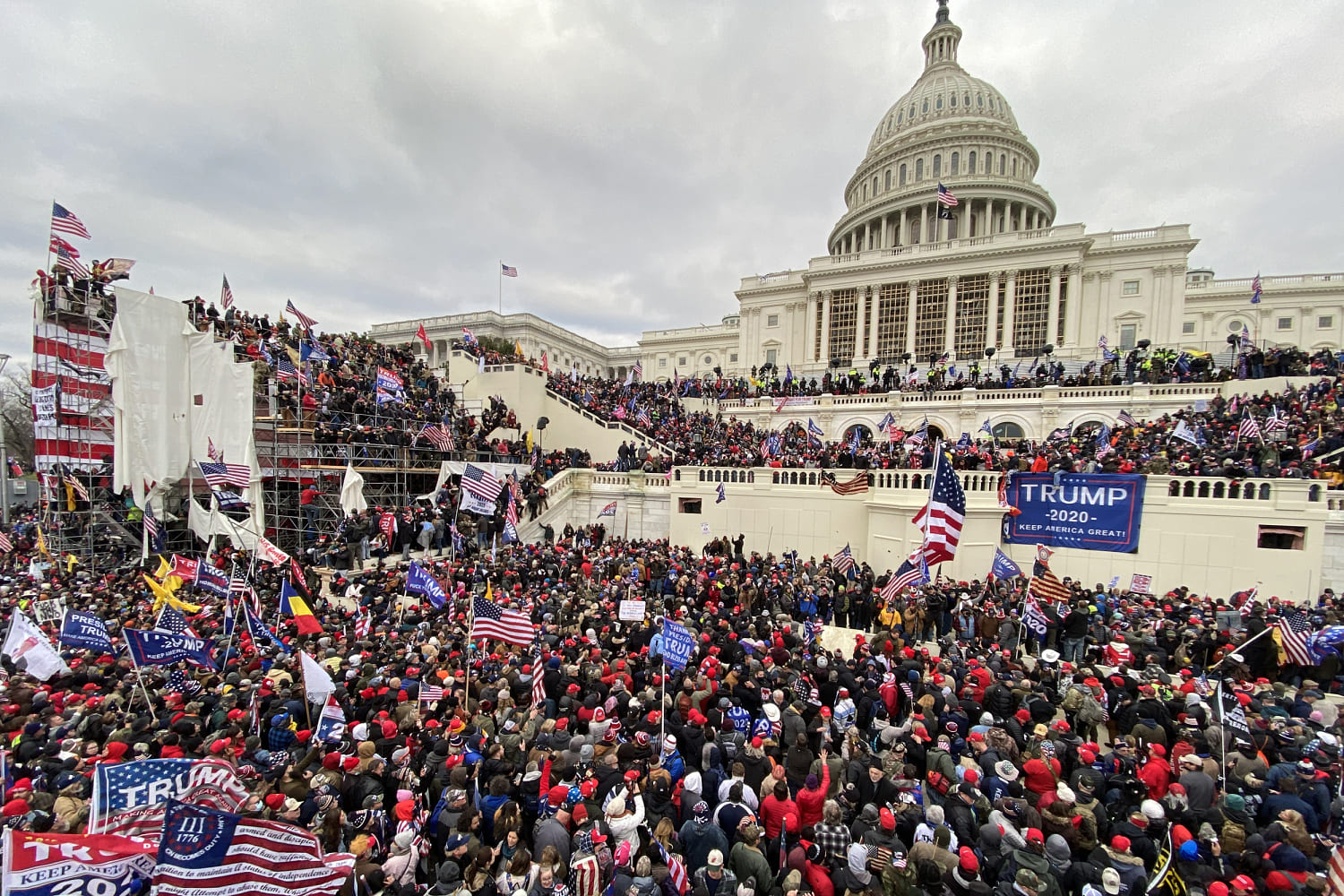
Democracy does not usually collapse in a theatrical roar of falling masonry or the thunder of midnight treads. It settles, instead, in the quiet, dusty corners of a municipal basement where exhausted volunteers count slips of paper until their eyes blur. It fades when the machinery designed to keep elections honest is disassembled quietly, piece by piece, under the cover of procedural boredom.
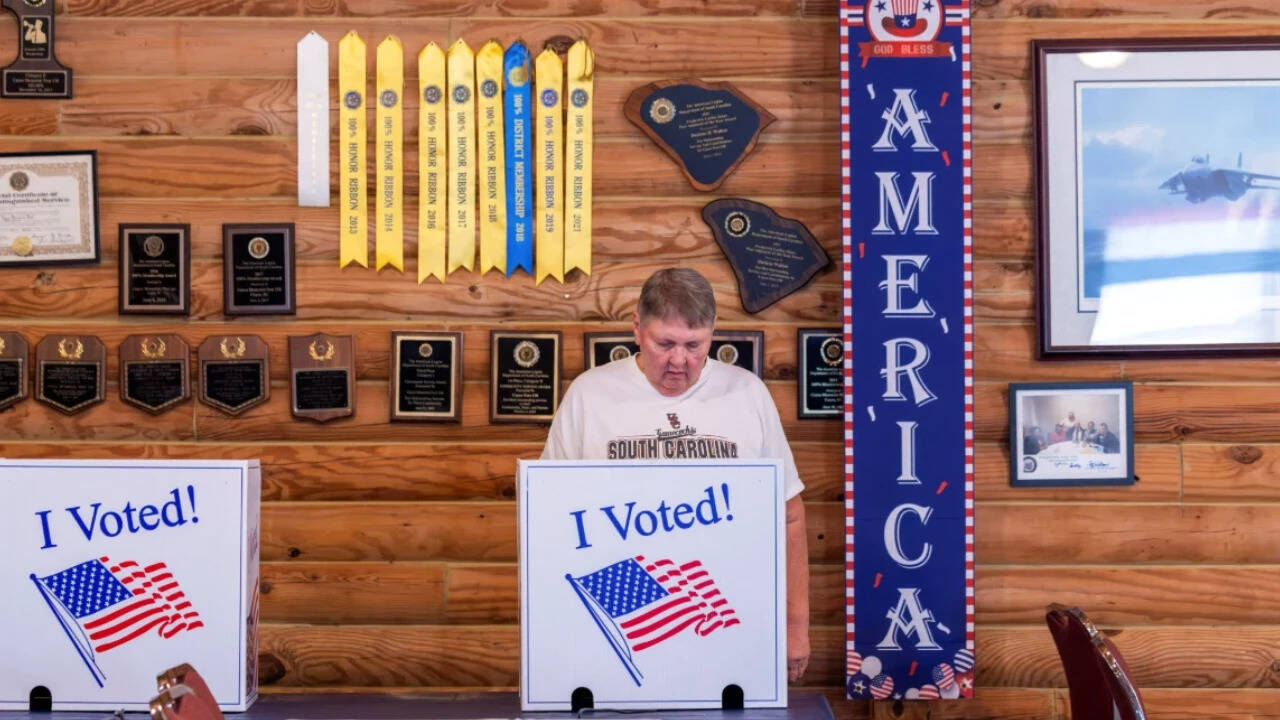
Consider a Tuesday in November. To the average citizen, an election day is a brief interruption in a routine. You walk past the rain-slicked pavement, sign your name in a worn paper ledger, press a plastic stylus against a screen or slide a paper ballot into a humming metal box, and collect a small sticker that declares you have participated. It feels local. It feels domestic. It feels safe.
Beneath that veneer of ordinary civic participation lies a staggering apparatus of invisible architecture. Millions of lines of software code, physical drop boxes bolted to concrete slabs, cryptographic seals on memory cards, bipartisan boards of canvassers arguing over stray marks, and independent cybersecurity agencies auditing networks for foreign interference. For years, the federal bulwark charged with overseeing much of this digital and physical safety net was an agency operating with a specific, sober mandate: to protect the integrity of the vote.
Then came the dismantling.
In a political climate fueled by perpetual grievance, the mechanisms designed to insulate elections from tampering became targets themselves. Agencies that flagged foreign disinformation or secured voting machine vendor networks were systematically gutted, their budgets constricted, their leaders pushed out, and their mandates branded as partisan overreach. The guardrails were pulled down because someone found them inconvenient.
And now, into that vacuum of institutional protection, an entirely different kind of force is stepping forward.
The United States military.
To understand why this shift is profound, you have to step away from the abstract debates of political science and look at the physical reality of a democratic state. Military forces are designed for external defense, deterrence, and combat operations. Their training focuses on decisive force, operational security, and command hierarchies. They are not designed to manage civic friction, and they certainly are not engineered to police domestic ballot boxes. Yet, as the domestic infrastructure meant to safeguard midterms and general elections finds itself hollowed out by political infighting and defunding, the perimeter defense of democracy is shifting.
When the people who know how to secure a server or verify a cryptographic signature are marginalized, the state looks for the next institution with scale, logistics, and boots on the ground.
Imagine a national guard unit staging vehicles near a state election headquarters. To a passing motorist, it might look like disaster relief preparation. To a political analyst, it is a flashing neon sign indicating that normal civilian governance is buckling under the weight of its own polarization.
The irony is bitter. For generations, American foreign policy lectures nations around the globe about the dangers of militarizing elections. We watch archival footage of soldiers standing with automatic rifles outside polling stations in fragile democracies, shaking our heads at the implied fragility of those republics. We tell ourselves that in a mature democracy, the gun has no place near the ballot. The ballot is sacred precisely because it is civilian. It belongs to the teacher, the retiree, the local mechanic volunteering on a Tuesday, and the voter who should never have to wonder if their civic duty is being monitored by someone wearing camouflage.
When civilian agencies that protect elections are hollowed out, desperation sets in. State officials scramble to find security wherever it remains functional. Cyber commands and national guard cyber-defense elements are deployed to scan voting infrastructure for intrusions not because it is ideal, but because there is no longer a robust, trusted civilian entity left standing to do the work cleanly.
The danger is not an immediate military coup. Democracies rarely die that way in modern states. The danger is normalization.
Once soldiers are routinely woven into the fabric of election administration—monitoring infrastructure, guarding logistics hubs, patrolling the perimeter of tabulation centers—the line between civil society and state security blurs just a fraction more. Each election cycle, that line moves. What begins as an emergency patch for a gutted agency becomes standard operating procedure. Before long, citizens grow accustomed to seeing armed personnel adjacent to the democratic process.
We forget how fragile public trust really is. Trust in an election does not stem solely from the mathematical accuracy of the count. It stems from the intangible feeling that the system belongs to the people, not the state apparatus. When protection comes from the barrel of institutional defense rather than civilian consensus, the psychological contract changes.
The midterms loom with this quiet, heavy contradiction hanging in the air.
On one side, local election workers will show up before dawn, drinking stale coffee from cardboard cups, unlocking gymnasiums and community centers with heavy iron keys. They are the true backbone of the republic—ordinary people performing extraordinary acts of patience, checking signatures, verifying IDs, and ensuring that every single voice has a physical weight in the box.
On the other side, the architecture protecting them has been fractured. The specialized civilian agencies that once stood between domestic elections and foreign or domestic disruption have been weakened by political amputation. And in their place, the heavy machinery of military logistics creeps closer to the voting booth.
We are sleepwalking into a reality where the defense of our most sacred civic rite requires tools we never wanted to borrow. The true cost of gutting our election protection agencies is not just measured in compromised servers or unverified software vulnerabilities. It is measured in the quiet erosion of our democratic innocence, replaced by a system that has to be guarded by soldiers because we lacked the collective discipline to protect it ourselves.
The ballot box remains open for now. The line of voters still forms in the crisp autumn air. But look closely at the edges of the frame. The landscape is changing, and the footprints left behind belong to giants we never intended to invite inside.