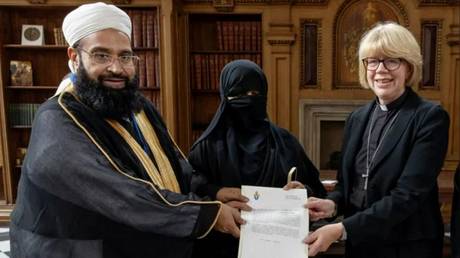
Modern institutional bodies often struggle with basic due diligence. When leaders prioritize optics over hard facts, public backlash is inevitable. A glaring example recently unfolded when high-ranking ecclesiastical leadership faced sharp criticism over vetting protocols regarding international awards.
The Cost of Poor Vetting
Organizations often rely on curated recommendations without digging into background histories. When an official body hands out honors based on surface-level diplomacy, it frequently ignores public records. In this case, scrutiny intensified after old statements and controversial associations resurfaced. Critics pointed out glaring oversights regarding figures tied to extremist sympathies or local extortion networks.
The fallout exposed deep flaws in how global religious institutions manage cross-border relationships. Instead of fostering genuine peace, hasty honors damage trust among vulnerable minority communities who face real-world persecution.
Why Due Diligence Fails
Bureaucratic inertia plays a massive role. Institutions like Lambeth Palace operate through complex administrative layers where local insights get lost. When a regional moderator pushes for a nomination, central offices rarely perform independent audits. They trust the title and the networking handshake.
This oversight leaves organizations vulnerable to public embarrassment. Activists and advocacy groups quickly flag controversies that basic internet searches would reveal. If leadership spent half as much time on background checks as they do drafting press releases, these PR disasters could be avoided entirely.
Rebuilding Institutional Credibility
To restore faith in official recognitions, transparency must become mandatory. Vetting processes cannot rely solely on self-interested endorsements from regional actors. Independent fact-checking groups and human rights records need priority over diplomatic convenience.
Organizations must own up to administrative failures immediately rather than hiding behind vague statements. Restoring integrity requires accountability, rigorous background checks, and a willingness to listen to grassroots communities on the ground.
Muslim cleric who's 'sympathised' with Osama Bin Laden given award
This video provides additional context regarding the public reaction and media coverage surrounding the controversial award decision by church leadership.


