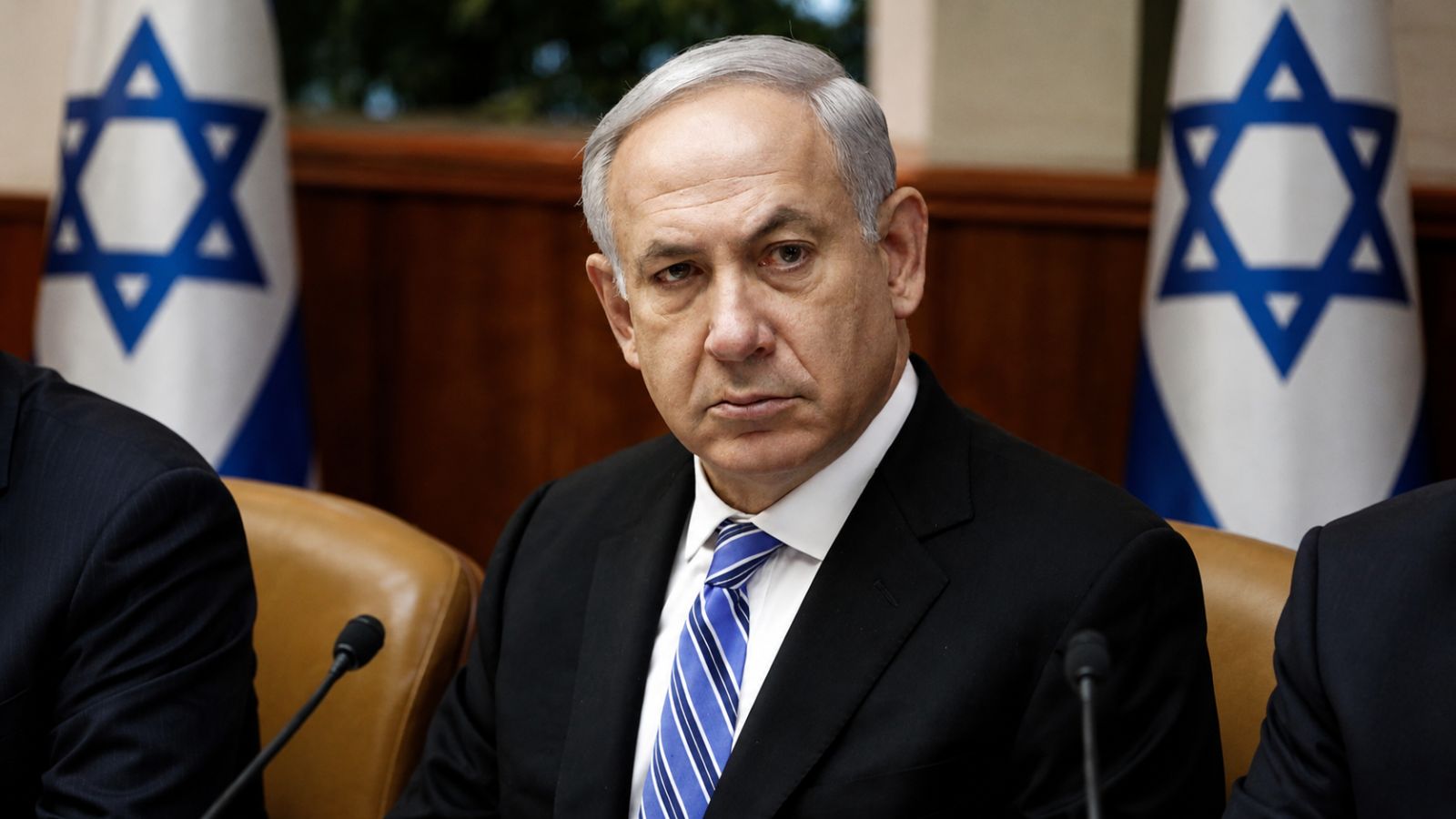
Canada, France, and Britain have officially triggered a major diplomatic firestorm by announcing coordinated bans on imports from Israeli settlements in the occupied West Bank. For decades, Western allies danced around the legal and moral quagmire of settlement commerce, issuing muted statements of disapproval while quietly processing wine, agricultural goods, and manufactured products stamped with ambiguous labels. That status quo evaporated overnight. British Foreign Secretary Ed Miliband laid out sweeping restrictions in Parliament, targeting not only physical goods but also financial services, real estate promotion, and infrastructure development tied to the settlements. Paris and Ottawa moved in lockstep, signaling a profound rupture in relations with Prime Minister Benjamin Netanyahu’s government.
The primary driver behind this sudden policy pivot is the accelerating erosion of the two-state solution, pushed to the brink by aggressive land appropriation. Specifically, recent Israeli approvals for thousands of housing units in the strategic E1 corridor threatened to slice the West Bank in two, rendering a contiguous Palestinian state physically impossible.
The Mechanics of Enforcement
Implementing an import ban on settlement goods sounds straightforward on paper. In practice, the administrative machinery required to separate goods produced inside the Green Line from those originating across it is a bureaucratic nightmare.
For years, distinguishing between products made in sovereign Israel and those manufactured in West Bank settlements relied heavily on voluntary guidelines and consumer awareness. Customs authorities across Europe frequently struggled because Israeli exporters often utilized unified supply chains. Wine harvested in the Jordan Valley or cosmetics formulated in regional industrial zones frequently entered international ports under blanket country-of-origin designations.
The new coordinated framework shifts the burden onto importers and legal entities. Britain’s legislation, slated to take full effect within six to nine months, criminalizes commercial participation in settlement infrastructure. Companies providing construction materials, engineering services, or financial backing to entities operating in the territories face severe penalties.
Yet, critics within financial sectors point out glaring loopholes. Modern corporate structures frequently shield parent companies operating in Tel Aviv from subsidiaries working in disputed regions. Without an aggressive, intrusive auditing mechanism, enforcement risks becoming porous. Furthermore, the economic footprint of settlement exports is relatively modest. The true weight of the measure lies in its symbolism and its weaponization of regulatory compliance as a political deterrent.
The Diplomatic Fallout and Retaliation
Netanyahu’s government reacted with swift, unyielding fury. Condemning the move as hostile and politically motivated, Jerusalem immediately retaliated by closing the British consulate in East Jerusalem, barring entry to a dozen prominent British parliamentarians, and expelling UK officials from regional coordination frameworks.
The escalation highlights a stark divergence in how traditional allies view security versus international law. While Western capitals emphasize that settlement expansion violates the Geneva Conventions and fuels localized violence, Israeli leadership frames the territory as historical and biblical homeland.
Washington finds itself in an increasingly uncomfortable diplomatic vortex. While the current U.S. administration faces domestic pressure from various factions, sharp rebukes from American diplomats underscore deep anxiety over how these European and Commonwealth actions fracture Western unity. Critics of the ban, including conservative lawmakers in London, argue that punishing economic integration will only harden positions on the ground, damaging fragile local labor markets where tens of thousands of Palestinians rely on Israeli employers for their daily livelihood.
The Dangerous Interdependence of Local Economies
Economic separation is easier decreed than executed. Decades of integration mean that West Bank infrastructure, water grids, electricity, and telecommunications remain deeply intertwined with Israeli networks.
Consider a hypothetical manufacturing plant operating in an industrial park just beyond the 1967 lines. Raw materials might enter through Israeli ports, administrative management operates out of central commercial districts within the recognized borders, and the workforce comprises both Israeli and Palestinian citizens. Untangling this web without collapsing the local wage structures requires surgical precision that foreign ministries rarely possess.
When trade barriers go up, the immediate casualties are often the wage earners on the lowest rungs of the economic ladder. Palestinian laborers who commute daily into industrial zones face heightened vulnerability if sanctions trigger sudden corporate closures or relocations. While proponents of the ban argue that economic pressure is the only remaining language the current Israeli coalition understands, opponents caution that punitive measures frequently achieve the opposite of their intended humanitarian goals.
The Point of No Return
The decision by London, Paris, and Ottawa marks a crossing of the Rubicon for Western diplomacy in the Middle East. By explicitly moving past diplomatic euphemisms and directly penalizing the economic apparatus of the occupation, these nations have fundamentally altered the terrain of international accountability.
Whether this coordinated economic squeeze forces a strategic recalibration in Jerusalem or simply deepens Israel's diplomatic isolation remains to be seen. What is certain is that the comfortable ambiguity governing settlement trade has expired, leaving a volatile vacuum in its wake.