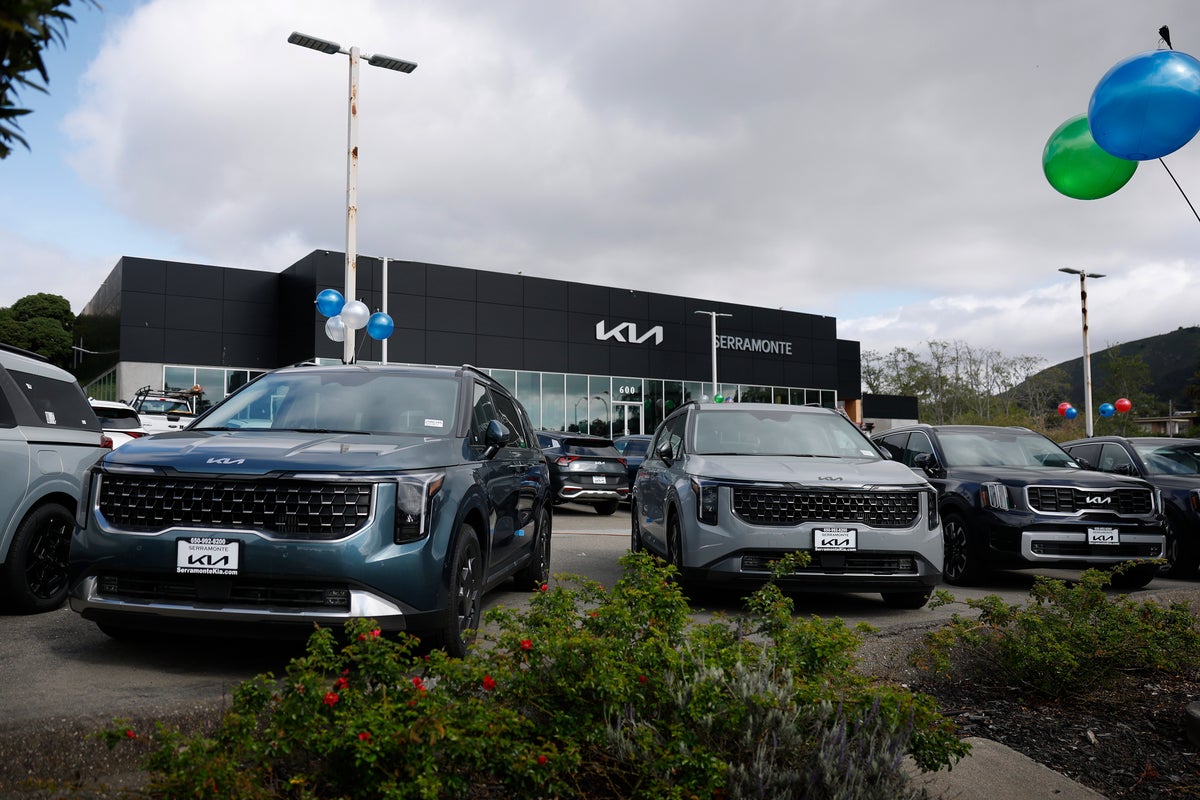
The National Highway Traffic Safety Administration issued an urgent warning to nearly half a million Kia Telluride owners, telling them to park their SUVs outside and away from buildings due to an immediate fire risk. The safety alert impacts 462,869 vehicles from the 2020 through 2024 model years. The primary danger comes from the front power seat motor, which can malfunction, run continuously, and overheat until it ignites, regardless of whether the vehicle is being driven or sitting idle in a garage.
This is not a new problem for the South Korean automaker. For a more detailed analysis into this area, we suggest: this related article.
Kia issued an identical recall for the exact same fleet of SUVs. The current crisis is a direct result of a failed remedy, exposing a deeper narrative of manufacturing oversights and inconsistent dealership repairs that leave consumers vulnerable to a known hazard.
Anatomy of a Repeated Failure
The mechanical flaw centers on the front power seat slide knob, a basic plastic control component located on the side cover of the seat. Under normal circumstances, adjusting the seat sends a temporary electrical current to the seat motor. However, federal filings reveal that if this side cover or the knob itself receives an impact, the internal switch can dislodge or misalign. To get more information on this issue, detailed analysis is available on Associated Press.
Something as routine as a driver striking the seat knob with their leg while getting into the SUV can trigger the failure.
When the switch is knocked out of place, it can stick in the "on" position. The electric motor will then run without stopping. Because automotive power seats are wired to remain live even when the ignition is completely turned off, the motor continues to draw power and spin until it reaches critical thermal failure temperatures.
The Breakdown of the Original Fix
Automakers typically resolve safety defects with a permanent engineering solution on the first attempt. Kia attempted this by distributing a reinforcement bracket designed to strengthen the seat switch cover, along with a replaced switch mechanism.
The original fix failed in the field.
Subsequent investigations by the federal government and corporate engineers uncovered two distinct vulnerabilities. First, internal documents cited sporadic workmanship errors across the independent dealership network. Some technicians mistakenly reinforced the back cover of the housing without replacing the faulty switch itself. Second, engineers discovered that the physics of a physical strike to the knob created twisting forces that could still dislodge the switch, bypass the new bracket entirely, and recreate the original fire hazard.
Seven distinct localized under-seat fires and 11 incidents of melted seat motors have been confirmed so far. The repeat recall underscores how difficult it is to deploy a retroactive physical patch across hundreds of thousands of vehicles when the underlying design remains susceptible to human error during servicing.
Shifting from Mechanical Reinforcement to Electrical Failsafes
Because physical brackets failed to prevent the physical misalignment of the switch, the new strategy shifts from mechanical prevention to electrical containment. Dealers will no longer just try to keep the switch in place. Instead, they will install an electronic fuse assembly directly into the seat motor circuitry.
The strategy is simple logic. If a switch gets stuck and the motor runs continuously, the electronic fuse will detect the sustained, elevated current draw and blow, cutting off all power to the seat before the components can reach the ignition point of the surrounding foam and fabric.
- Impacted Vehicles: 462,869 Kia Telluride SUVs
- Model Years: 2020 through 2024
- The Interim Warning: Owners must park vehicles outdoors and away from any structures or adjacent vehicles
- Official Notification Window: Owner notification letters are scheduled to be sent out via first-class mail beginning August 13
Trust Deficits in the Modern Automotive Landscape
This incident is part of a broader, more systemic headache for Hyundai Motor Group, the parent entity of both Kia and Hyundai. Over the past decade, both brands have faced a relentless drumbeat of fire-related recalls. Millions of older sedans and crossovers were recalled due to internal brake fluid leaks within the anti-lock braking system modules that caused electrical shorts and engine bay fires.
The repeat nature of the Telluride problem shifts the conversation from component supplier reliability to quality assurance within the engineering and assembly process. The Telluride has been a massive sales success and a critical darling for the brand, making this specific defect a significant reputational threat.
Compounding the problem is the timeline. While the National Highway Traffic Safety Administration made the data public, official letters instructing owners to schedule their free repairs will not arrive until mid-August. This leaves a multi-week gap where hundreds of thousands of families are expected to alter their daily routines, park their primary family vehicles on streets or driveways, and hope that an accidental kick to the seat switch does not initiate a thermal event before they reach the service bay.