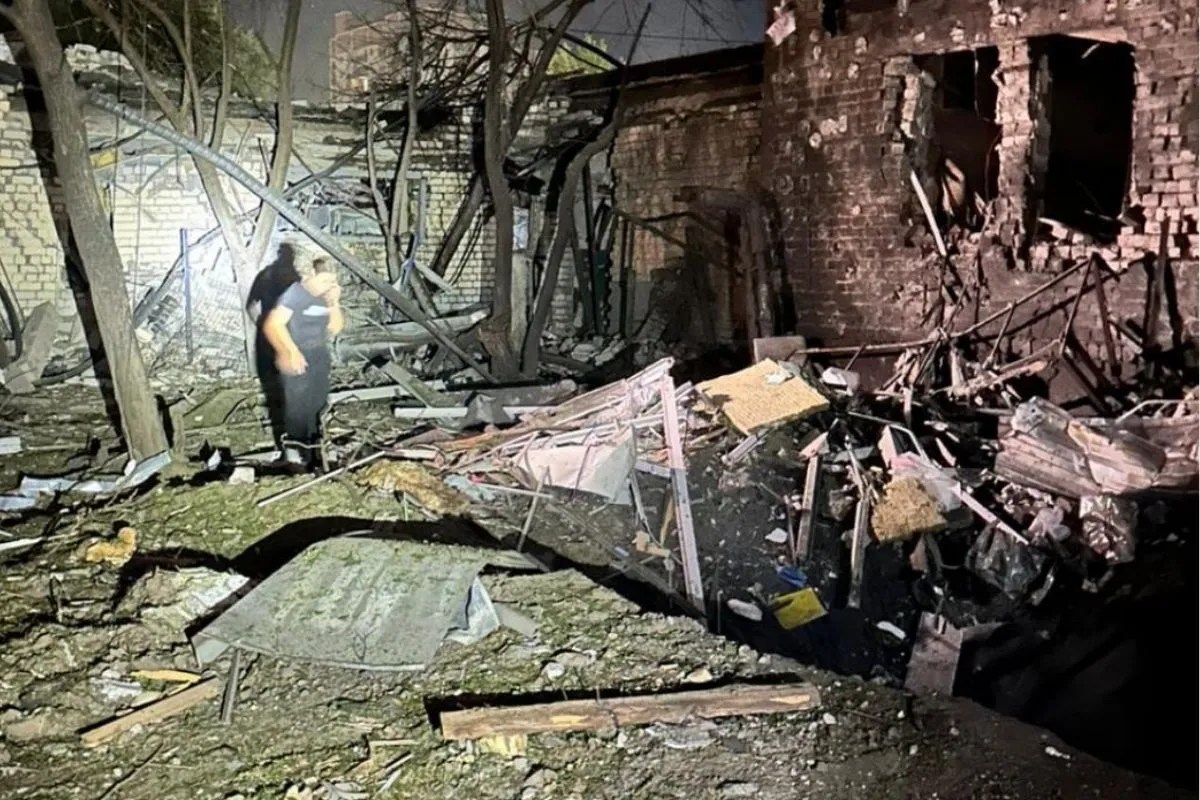
The maritime choke point carrying one-fifth of the global energy supply has transformed into a testing ground for asymmetrical warfare. Recent United States military strikes targeting Islamic Revolutionary Guard Corps missile and launcher sites on Larak Island shattered a fragile, month-long lull in the Persian Gulf. Central Command officials stated that forces intervened because Iranian units were actively preparing to seed the Strait of Hormuz with sea mines.
Washington declared the primary international shipping lane cleared of legacy ordnance just days prior. Tehran responded almost immediately with ballistic missile strikes targeting American-allied positions in Jordan, while an independent commercial tanker reportedly struck two active mines near the southern approach. This cycle of violence highlights an enduring operational reality. Clearing steel casings from a seabed does little to stop an adversary capable of deploying fresh explosive hardware from hidden coastal redoubts.
The Asymmetrical Calculus of Modern Choke Points
Naval mines remain the ultimate equalizer in naval warfare. A weapon costing a few thousand dollars can neutralize a capital asset worth billions, forcing entire carrier strike groups to halt operations while clearance divers and sonar-equipped sweepers comb the murk.
For decades, the naval doctrine of the Islamic Revolutionary Guard Corps focused on coastal dispersal. Instead of relying on blue-water fleets that cannot survive against American air supremacy, Tehran mastered the art of distributed lethality. Small, fast attack craft, semi-submersible drones, and shore-based rocket launchers act as clandestine delivery mechanisms.
When intelligence analysts observe activity on islands like Larak or Abu Musa, the concern is rarely standard Cold War-era contact mines. The Islamic Republic has steadily adapted its inventory to include influence mines activated by acoustic, magnetic, or pressure signatures, alongside rocket-assisted delivery systems that bypass traditional laying patterns. These systems allow shore batteries to drop ordnance directly into commercial shipping lanes without sending vulnerable surface vessels into the line of fire.
The United States Navy maintains the world's premier mine countermeasures force, yet the architecture of the Strait of Hormuz makes absolute security impossible. The channel is narrow, heavily trafficked, and sits within easy range of Iran's mobile shore-based arsenals.
The Economic Pressure Loop
Military engagements in the Gulf rarely stay contained to the water. The recent exchange occurred against a backdrop of aggressive economic warfare. The White House implemented a strict naval blockade targeting Iranian ports and oil export infrastructure to choke off state revenue.
When oil export terminals face disruption, energy markets react instantaneously. Crude prices spiked past ninety dollars a barrel following the Larak Island strikes. Traders understand that a closed Strait of Hormuz means immediate supply constriction, regardless of diplomatic assurances or statements regarding cleared transit corridors.
The strategy of economic strangulation creates a dangerous feedback loop. As sanctions tighten and financial lifelines fray, the incentive for Tehran to utilize its asymmetric naval assets increases rather than diminishes. Mines provide a low-cost method to impose systemic risk on global trade, reminding international markets that the regime retains the capacity to disrupt the global economy at will.
Sustainability Under Strain
Behind the precision optics of Central Command briefings lies an acute logistical strain. The ongoing naval campaign requires sustained carrier presence, continuous airborne early warning operations, and relentless maritime patrol flights.
Defense planners have raised quiet concerns regarding the long-term sustainability of this operational tempo. Deploying elite airborne units and maritime patrol assets to the Middle East for extended rotations drains readiness required for other global theaters. When an entire division sees its deployment timelines extended to support a permanent regional blockade, the ripple effects touch every corner of the defense apparatus.
Tehran recognizes this friction. The leadership in the Islamic Republic operates on a timeline of endurance, calculating that domestic political pressures and military fatigue will eventually erode Western resolve. Every missile fired at a regional base and every mine dropped into a shipping lane serves to test the patience of coalition partners who prefer unhindered commerce over open-ended conflict.
The physical wreckage of the recent strikes on Larak Island will be cleared, and sweepers will once again verify the depth of the shipping channels. Yet the underlying contest remains unresolved. As long as shore-based launchers remain hidden along the Iranian coast, the safety of every vessel transiting the Persian Gulf stays entirely dependent on preemptive violence.