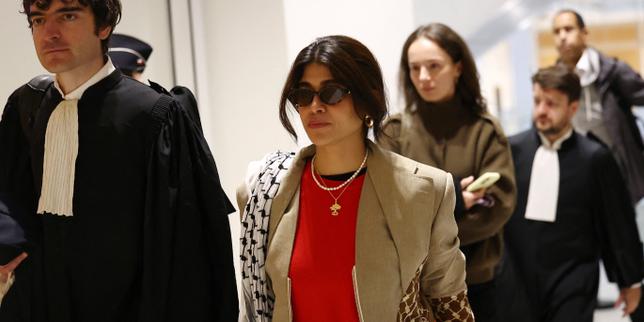
In October 2026, French prosecutors asked a Paris criminal court to sentence La France insoumise Member of the European Parliament Rima Hassan to ten months of suspended prison and two years of ineligibility over a deleted social media post accused of glorifying terrorism. The trial opened on October 19, 2026, with the court's verdict scheduled for November 30, 2026.
Prosecutors argued that the post minimized a deadly attack and cast its perpetrator in a favorable light. Hassan's defense pushed back hard, framing the prosecution as an attempt to silence political speech and arguing that her parliamentary mandate and freedom of expression shield her remarks. Recently making headlines recently: Why Alberta Chose Canada and Left Separatism Behind.
Anyone who has covered French courtrooms for decades knows a basic truth about prosecutorial requests. They are a marker, not a sentence. Judges do not have to follow them, yet requests carrying ineligibility inevitably shift a political dispute into constitutional territory, testing where sharp rhetoric ends and criminal liability begins.
How a Deleted Post Becomes a Felony-Level Battleground
On paper, the legal standard sounds straightforward. Under Article 421-2-5 of the French Penal Code, publicly praising or encouraging acts of terrorism carries stiff maximum penalties, including prison time and steep fines, alongside potential supplementary punishments. Further information into this topic are covered by The Guardian.
In practice, digital speech turns every word into a forensic puzzle. A post goes up, spreads across feeds with high reach, gets deleted later, and still lives on through screenshots, platform records, and complaints filed with authorities or civil parties.
Prosecutors look at impact and framing. If a message appears to excuse violence, honor an attacker, or treat an attack as legitimate resistance, the state treats it as more than a heated opinion. Defense lawyers look at context, intent, and political debate. They ask whether a post was meant to endorse violence or to make a broader political point, even a provocative or painful one.
That gap between intent and reception is where modern speech trials live. When an elected official has a large online megaphone, prosecutors argue the reach magnifies the risk. When a defense team argues political speech, they warn that broad readings turn controversial commentary into a criminal trap.
The Weight of Ineligibility in Modern French Politics
Prison with a suspension gets headlines. Ineligibility changes political careers.
When prosecutors ask for two years of ineligibility against a sitting MEP, the stakes reach past one courtroom in Paris. Even a suspended jail sentence often feels abstract to voters until paired with a bar on running for office.
French courts have increasingly used ineligibility across political cases in recent years. Critics from across the spectrum argue over whether removing someone from electoral competition is a proportionate sanction for speech offenses or an overreach that lets judges reshape democratic contests. Supporters counter that accountability must apply to public figures just like everyone else, especially when they hold office and influence millions of followers.
"A prosecutorial demand sets the ceiling of the argument in the room, not the final word of the bench."
Timing matters too. A two-year ban does not hit every office the same way depending on election calendars, appeals, and whether provisional execution is requested or granted. Even before a verdict arrives on November 30, 2026, the mere request fuels accusations of lawfare on one side and demands for firm enforcement on the other.
Immunity, Free Speech, and the European Parliament Factor
Hassan's defense leans heavily on parliamentary independence and free expression. That argument taps into a long-running tension in European democracies.
Elected representatives are supposed to have wide latitude to debate polarizing conflicts and challenge state narratives. Without breathing room, political speech shrinks to safe clichés. Yet lawmakers are not above criminal law either, and courts routinely examine whether disputed remarks cross from protected political expression into prohibited offenses.
Key friction points shape how observers read the case:
- Scope of protection: Does a social media post about historical or geopolitical violence fall under protected political expression, or cross into unlawful glorification?
- Audience and reach: High-profile accounts amplify messages quickly, making prosecutors more attentive to potential public order or incitement concerns.
- Procedural scrutiny: Defense teams routinely examine how evidence was gathered, whether civil party filings followed proper rules, and whether legal definitions were stretched.
In courtroom reporting, it is easy to treat an opening day or prosecutorial demand as the finish line. It rarely is. A trial court weighs testimony, legal briefs, and proportionality. And even after November 30, 2026, appeals can stretch the legal timeline for months or years.
Why Coverage Often Misses the Real Story
Most quick news briefs reduce a case like this to a tug-of-war between two slogans. Prosecution versus defense. Law and order versus free speech.
That shorthand leaves out the harder questions. How should courts judge online posts stripped of nuance by algorithmic feeds? Where does proportionality sit when sentencing a public figure for an online message rather than a physical act?
Consider a hypothetical example to see how messy the line can get. Suppose a lawmaker shares an old quote or image online to argue a point about foreign policy, without writing a long explanation. One reader sees a call to justify political violence; another sees a clumsy, provocative argument about conflict. A judge has to look past internet noise and decide what the law actually covers and whether a severe penalty fits.
That is why seasoned legal watchers wait for the written reasoning. What matters most is not just whether the court convicts or acquits, or whether it mirrors the ten-month suspended sentence and two-year ineligibility request. What matters is the standard the judges set for online speech by elected officials—and whether that standard holds up under scrutiny on appeal.



