The Be Ready checklist asks British households to hold enough drinking water, non-perishable food, lighting, hygiene gear, cash, and paper records to ride out three days of severe disruption from extreme weather, cyber incidents, or hostile state threats. On paper, it reads like common sense. In practice, it exposes just how brittle modern Britain has become when just-in-time logistics, digital payment rails, and pressurized water mains stutter for seventy-two hours.
Watch any public resilience rollout long enough and a familiar pattern emerges. Governments reach for household supply lists when infrastructure margins feel tight and state rescue capacity cannot cover every street at once. Telling citizens to keep a wind-up or battery FM radio, spare batteries, blankets, essential medications, and three litres of bottled water per person per day is not a call to build an underground bunker. It is an admission that everyday conveniences assume uninterrupted electricity, working cell towers, and card terminals that do not hang when networks go dark.
What the Official List Actually Covers
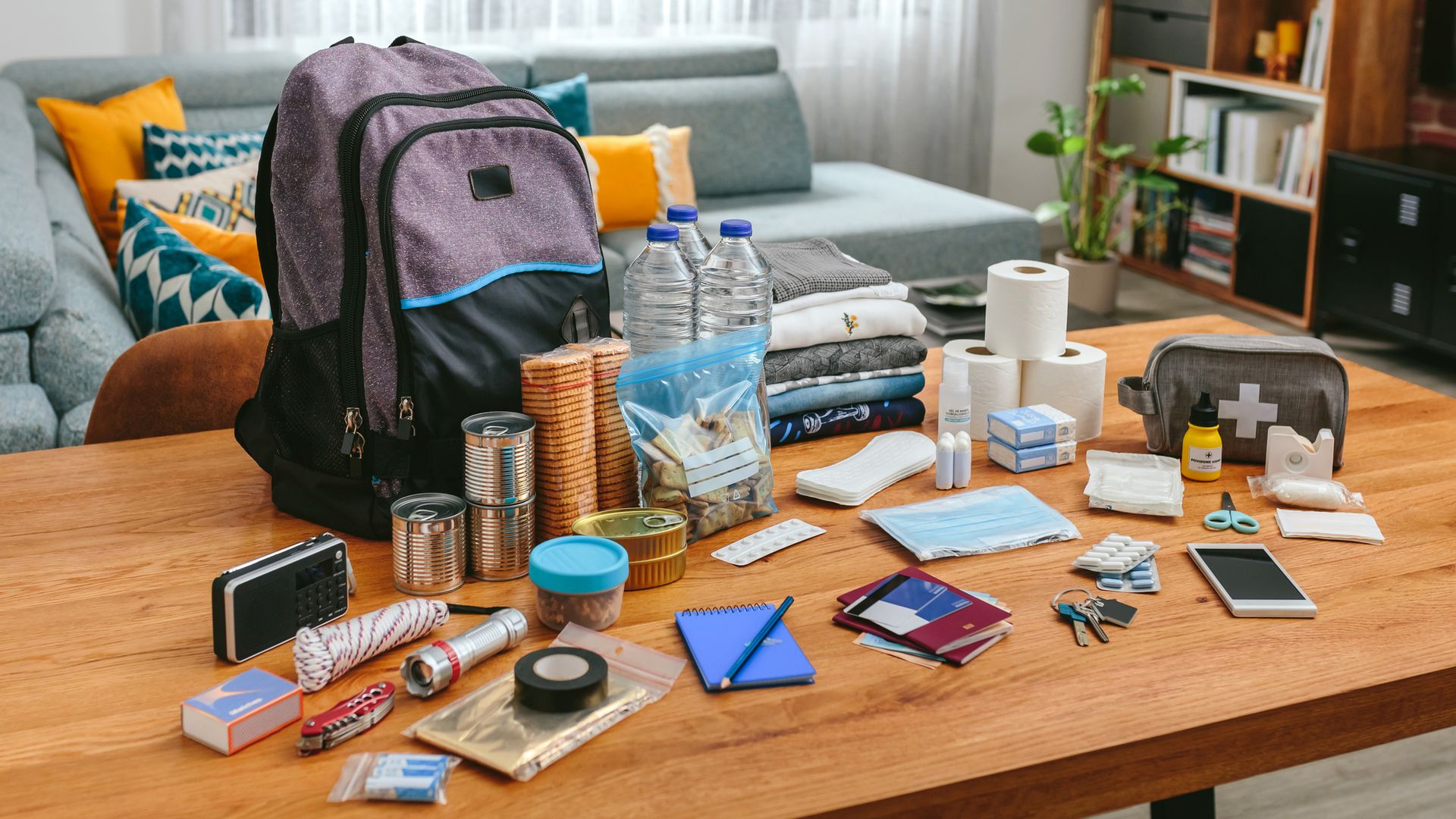
Strip away the headlines about stockpiling and the Be Ready checklist breaks down into a handful of practical household basics rather than a survivalist shopping spree. Officials group the guidance around getting through roughly seventy-two hours while emergency services and local responders prioritize the most vulnerable.
- Water and food: Bottled drinking water—typically pitched at three litres per person each day—plus non-perishable food that requires neither refrigeration nor cooking, such as tinned meat, fish, vegetables, fruit, nuts, and dried fruit, alongside a manual tin opener.
- Light and warmth: A torch with spare batteries, warm clothing, blankets, or sleeping bags in case heating or mains power fails.
- Communications and power: A battery-powered or wind-up FM radio and a charged power bank, paired with written phone numbers since nobody memorizes numbers anymore once a smartphone dies.
- Cash and paper documents: A mix of banknotes and coins alongside physical copies of identification, insurance or medical details, and instructions for medical equipment.
- Health, hygiene, and dependents: A basic first aid kit, essential prescriptions, hand sanitiser, wet wipes, bathroom supplies, baby formula or nappies where needed, and pet food and water.
Notice what is missing from that list. There are no generators, no tactical gear, and no multi-month rations. The state is asking families to absorb the first shock wave, not vanish into the woods.
Why Cyber Threats and Climate Shocks Share a Playbook
Critics often mock advice that lumps severe storms together with digital attacks or state-backed interference. From an engineering standpoint, that grouping makes total sense. Modern critical infrastructure is tightly coupled, meaning a failure in one layer cascades into others that look unrelated on a map.
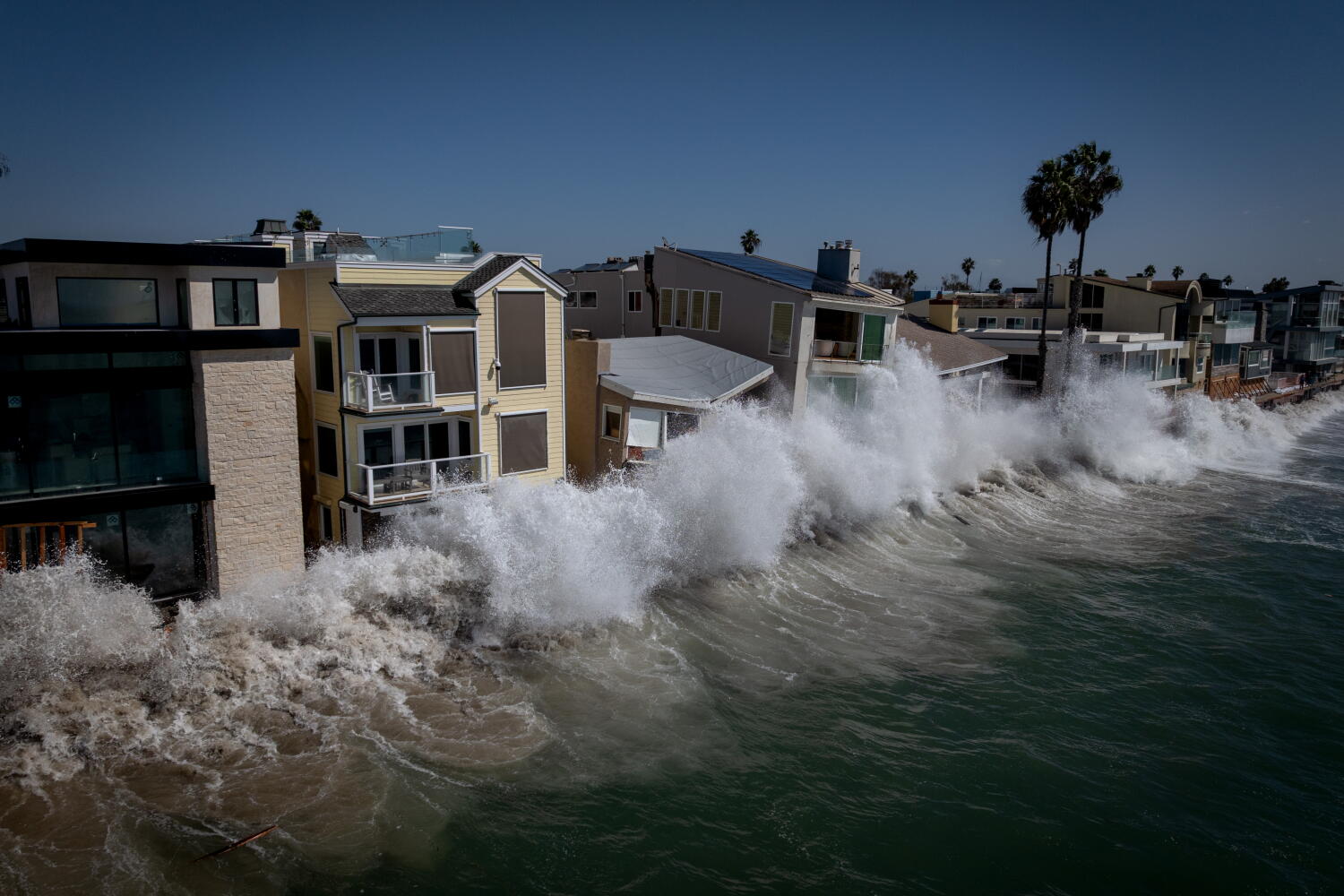
Severe flooding or winter storms can knock out overhead lines, flood substations, wash out roads, and sever local telecom links. A major cyber incident targeting energy distribution, payment networks, or water telemetry can trigger eerily similar street-level effects without a single drop of rain. When point-of-sale terminals fail or online banking freezes, a supermarket shelf might still hold stock while checkout lanes grind to a halt.
That overlap explains why cash and FM radio sit right beside bottled water on the Be Ready checklist. Digital convenience works brilliantly until it stops all at once. Having small-denomination notes and coins solves a payment outage; an analogue radio works when mobile data crawls or towers lose backup power.
The Quiet Friction Nobody Budgets For
A neat checklist on a government web page rarely accounts for the messiness of real homes. Three days of water sounds simple until a family of four tries to find floor space for thirty-six litres of bottled water plus extra for washing, brushing teeth, and cooking.
Small flats in London, Manchester, or Edinburgh have tight storage limits. Buying bulky cases of water all at once costs money upfront and clogs cupboards people already use for coats, vacuum cleaners, and groceries. Even when people start with good intentions, unopened bottles and tins get pushed to the back of a cupboard and forgotten until the next move or kitchen clear-out.
Then there is the human side of emergencies that a printed sheet cannot solve on its own. Power cuts hit differently when someone relies on home medical equipment, lives alone in a high-rise, or cares for an elderly relative across town. Community check-ins and utility Priority Services Registers matter just as much as torches and tinned beans, yet people routinely overlook them until the lights flicker.
Where the Resilience Debate Goes Off the Rails
Whenever officials talk about household preparedness, public reaction splits into two unhelpful camps. One side treats basic readiness as scaremongering designed to distract from underinvestment in grid maintenance, flood defences, or water pipes. The other side treats anyone with a torch and twenty quid in cash as a doomsday prepper.
Both positions miss the point. Asking households to hold a modest three-day buffer does not excuse crumbling infrastructure, nor does it mean disaster is imminent. Even in countries with high engineering standards, repair crews cannot physically be in ten thousand places at once during a major storm or widespread outage.
Consider a hypothetical example of a winter freeze that knocks out power across a semi-rural town for forty-eight hours. Electric boilers stop circulating heat, water booster pumps lose pressure or face boil-water notices, mobile signal weakens as backup batteries drain, and card machines drop offline at the local corner shop. A household with torches, blankets, bottled water, tinned food, a written list of contacts, and a bit of cash rides out the inconvenience calmly. Everyone else spends the evening hunting for open shops, working ATMs, and reliable updates.
That contrast highlights the real blind spot in official campaigns. Guidance is easy to publish; building habits across cash-strapped, space-constrained households is hard. Without clear advice on rotating supplies, avoiding panic buying, and checking on neighbours, checklists risk gathering digital dust or sparking brief rushes on supermarket shelves during the next weather warning.
Turning a Checklist Into Habit Without Wasting Money
The smartest way to treat the Be Ready checklist is as a slow adjustment to everyday routines rather than a single weekend project. Buying one extra pack of bottled water, a tin of soup or beans, or a spare set of batteries during a normal weekly shop spreads the cost and keeps cupboards usable.
Stick to non-perishable foods your household actually eats so nothing goes to waste when you rotate stock every six months. Keep a small stash of cash in mixed notes and coins in a safe spot at home, print out key phone numbers and policy details, and make sure essential medications do not run down to the last pill before a weekend.
Check your cupboards this week, pick just two missing items to add to your next grocery run, and write down three essential phone numbers on paper before your battery drops to one percent.