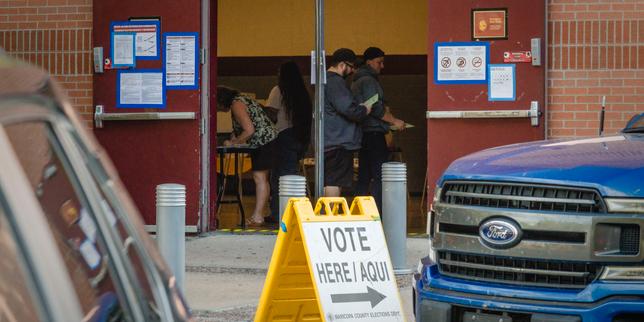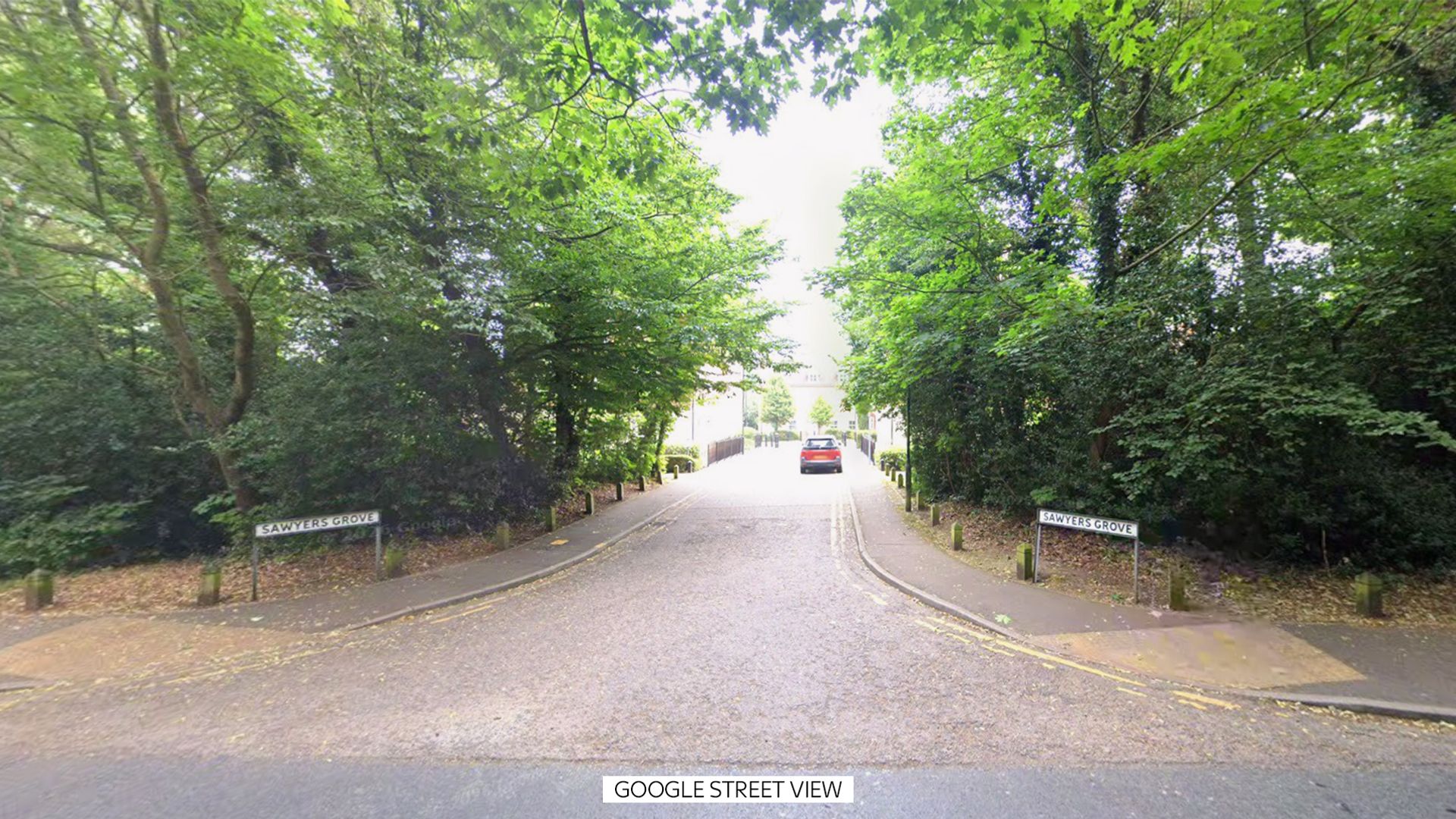
When local law enforcement detains two suspects and recovers three improvised explosive devices from a residential property, the public usually gets a sanitized three-paragraph press release before the news cycle moves on. The immediate danger is neutralized, a perimeter is cleared, and residents are assured there is no ongoing threat to the broader community. Yet that routine reporting misses the real story. The discovery of multiple homemade explosive devices in private hands represents the end stage of a much longer, quieter failure in precursor monitoring, digital radicalization, and municipal bomb squad readiness.
Standard crime blotters treat these arrests as isolated anomalies. They are not. Over the past decade, counterterrorism analysts and federal law enforcement agencies have tracked a steady shift away from centralized, hierarchical terror cells toward decentralized, self-directed actors operating in quiet neighborhoods. When a man and a woman are taken into custody alongside three viable or semi-viable devices, investigators are rarely looking at a simple domestic dispute or a random act of vandalism. They are looking at an operational timeline that was interrupted just before execution.
The Anatomy of a Domestic Bomb Plot
To understand why finding three explosive devices is significantly more alarming than finding one, you have to understand how clandestine bomb-makers operate. A single device often indicates experimentation, reckless hobbyism, or an impulsive grievance. Three devices suggest batch production, redundancy, and tactical planning.
In almost every documented case involving multiple improvised explosive devices—commonly referred to in law enforcement circles as IEDs—the builders are preparing for one of three scenarios. The first is a coordinated multi-target attack designed to overwhelm local emergency responders. The second is a primary-and-secondary ambush setup, where the first detonation draws police and paramedics into a kill zone before a larger device is triggered. The third is stockpiling for distribution or prolonged standoff defense against raiding officers.
Why Three Devices Signal Operational Intent
Building an explosive device requires time, space, and a willingness to accept catastrophic personal risk. Most amateur bomb-makers injure themselves during the mixing or assembly phases because energetic materials are notoriously unstable. Friction, static electricity, or minor temperature fluctuations can trigger premature detonation.
Consequently, when two individuals successfully assemble three distinct devices without blowing up their own kitchen or garage, it demonstrates a level of patience and technical adherence that separates dangerous actors from internet armchair extremists. They followed a recipe. They sourced components across multiple vendors to avoid triggering automated red flags. Most importantly, they worked in tandem, which provides mutual reinforcement and reduces the likelihood that one person will back out at the last minute.
The Invisible Supply Chain of Precursor Chemicals
The most uncomfortable truth about modern domestic explosives is that the ingredients are rarely smuggled across borders or stolen from military armories. They are purchased legally at hardware stores, agricultural supply outlets, beauty salons, and online marketplaces.
For years, federal regulators and chemical industry associations have debated how tightly to restrict precursor chemicals—substances that are entirely benign on their own but become volatile when combined in specific ratios. High-concentration hydrogen peroxide, acetone, ammonium nitrate, potassium chlorate, and certain metallic powders sit on retail shelves across the country every single day.
Where Retail Monitoring Falls Short
Major retailers use point-of-sale algorithms designed to flag suspicious purchasing patterns. If a customer buys fifty pounds of high-nitrogen fertilizer alongside specific fuel oils and metallic tubing in a single transaction, the system alerts loss prevention and potentially federal authorities.
Experienced actors bypass these safeguards effortlessly. Instead of making one large purchase, they practice structured purchasing—buying small quantities over several months across different zip codes, often paying in cash or using prepaid gift cards. When two people work together, such as a man and a woman operating as a pair, they cut their exposure in half. One person buys the oxidizers at a garden center in one county; the other buys the fuel components and wiring at an electronics shop thirty miles away. To the retail algorithms, neither person exists as a threat.
The Tactical Reality of Residential Bomb Raids
When intelligence finally reaches local police—often through an anonymous tip from a suspicious neighbor, a concerned family member, or a leaked digital footprint—the resulting raid is one of the highest-risk operations a municipal department can execute.
Unlike standard narcotics warrants, where officers prioritize speed and surprise to prevent suspects from flushing evidence, suspected explosives warrants require agonizing restraint. Kicking down a front door with a battering ram can trigger a mechanical booby trap or jar unstable chemical mixtures stored near the entryway.
Inside the Containment Protocol
When detectives suspect the presence of explosives, the tactical playbook changes entirely. Standard patrol officers establish an outer perimeter, often evacuating adjacent homes under the guise of a gas leak or utility emergency to avoid tipping off the suspects inside.
Specialized Explosive Ordnance Disposal (EOD) technicians are staged nearby before tactical teams ever make contact. If the suspects can be drawn out of the residence cleanly—intercepted during a routine errand or detained in the driveway—commanders will almost always choose an off-site takedown over a dynamic entry. Once the man and woman are in custody, the hardest work begins. Bomb technicians must enter an unknown environment, often utilizing remote-controlled robotics and portable X-ray systems, to locate, render safe, and catalog every single device.
A render-safe procedure is rarely as dramatic as cutting a colored wire in a Hollywood thriller. In reality, technicians use disruptors—high-pressure water cannons or small precision charges—to sever the firing circuit from the main explosive charge faster than the detonator can function. Every device must be treated as uniquely wired, because amateur builders frequently improvise their switching mechanisms using modified alarm clocks, consumer electronics, or simple pressure plates.
The Legal Tightrope After the Arrest
Securing the scene and detaining two suspects is only the opening chapter. Turning a chaotic residential raid into an airtight felony prosecution requires meticulous forensic reconstruction, and the legal hurdles are steeper than most people realize.
Defense attorneys routinely challenge explosives charges by arguing that the recovered items were merely "fireworks," "science experiments," or inert props lacking a viable initiation system. Under federal law and most state penal codes, prosecutors must prove not only that the defendants possessed the materials, but that those materials were configured—or intended to be configured—as a destructive device capable of causing injury or property damage.
Proving Intent Without a Manifesto
If the detained man and woman refuse to speak to investigators, prosecutors must build their case entirely through circumstantial and forensic evidence. Crime lab chemists analyze trace residues on clothing, countertops, and vehicle interiors. Digital forensics teams tear apart encrypted messaging apps, browser histories, and deleted search queries to establish a timeline of research and procurement.
The presence of two suspects introduces an additional legal complication known as constructive possession. When contraband is found inside a shared residence, each defendant's lawyer will inevitably point the finger at the other. The woman's counsel may argue she was an unwitting partner completely unaware of what her male companion was building in the basement. Simultaneously, the man's defense may claim the materials belonged to her or were left behind by a previous occupant. Overcoming that defense requires finding fingerprints, DNA, or specific purchase receipts tying both individuals directly to the assembly process.
The Blind Spots in Local Intelligence
Perhaps the most troubling aspect of these incidents is how close they often come to success before law enforcement intervenes. Municipal police departments are chronically under-resourced when it comes to domestic threat intelligence. While major metropolitan areas maintain dedicated intelligence bureaus and sit on federal Joint Terrorism Task Forces, smaller suburban and rural departments rely heavily on reactive policing.
Patrol officers are trained to spot signs of drug manufacturing—the chemical smells of a methamphetamine lab or the blacked-out windows of an illegal grow operation. Very few rank-and-file officers receive comprehensive training on the visual indicators of homemade explosives production. Empty bottles of high-grade drain cleaner, stripped copper wiring, modified hobbyist fuses, and unusual staining on sinks or hands can easily be overlooked during a routine welfare check or domestic disturbance call.
The Digital Echo Chamber Effect
At the same time, the instructional barrier to entry has collapsed. Twenty years ago, someone wanting to build an explosive device had to track down underground print manuals or risk infiltrating physical extremist networks, both of which carried high chances of encountering undercover informants. Today, step-by-step blueprints, troubleshooting forums, and chemical substitution guides circulate freely across encrypted platforms and fringe corners of the internet.
When two individuals isolate themselves within these digital spaces, their perception of risk becomes severely distorted. They convince themselves that their operational security is impenetrable, even as they leave digital breadcrumbs across internet service providers and financial networks. Yet law enforcement can only act on those breadcrumbs if someone is actively looking for them—and with tens of thousands of radicalized accounts generating noise daily, federal agencies are forced to triage threats constantly.
What Happens When the Perimeter Comes Down
Once the bomb squad clears the house, the media vans pack up, and the detained man and woman are booked into county jail on preliminary charges of possessing destructive devices, the neighborhood slowly returns to normal. Neighbors take down the caution tape mentally, grateful that nothing detonated on their street.
For investigators, however, the recovery of three devices immediately triggers a backward trace. Every battery, length of wire, container, and chemical batch has a manufacturing lot number or a distinct physical signature. Federal agents from the Bureau of Alcohol, Tobacco, Firearms and Explosives (ATF) will spend months tracing those components back to the exact retail counters where they were sold, reviewing surveillance footage to see if a third or fourth accomplice was standing off-camera.
Because in the world of domestic explosives, three devices found in a quiet house rarely represent the whole story—they are simply the pieces that happened to be sitting on the table when the sirens finally arrived.