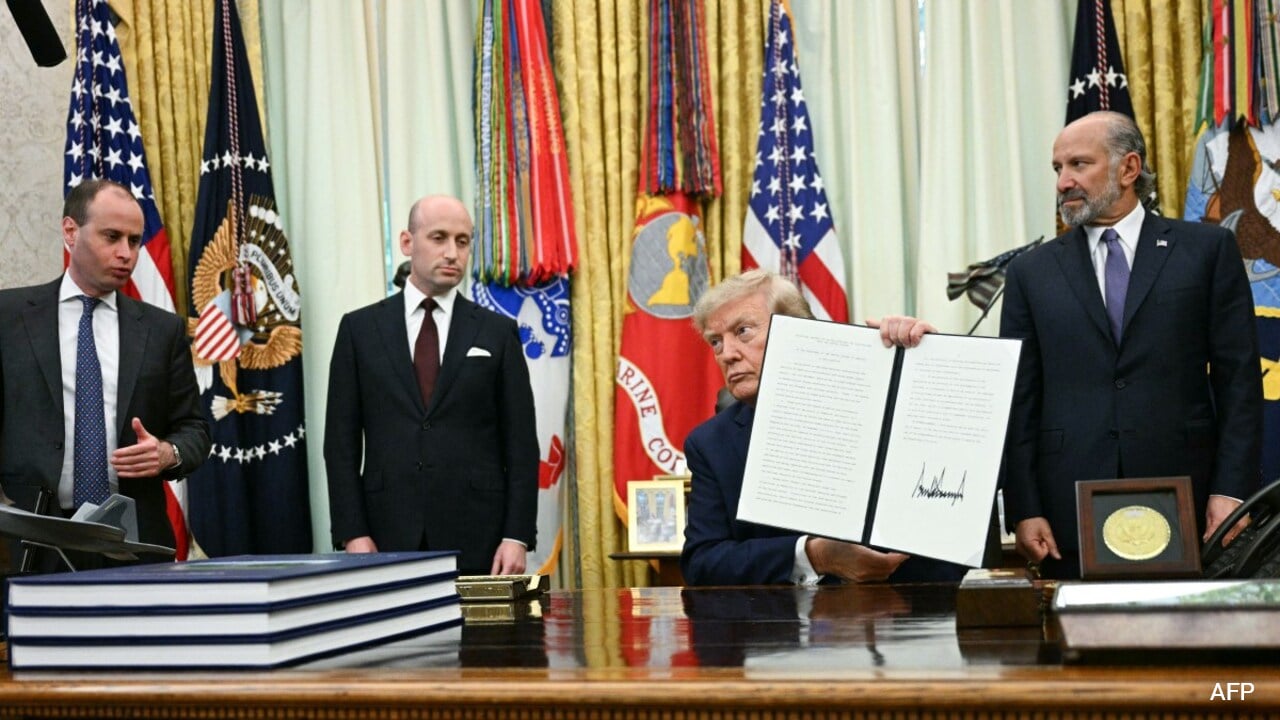
The United States is implementing a comprehensive hybrid trade intervention on polysilicon imports, combining minimum import price floors with flat ad valorem tariffs to insulate domestic producers from foreign state-backed overcapacity. This structural policy targets the foundation of both the American renewable energy sector and the domestic semiconductor supply chain. For years, traditional trade enforcement mechanisms like antidumping and countervailing duties functioned as a localized game of whack-a-mole, failing to stop the flood of low-priced material moving seamlessly through third-party nations. Now, Washington is shifting toward sweeping national security declarations under Section 232 to rewrite the economics of silicon production.
The Structural Vulnerability of Silicon
Polysilicon is the hidden anchor of modern high technology. Without ultra-pure hyper-refined silicon, solar photovoltaic panels cannot convert photons into electricity, and semiconductor fabs cannot produce advanced microchips. Yet, global production economics have decoupled from market realities over the past decade. State-directed financing and massive industrial subsidies allowed foreign manufacturers, particularly in China, to capture roughly eighty percent of global manufacturing capacity.
This monopoly concentration created a systemic vulnerability. When foreign output surged past global demand, market prices plummeted below the actual cost of production for unassisted Western facilities. Domestic legacy plants operated by entities like Hemlock Semiconductor and Wacker Chemie found themselves locked in an asymmetric economic battle. Operating an advanced chemical facility requires continuous, energy-intensive manufacturing processes that cannot be easily paused when global spot prices drop. Sustained artificially low prices starved domestic facilities of the capital needed for modernization, leaving the United States heavily reliant on overseas supply lines for its most critical technological inputs.
The Mechanics of the New Intervention
The federal government is moving past conventional tariffs by deploying a two-pronged structural remedy. First, the policy establishes mandatory minimum import prices across multiple tiers of the supply chain, setting absolute price floors for raw polysilicon, ingots, wafers, cells, and modules. If foreign material enters the market below these thresholds, administrative penalties offset the difference. Second, a flat fifteen percent ad valorem tariff applies to imported derivatives, creating a predictable cost baseline that prevents foreign suppliers from undercutting domestic producers.
Crucially, this system incorporates targeted offset programs. Importers and manufacturers who invest directly in building American wafer, ingot, and solar-cell production facilities can qualify to recover or offset portions of these added expenses. By linking import restrictions to mandatory domestic investments, the framework attempts to solve a historical weakness in American industrial policy. Instead of merely penalizing foreign imports, the regulation forces capital back upstream into domestic manufacturing infrastructure, tying clean energy deployment directly to domestic supply chain resilience.
The Downstream Fallout for Energy Developers
Every trade policy creates unintended market friction, and this aggressive shift will ripple immediately through utility-scale renewable energy development. Solar developers across the United States operate on tight financial margins where engineering, procurement, and construction costs dictate project viability. Higher baseline costs for polysilicon, ingots, and wafers inevitably translate into higher capital requirements for utility-scale solar installations.
Consider a hypothetical 300-megawatt solar project planned in the American Southwest. Under prior market conditions, developers could rely on cheap, globally sourced modules to keep levelized costs of energy competitive against natural gas. With minimum import prices and broad tariffs now enforced, project balance sheets face immediate upward pressure. Developers must navigate higher component expenses while simultaneously waiting for domestic manufacturing capacity to scale up enough to meet demand. If domestic supply lags behind the sudden regulatory shift, regional projects may experience temporary gridlock, delayed interconnection timelines, or outright cancellations as financing models break down under the weight of higher material costs.
The Microchip Paradox
The implications extend far beyond clean energy, exposing a deep operational link between solar manufacturing and semiconductor fabrication. Silicon purity requirements for advanced computer chips are among the highest in the world, yet the semiconductor industry accounts for a relatively small fraction of total global polysilicon demand. Chipmakers rely on the broader commercial momentum of the solar market to subsidize the massive industrial infrastructure required to refine high-purity silicon.
When the solar-grade polysilicon market weakens or shrinks domestically, the entire chemical refining ecosystem suffers. By forcing the resurrection of domestic polysilicon and wafer plants, the federal strategy aims to secure the foundational raw material required for domestic chip foundries. Policymakers argue that relying on foreign entities for foundational silicon creates an unacceptable national security risk for artificial intelligence hardware and defense electronics. Yet, this integration forces semiconductor firms to absorb the broader political and economic shocks of energy trade policy.
Global Retaliation and Geopolitical Friction
International reaction to the Section 232 action has been swift and critical. Foreign trade partners have condemned the measures as protectionist barriers designed to shelter uncompetitive domestic industries under the guise of national security. Trade diplomats point out that unilateral price floors undermine traditional multilateral trade rules, risking retaliatory measures against American agricultural and industrial exports abroad.
Furthermore, international supply chains are deeply tangled. Many American solar projects rely on intermediate products assembled in friendly third-party nations that themselves depend on raw material inputs from primary producers. Isolating the American market requires these nations to re-engineer their entire export logistics. If foreign suppliers choose to redirect their low-cost panels and wafers to Europe, Latin America, or Asia, American developers could find themselves paying premium prices while global markets continue to expand unabated.
The Long-Term Gamble of Industrial Policy
Rebuilding an industrial supply chain from the ground up requires more than executive proclamations and tariff walls. It demands sustained capital allocation, skilled engineering labor, cheap and reliable electricity, and environmental permitting reforms that allow chemical processing facilities to be built within years, not decades. Hemlock Semiconductor and other domestic players now possess the price protection they lobbied for, but the heavy burden of execution shifts entirely to their balance sheets.
If the strategy succeeds, the United States will re-establish a self-sustaining silicon manufacturing base capable of weathering geopolitical storms and supporting the next generation of domestic semiconductor and energy infrastructure. If it fails, the policy will simply lock in higher energy costs for consumers and delay decarbonization goals without achieving true industrial independence. The administrative machinery is now locked in place, and the market must adjust to an era where trade protection trumps open-market efficiency.