Federal agents pulled hundreds of pounds of a leafy, highly perishable green stimulant from cargo bins at Baltimore Washington International Thurgood Marshall Airport, seizing a narcotics shipment with an estimated street value running deep into the tens of thousands of dollars. Customs and Border Protection officials made the interception during routine baggage and freight screening, bagging bundles of khat wrapped in banana leaves and plastic. Headlines treated the event as a standard contraband bust, a quiet win for port security against illicit plant matter smuggled across international borders.
That framing misses the entire architecture of the operation.
Khat is not a casual contraband item moving through shadowy cartels. It is a hyper-perishable commodity requiring a punishingly fast logistics chain that rivals commercial agriculture. The plant, scientifically known as Catha edulis, loses its potency within forty-eight hours of harvesting. Once picked from terraced hillsides in East Africa or the Arabian Peninsula, the active chemical compounds cathinone and cathine begin to degrade rapidly. If the supply chain stalls for even half a day, the product turns into a bundle of expensive, inert mulch.
Operating this network demands complex coordination between rural farmers, corrupt or complacent local inspectors, international freight forwarders, and domestic distribution cells operating inside major metropolitan suburbs. When border agents at a regional airport like BWI intercept a massive pallet of khat, they are not stopping a random mule with a heavy suitcase. They are disrupting an industrial-scale distribution conduit designed to feed specific diaspora communities scattered across North America.
The Logistics of Decay
Moving a commodity that expires faster than fresh fish requires an uncompromising operational cadence. Farmers in regions like the Horn of Africa harvest the young shoots and tender leaves in the predawn hours while the dew still coats the crops. Workers bundle the stems immediately, wrapping them in banana leaves or damp cloths to trap internal moisture and slow the breakdown of cathinone.
From the fields, the bundles move via high-speed motor transport to regional airstrips or major international cargo hubs. Speed dictates profitability. Every hour spent sitting on a tarmac or waiting in a customs queue bleeds value from the shipment.
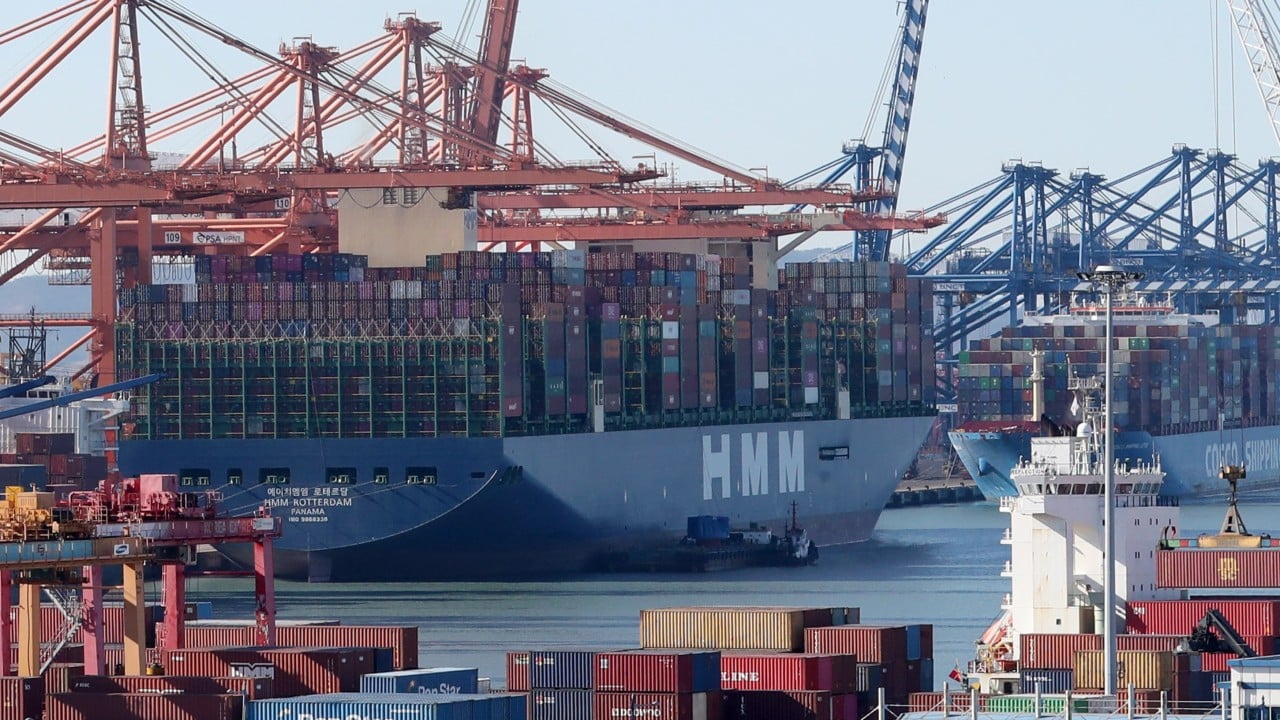
Brokers operating out of commercial hubs in Europe or the Middle East manage the paperwork, often mislabeling the cargo on manifests as herbal tea, fresh vegetables, or botanical specimens. Customs authorities face an overwhelming volume of legitimate air cargo passing through international gateways every single day. Inspectors cannot rip open every crate of leafy greens without grinding global supply chains to a complete standstill. Smugglers exploit this exact vulnerability. They hide illicit shipments within mountains of permitted agricultural goods, betting on statistical probability that their specific pallet will slip through uninspected.
Once the cargo touches down at an airport like BWI or larger entry points such as JFK or Dulles, the domestic tier takes over. Couriers with local delivery vans wait for clearance confirmation, ready to fan out toward residential drop points before the freshness window slams shut. The margins are astronomical precisely because the risks are so steep. A bundle that costs a few dollars to purchase at an open-air market in Nairobi or Addis Ababa can command dozens of times that price once it lands in the hands of end users in Columbus, Minneapolis, or Washington D.C.
Chemical Realities and Legal Gray Areas
To understand why this illicit trade persists despite aggressive federal enforcement, one must look closely at the pharmacology of the plant and the fragmented nature of global drug laws. Cathinone is structurally similar to amphetamine. Chewing the fresh leaves releases the alkaloid into the saliva, producing mild euphoria, increased alertness, and suppressed appetite. Culturally, the practice is deeply embedded in the social fabric of millions of people across countries like Somalia, Yemen, and Ethiopia, where afternoon chewing sessions function as community gatherings.
When these populations migrate, they bring their cultural habits with them. The demand does not evaporate simply because a legal border is crossed.
Jurisdiction creates bizarre legal contradictions. In the United Kingdom, khat was legal for decades before being classified as a Class C drug in 2014, a move that decimated legitimate import businesses and sent the trade entirely underground. In the United States, cathinone is a Schedule I controlled substance, placing it in the same legal category as heroin and LSD. Yet, synthetic derivatives of the chemical family—often marketed cheaply as bath salts or legal highs—have frequently bounced through legislative loopholes, creating a perverse market incentive where the natural, traditional plant faces severe federal penalties while synthetic variants mutate faster than legislatures can draft bans.
Federal prosecutors treat khat trafficking with strict severity, bringing felony smuggling and drug distribution charges against anyone caught running the supply chain. Despite these federal penalties, the financial rewards continue to attract new players willing to absorb the risk of a prison sentence. When one pipeline gets pinched at BWI, organizers simply reroute through alternative entry points, shifting volume to different cargo carriers or changing the port of entry entirely.
The Enforcement Paradox
Customs and Border Protection officers sit on the front line of an unwinnable war of attrition. Advanced imaging technology, canine units, and intelligence-led targeting help identify high-risk consignments, but the sheer volume of global trade acts as a massive camouflage shield.
Targeting agricultural smuggling requires a delicate balance. If inspectors crack down too aggressively on all incoming plant matter, they choke off legitimate multi-billion-dollar horticultural and agricultural imports that sustain grocery supply chains. Smugglers know this. They weaponize the complexity of global commerce against the regulators.
Border seizures make for effective press releases. They project competence and active deterrence, showcasing federal agencies intercepting contraband before it hits the streets. But viewing these seizures as decisive victories misses the broader economic reality. For every shipment intercepted at BWI, multiple others successfully navigate the gauntlet, clearing customs and feeding a subterranean economy that operates in plain sight.
The market remains resilient because it satisfies an inelastic demand driven by tradition, social bonding, and chemical dependence. As long as the profit margins compensate for the very real danger of federal indictment, the cargo planes will keep landing, the brokers will keep falsifying manifests, and the green bundles will keep moving through the dark corners of global logistics.