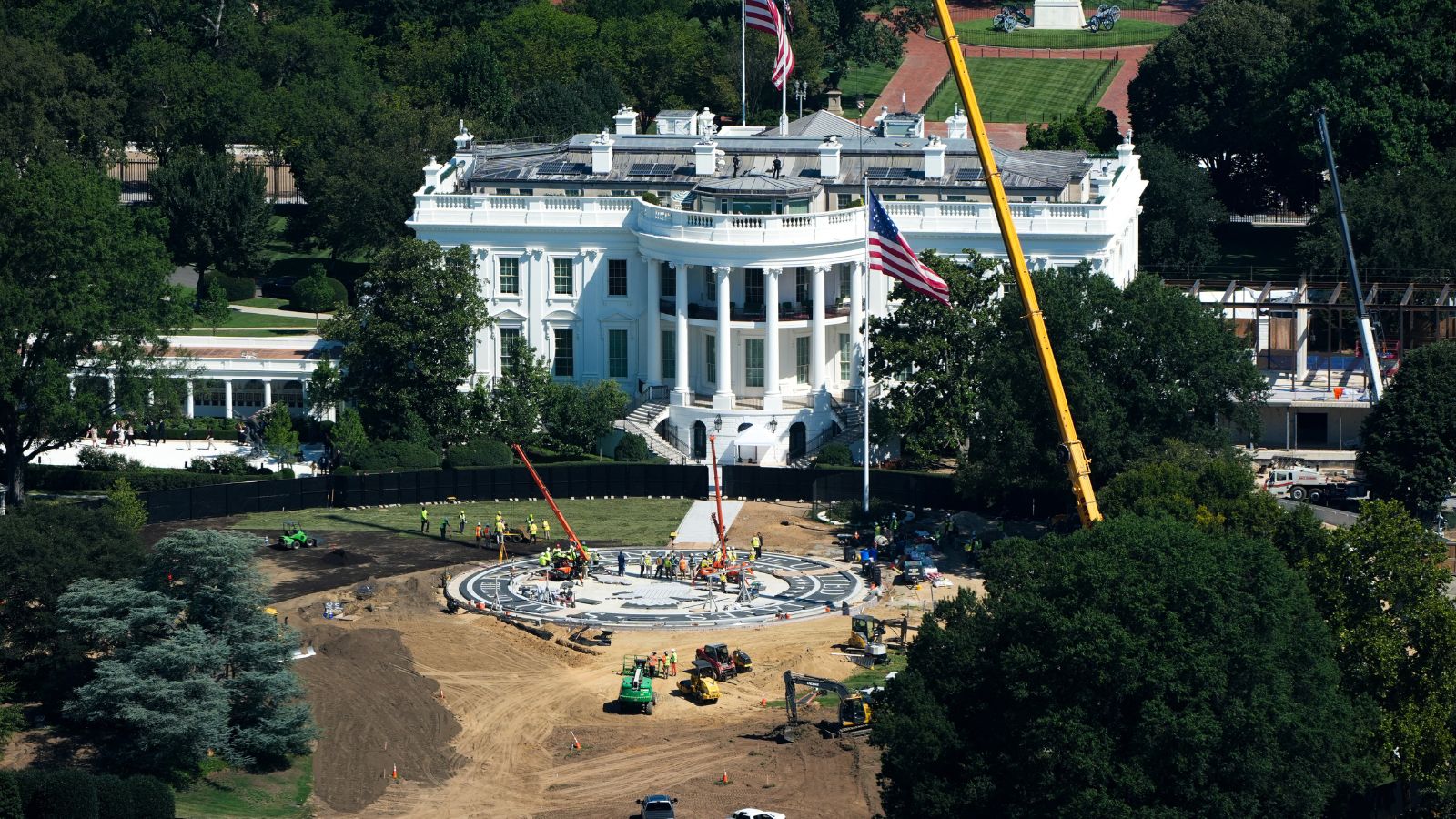
Demolishing the historic East Wing of the White House was just the beginning. President Donald Trump’s massive 90,000-square-foot ballroom project has ignited intense legal battles, massive budget scrutiny, and fierce debates over executive overreach. While headlines focus on the eye-watering price tag, the real story lies underneath the floorboards.
Forget traditional venue planning. This construction site involves heavily fortified underground infrastructure designed for presidential survival.
What the Official Plans Hide
When the administration first pitched the ballroom, the narrative centered on hosting large-scale state events without crowding the historic mansion. But court filings and internal documents tell a much deeper story. The architecture is deeply integrated with high-security survival systems.
The structure sitting on the former East Wing footprint is basically an armored compound. Court documents from the administration's legal fights against groups like the National Trust for Historic Preservation reveal that the project includes advanced bomb shelters, military installations, and complete medical facilities directly beneath the surface.
The Underground Legacy of White House Bunkers
Building survival spaces beneath the executive mansion isn't entirely new, but the scale of this modernization dwarfs previous efforts. The historical precedent dates back to 1942. Franklin D. Roosevelt authorized an underground bomb shelter after the United States entered World War II. Decades later, the Presidential Emergency Operations Center beneath the East Wing gained fame during crises like the September 11 attacks, when leaders were rushed down into secure holding areas.
Secret Service officials argued in court that an above-ground slab and heavy topping structure are required to properly protect and strengthen these critical legacy underground security layers. Without finishing the overarching project, security experts claim the agency cannot fully meet its statutory mission.
Funding Fights and Ballooning Costs
The financial footprint matches the physical one. While the White House consistently maintained that the ballroom would cost roughly $400 million funded strictly through private donations, investigative reports and internal project summaries from contractors like Clark Construction paint a different picture.
Leaked documents revealed that total project projections climbed much higher, with taxpayers potentially covering a significant portion through agency allocations from the Secret Service and the White House Military Office. Critics in Congress pointed to these figures as an end-run around congressional appropriation powers, especially since the executive branch moved forward without traditional legislative sign-offs.
High Stakes and Legal Showdowns
The legal drama reached peak intensity when federal courts stepped in. A federal appeals court previously upheld a preliminary injunction stopping above-ground construction, ruling that a president acts as a temporary tenant rather than an absolute owner capable of reshaping federal property without Congress.
The administration fired back, leveraging national security arguments and pointing to heightened threats to justify uninterrupted work. The Supreme Court eventually granted a temporary administrative stay allowing construction to press forward while the underlying legal challenges wind their way through the justice system.
The project features a drone-proof roof, advanced biodefense air-handling systems, and secure communication grids. Whether viewed as an essential modernization of aging executive infrastructure or an executive overreach funded by questionable means, this construction project permanently changes the physical landscape of the American presidency.
Trump fury as US court halts his $400m dollar ballroom project
This video provides an overview of the legal battles and political controversy surrounding the controversial White House ballroom construction.
http://googleusercontent.com/youtube_content/1