Egg production across Malaysia is under severe strain, and while seasonal haze and soaring tropical temperatures routinely take the blame, they are convenient smoke screens for a much deeper structural collapse. Blaming atmospheric pollutants and El Niño heatwaves for falling yields ignores the structural rot inside the nation's agricultural backbone. A complex web of capital flight, regulatory pressure, stubborn reliance on open-air coops, and staggering feed import costs are choking the supply chain long before smoke ever crosses the Malacca Strait.
When retail prices climb and supermarket shelves empty of trays, consumers are handed a simple meteorological narrative. Smoke obscures the sun, chickens get stressed, and production dips. But seasoned agricultural economists and livestock operators know the reality is far more expensive and systemic.
The Open-House Vulnerability
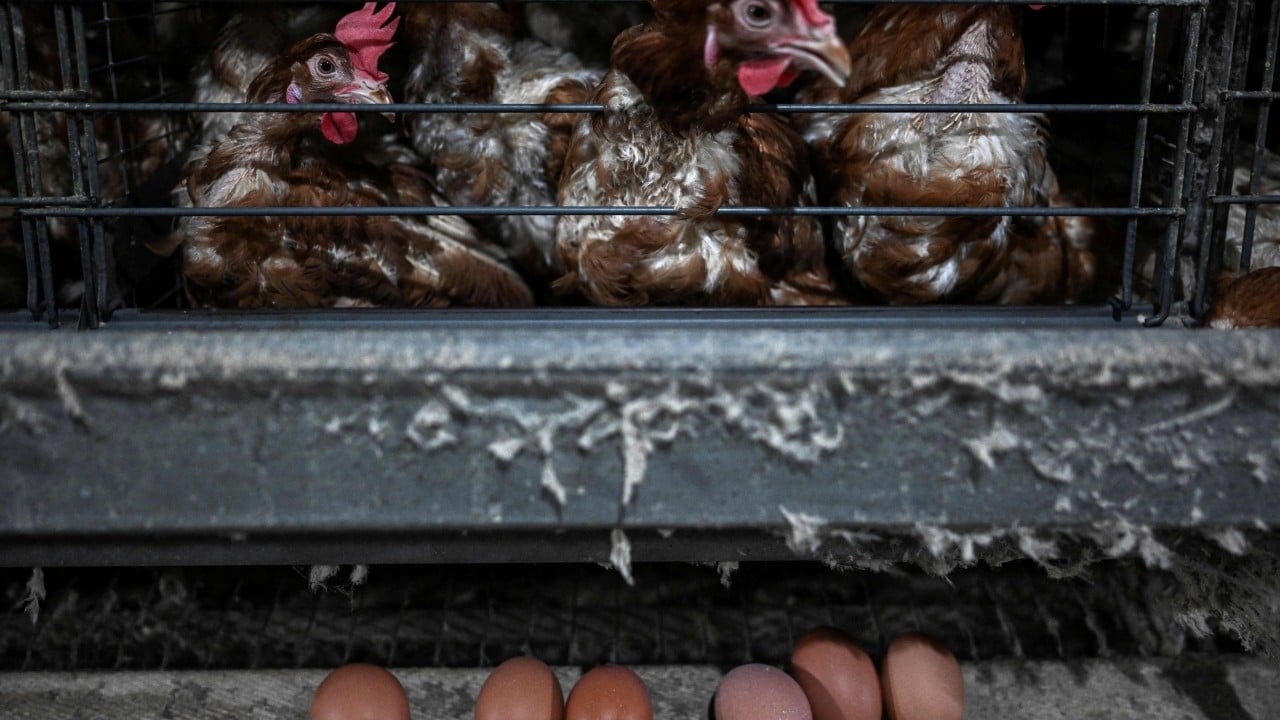
At the core of the crisis lies an archaic infrastructure problem. The vast majority of Malaysia's poultry farms still operate on open-house systems. These traditional coops leave flocks completely exposed to external ambient shifts. When local temperatures spike and regional haze blankets the peninsula, birds suffer immediate physiological distress.
Laying hens subjected to extreme heat reduce their feed intake to lower internal metabolic heat generation. Less food equals fewer nutrients diverted toward eggshell formation and yolk development. Production drops are mathematically predictable. Yet, pointing the finger solely at the weather absolves stakeholders from addressing why modernization has stalled.
Transitioning to fully climate-controlled, closed-house systems equipped with advanced tunnel ventilation and cooling pads mitigates these environmental shocks. These upgrades require capital investments running into millions of ringgit per facility. For independent operators operating on thin margins, modernizing is financially out of reach.
The Regulatory Squeeze and Structural Closures
Environmental enforcement has added another layer of attrition. State authorities have stepped up crackdowns on open-air farms over chronic waste management issues and fly infestations. Several operations have faced sudden suspensions, fines, or forced closures. While regulatory compliance is necessary for public health, these abrupt shutdowns remove millions of birds from the active supply chain overnight.
Small and medium-sized producers are caught in an impossible squeeze. Meeting strict modern sanitation and manure-handling mandates demands capital and labour that many generational family farms simply do not possess. The result is a quiet wave of consolidation. Close to half of the country's smaller independent farms have scaled back operations or exited the market entirely over recent cycles.
Production is increasingly concentrated among large, vertically integrated corporations capable of absorbing regulatory fines and investing in automation. When smaller players fold, national supply resilience diminishes, leaving the entire market vulnerable to localized disruptions.
Imported Vulnerabilities and Feed Costs
Environmental stress and regulatory pressure compound an even heavier financial burden: the cost of feeding the flock. Malaysia imports the vast majority of its corn and soybean meal, the primary caloric components of poultry feed, priced in volatile global commodities markets.
Currency fluctuations and international shipping friction mean farmers pay top dollar for raw inputs before a single egg is laid. When feed costs scale upward, producers face a brutal margin compression. Some respond by cutting corners on feed quality or delaying flock replacements, directly impacting productivity rates.
As market price ceilings are tested and removed, consumers bear the brunt through inflated retail prices. Yet higher prices at the checkout counter do not automatically translate to windfall profits for independent producers. Much of the margin is absorbed upstream by supply chain intermediaries and the high cost of imported raw materials.
The Real Cost of Looking Away
Accepting haze and heat as the primary culprits behind dwindling egg supplies is a comfortable delusion. It frames a man-made economic and structural failure as an act of nature.
Fixing Malaysia's poultry sector requires targeted financial instruments to help independent farms migrate to closed-house systems, streamlined biosecurity compliance frameworks, and long-term domestic feed grain initiatives. Until policymakers and industry leaders stop hiding behind seasonal weather patterns, production volatility will remain the permanent baseline.
The next shortage is already being manufactured by inaction on the ground.