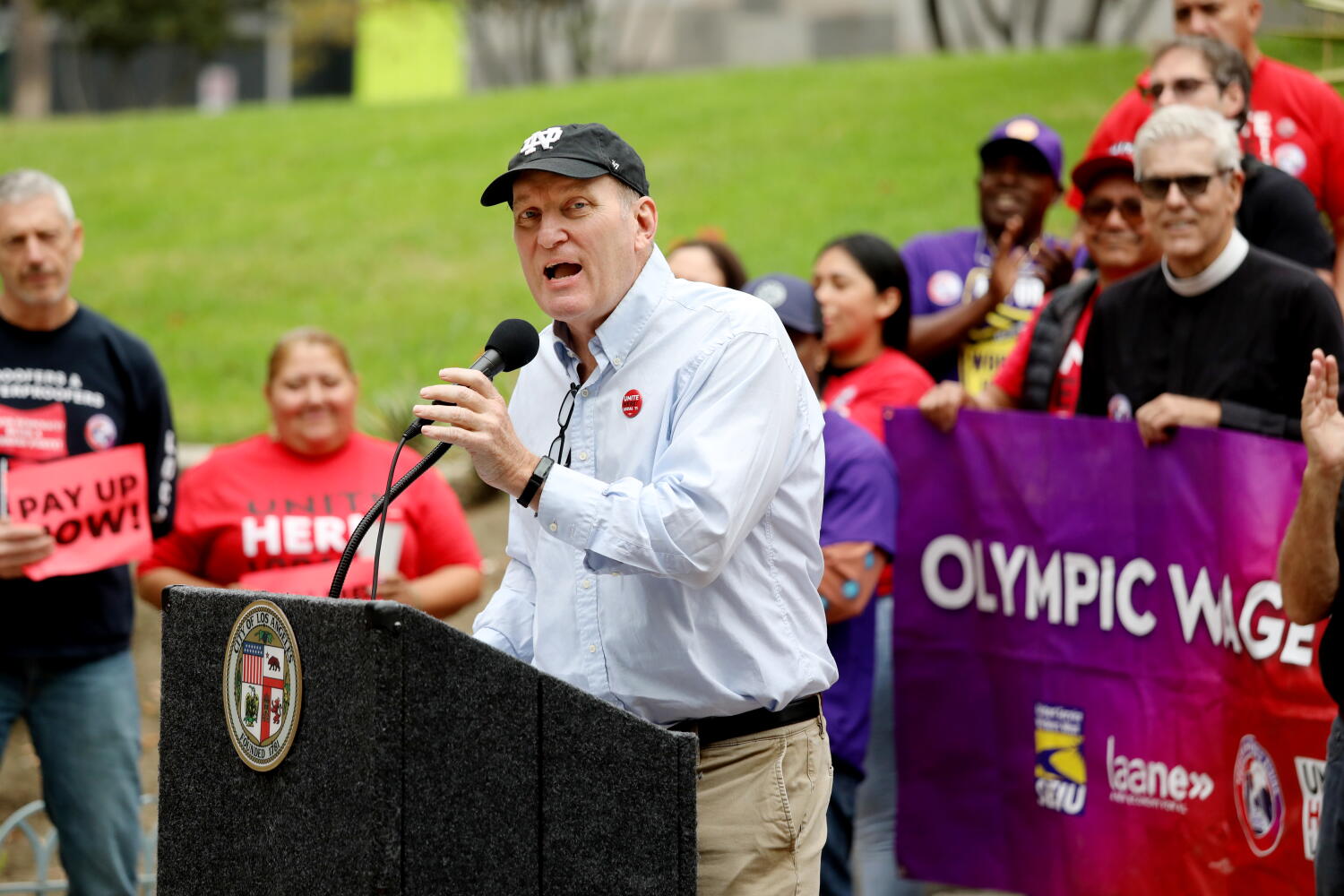
Los Angeles City Councilmember Nithya Raman secured a strategic backing from the Western States Regional Carpenters Union in her high-stakes mayoral runoff challenge against incumbent Mayor Karen Bass, injecting fresh turbulence into an already fractured municipal contest. While the broader organized labor establishment remains firmly lined up behind Bass, this localized defection highlights deep anxieties within the working-class coalition that traditionally anchors Democratic politics in Southern California. The matchup features two Democrats vying to steer a city grappling with persistent housing shortages, crumbling infrastructure, and an enduring affordability crisis.
The Weight of Institutional Power
Incumbent mayors rarely enter general election runoffs from a position of relative vulnerability. Bass captured roughly thirty-four percent of the primary vote, a clear signal that a significant portion of the electorate wanted an alternative to the municipal status quo. Yet, the institutional weight of the establishment remains formidable. Heavyweights including state and national party leaders have locked arms to protect the incumbent, alongside major service worker unions like SEIU 721, which view Bass as a reliable partner in protecting public sector interests.
Organized labor in Los Angeles has historically operated as a monolith during major municipal cycles. When major trade councils and public sector unions consolidate behind a candidate, the resulting machinery usually provides an insurmountable advantage in ground-game mobilization, volunteer pooling, and independent expenditure campaigns. Raman capturing the carpenters union breaks that script. It suggests that building trades, focused intensely on housing development velocity and construction jobs, are willing to break ranks with municipal service unions when they calculate that a challenger's platform offers a faster path to breaking through bureaucratic gridlock.
Policy Divergence on Growth and Housing
The friction between the two campaigns goes far beyond union calculus. At the center of the policy debate is how the city addresses its chronic shortage of housing units. Raman, an urban planner by training, has built her platform on aggressively streamlining housing approvals and challenging exclusionary zoning practices that have throttled construction for decades. Her supporters in the building trades argue that the city needs a massive surge in private and multi-family development to stabilize rents and generate steady employment for union members.
Conversely, the Bass administration points to its signature initiatives, such as Inside Safe and various municipal financing packages, as proof that incremental, targeted intervention yields results. Bass allies argue that the mayor has successfully reduced street encampments while securing historic commitments for affordable housing production. However, critics counter that the administration's pace remains too slow to meet the sheer magnitude of the crisis, leaving thousands of residents stranded in temporary fixes while housing costs continue to climb.
The Mechanics of Coalition Building
Elections in a metropolis of nearly four million people are won by stitching together disparate geographic and demographic coalitions. Bass relies heavily on a coalition of older homeowners, traditional Democratic stalwarts, and communities of color that value her decades of legislative experience in Washington and Sacramento. For these voters, stability and executive competence are paramount.
Raman draws her strength from younger, rent-burdened urban core residents, progressive activists, and voters frustrated by dirty streets and delayed municipal services. To expand her reach beyond her core base and overcome the mayor's institutional advantages, Raman must convince skeptics that her policy shifts on public safety and local governance are practical rather than purely ideological. Her campaign has sought to temper earlier, more radical stances, attempting to position her as a pragmatic manager rather than an uncompromising agitator.
The Road Ahead
As the general election campaign accelerates toward November, the battle for the remaining uncommitted labor locals and independent voters will dictate the trajectory of the race. Every debate stage and policy rollout now serves as a referendum on whether Los Angeles voters want continuity under an established leader or a sharp pivot toward a progressive alternative. The fracture in the labor movement is not merely a footnote in a local election; it is a symptom of a city trying to find its footing amid profound economic and social strain.