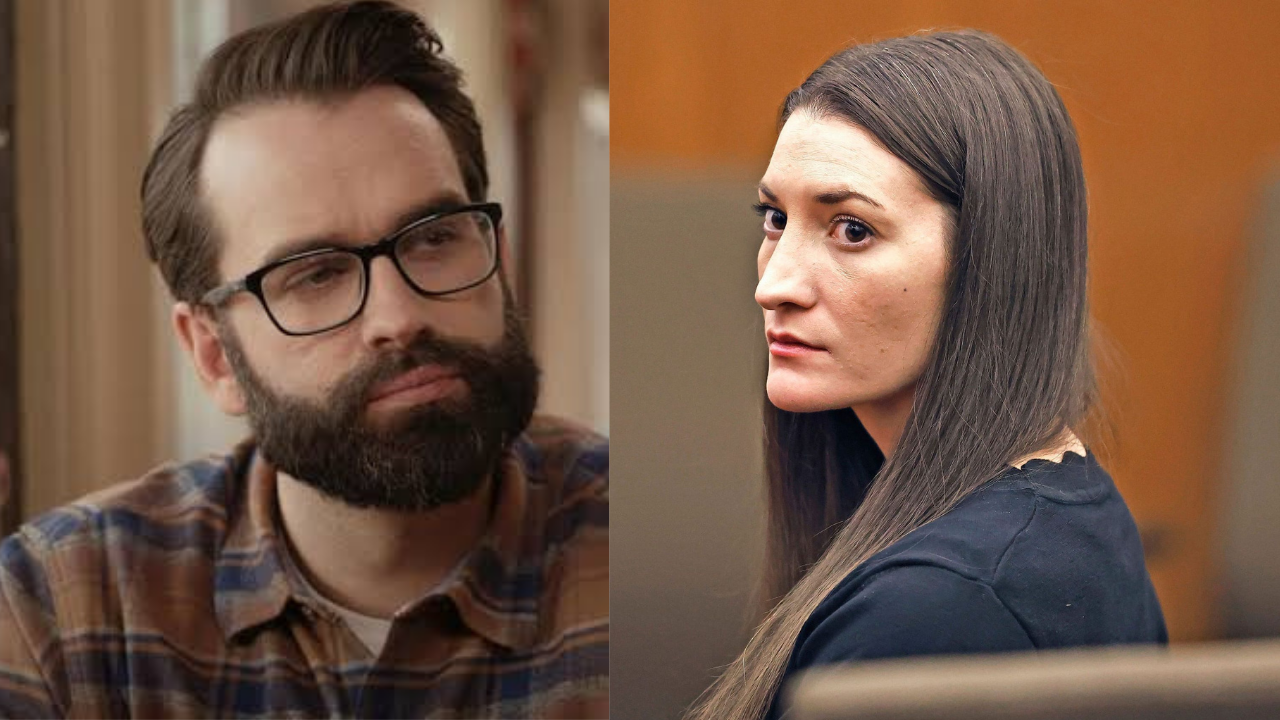
When media personalities demand a murder verdict in seventeen minutes, they reveal a profound misunderstanding of how human conscience operates inside a locked jury room. Commentator Matt Walsh recently labeled the extended deliberations in the Lindsay Clancy trial a total travesty, arguing that because the physical acts are undisputed, the legal outcome should be immediate. This perspective reduces a catastrophic collision of severe mental illness, pharmaceutical intervention, and criminal law into a binary math problem. But trials examining the outer boundaries of human sanity are rarely simple, regardless of how loudly talking heads bang the table.
The core of the matter in Plymouth Superior Court is not whether Lindsay Clancy strangled her three young children in January 2023—she has never disputed that she did. The twelve jurors, consisting of nine women and three men, are wrestling with a far heavier philosophical and medical burden: criminal responsibility. The defense contends that Clancy was drowning in the terrifying, reality-shattering depths of postpartum psychosis, supercharged by a cocktail of psychiatric medications that left her incapable of understanding the wrongfulness of her actions. The prosecution counters that her actions—such as sending her husband out of the house for takeout and a prescription—demonstrate a calculated premeditation incompatible with legal insanity. Read more on a similar topic: this related article.
External observers watching from the safety of social media feeds want clean lines. They want a world where horrific acts always map neatly onto rational malice. Yet, psychiatric forensics refuses to cooperate with that tidy worldview.
The Anatomy of a Deliberation Delay
When a jury takes days rather than minutes to deliberate, casual critics often interpret the pause as weakness or confusion. History suggests the exact opposite. Extended deliberations frequently signal a conscientious panel methodically tearing apart conflicting expert testimonies, reviewing physical exhibits like prescription pill bottles and the weapon used in the subsequent suicide attempt, and testing their own assumptions against the stringent legal standard of lack of criminal responsibility. Additional reporting by The Guardian explores similar perspectives on the subject.
A hasty verdict in a high-profile infanticide case rooted in maternal mental health would indicate a rush to emotional judgment rather than sober legal analysis. When jurors request specific evidence regarding medical dosages and historical timelines, they are doing the precise job the court asked them to do. They are refusing to rubber-stamp a narrative, whether that narrative comes from prosecutors pushing for a first-degree murder conviction or pundits demanding instant retribution.
The anxiety surrounding the jury's timeline stems from what a not-guilty-by-reason-of-insanity verdict represents to the public imagination. Critics fear that acknowledging postpartum psychosis as a complete defense opens a legal loophole for heinous crimes. This fear treats the insanity defense as an easy escape hatch, ignoring how vanishingly rare, heavily scrutinized, and notoriously difficult it is to successfully argue in an American courtroom.
The Reality of Postpartum Psychosis
To understand why this jury is struggling, one must look past the stark horror of the crime scene and examine the insidious mechanics of postpartum psychosis. Unlike standard postpartum depression, which involves persistent sadness and anxiety, psychosis is a complete break from reality. Sufferers experience command hallucinations, profound delusions, and a total collapse of cognitive control.
Medical professionals testified at length during the multi-week trial about how rapidly a mind can deteriorate under the weight of severe hormonal shifts and improperly managed pharmacological treatments. For a mother experiencing this acute state, delusions can dictate that killing her children is a merciful act to save them from an imagined catastrophe. To outsiders, the steps taken before the act look like planning. To a brain trapped inside a psychotic delusion, those same steps can be desperate maneuvers dictated by a corrupted internal logic.
This friction point is precisely what the jury must untangle. Did Clancy retain a sufficient grasp of reality to form malicious intent, or was she a passenger in a mind completely hijacked by a medical crisis? Pundits can shout about timelines and premeditation on internet broadcasts, but they did not sit through weeks of agonizing medical testimony or pore over the psychiatric records of a woman who attempted to take her own life immediately after destroying her family.
The Stakes Beyond the Courtroom
The outcome of this trial carries implications that stretch far beyond one family's tragedy in Duxbury, Massachusetts. Maternal mental health advocates have watched the proceedings with profound anxiety, noting that how the legal system treats severe postpartum illness impacts whether future mothers will seek help for dark intrusive thoughts. If society treats all postpartum mental breaks as straightforward criminal conspiracies, the stigma surrounding psychiatric distress deepens, driving vulnerable parents further into isolation.
Conversely, a verdict that holds individuals fully accountable despite documented neurological catastrophe risks alienating the medical consensus on how childbirth impacts brain chemistry. The legal system was built centuries before modern neuroscience mapped the physical effects of postpartum neurosteroid crashes and adverse drug reactions. When these ancient legal frameworks collide with modern psychiatric realities, friction is inevitable.
The delay in the jury room is not a travesty. It is the sound of a democratic institution straining under the weight of an almost impossible moral inquiry. While commentators chase engagement metrics by demanding instant blood or instant absolution, twelve ordinary citizens are left holding the pieces of a broken reality, forced to decide where human pathology ends and criminal culpability begins. They are taking their time because they understand that once this precedent is set, there is no erasing the consequences.