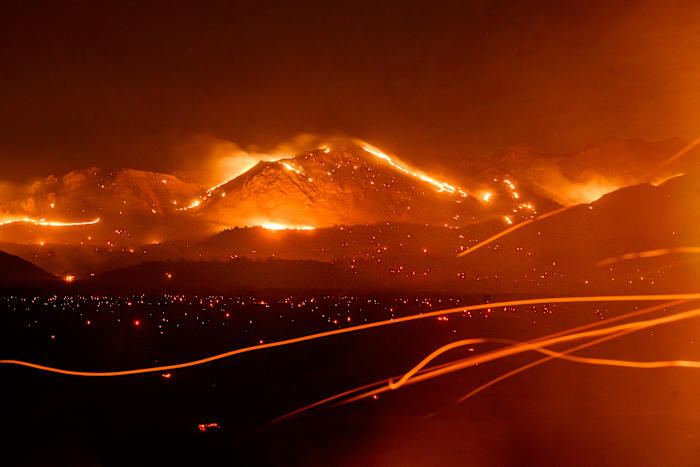
Indonesia is deploying fleets of aircraft to dump millions of gallons of water over blazing peatlands across Sumatra and Kalimantan, executing a desperate annual ritual designed to suppress raging forest fires before toxic haze chokes neighboring countries. The primary driver behind these recurrent ecological disasters is not merely an unpredictable dry season or accidental ignition. Instead, a complex mix of commercial land conversion, degraded hydrology, and systemic enforcement gaps continues to feed an unstoppable cycle of destruction. Year after year, millions of hectares of carbon-dense earth burn, releasing staggering volumes of greenhouse gases into the atmosphere while emergency measures treat the symptoms rather than the disease.
The Hydrological Disaster Beneath the Canopy
Surface flames capture the public imagination, but the real catastrophe takes place underground. Healthy peatlands function as natural sponges, soaking up monsoon rains and maintaining high water tables that keep organic matter saturated and fire-resistant. Decades of drainage for agricultural expansion disrupted this delicate balance entirely.
When commercial operators dig canals to dry out peat so they can plant oil palms or pulpwood trees, they fundamentally alter the ecosystem. Dried peat transforms into a subterranean powder keg. Once ignited by a discarded cigarette or a deliberate land-clearing spark, underground fires burn silently beneath the surface. Water dropped from a firefighting helicopter extinguishes the visible blaze above, yet the embers smolder out of reach in the peat layers, reigniting the moment temperatures rise and winds pick up.
Dry peat fires defy standard suppression techniques. Heavy rain provides temporary relief, but prolonged dry spells trigger subterranean combustion that can persist for months. Billions of dollars spent on aerial water bombing campaigns amount to expensive band-aids applied to a patient suffering from internal hemorrhaging. Until restoration efforts focus on blocking drainage canals and rewetting the peat, the sky will keep turning orange.
Economic Incentives Versus Ecological Survival
Cheap land-clearing methods drive much of the destruction. Mechanical clearing requires heavy machinery, substantial fuel expenditures, and considerable labor costs. Setting a match to the underbrush costs next to nothing.
Smallholders and large agribusiness supply chains often intersect in murky ways. While corporate sustainability pledges prohibit the use of fire, independent suppliers frequently rely on traditional slash-and-burn tactics to prepare plots for the next planting cycle. Concession boundaries blur across remote provinces, making liability difficult to establish in a court of law. When fires cross from smallholder farms into corporate holdings, enforcement agencies face an uphill battle to assign blame and collect fines.
Financial penalties for illegal burning remain low compared to the profits generated by rapid land conversion. A corporate entity facing a nominal fine treats it simply as an operational expense rather than a deterrent. Regulatory bodies have increased monitoring via satellite imaging and ground patrols, yet bureaucratic delays and jurisdictional disputes between central ministries and local governments frequently stall meaningful intervention.
The Regional Cost of Atmospheric Drift
Smoke does not respect international borders. Every dry season, the toxic haze generated by Indonesian peat and forest fires drifts across the Malacca Strait, blanketing Singapore, Malaysia, and parts of southern Thailand in a thick, hazardous smog. Air quality indices plummet into dangerous territory, shutting down schools, grounding flights, and sending thousands of citizens to hospitals with acute respiratory distress.
Diplomatic friction inevitably follows. Neighbors voice frustration over Jakarta's inability to control the blazes within its borders. In response, Indonesian officials point to foreign-owned corporations operating within the archipelago, arguing that multinational capital shares the blame for financing unsustainable agricultural practices. Finger-pointing overshadows regional cooperation, even as meteorological agencies warn that climate shifts will likely lengthen future dry seasons.
Beyond the Water Bombs
Aerial firefighting fleets provide essential emergency support when fires threaten populated areas or critical infrastructure, but relying on them as the primary defense strategy is a failing proposition. Shifting the trajectory requires a hard pivot toward prevention and ecosystem restoration.
Restoring drained peatlands demands sustained capital investment and strict enforcement of hydrological rules. Communities living on the forest fringe need viable economic alternatives that do not depend on clearing new land every few seasons. As long as economic incentives favor quick conversion over long-term stewardship, the fires will return with every dry wind, turning annual emergency responses into a permanent fixture of regional life.