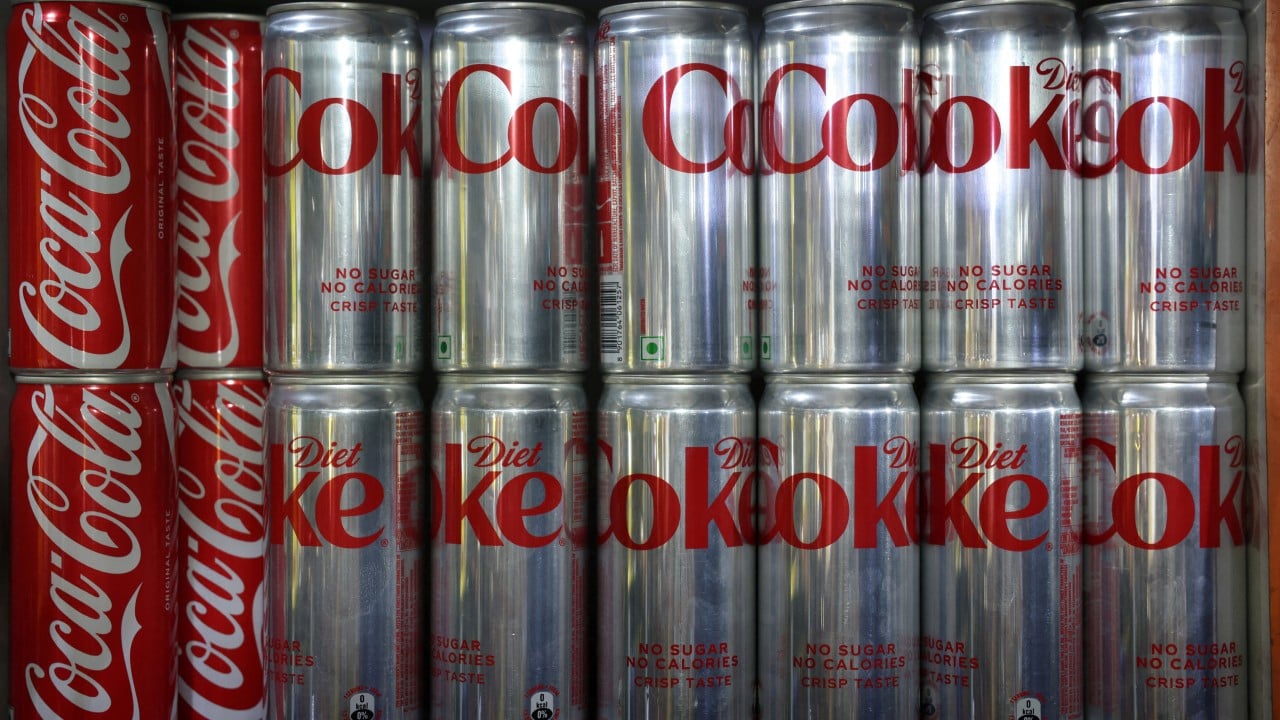
Diet Coke and canned beverage prices across urban centers in India are surging because geopolitical hostilities involving Iran have choked critical maritime trade routes and disrupted regional aluminum supply chains. When military escalations flare up around West Asia, the immediate fallout spreads far beyond crude oil markets. Shipping lanes in the Red Sea and the Persian Gulf face severe delays, war-risk insurance premiums soar, and freight rates spike overnight. For Indian beverage manufacturers reliant on imported aluminum coil and finished can stock, the resulting friction transforms a localized regional conflict into an immediate domestic inventory crisis.
Retail shelves in Delhi, Mumbai, and Bengaluru are already feeling the pinch. Store managers report inconsistent deliveries of 300ml beverage cans, while prices on delivery apps and specialty grocers have shot up dramatically. The core problem is not a shortage of the liquid beverage itself. It is a structural bottleneck in packaging logistics.
The Maritime Bottleneck Smothering Beverage Logistics
The beverage industry runs on razor-thin schedules. Modern bottling plants do not store months of extra aluminum cans in warehouses because warehouse storage space consumes capital without generating profit. Instead, plants rely on tightly managed, just-in-time shipping schedules.
When conflict near Iran disrupts primary shipping corridors, that entire delicate model fractures. Vessels bound for ports along India’s western coast, such as Nhava Sheva and Mundra, are forced to reroute. Long detours around the Cape of Good Hope add weeks to transit times and double fuel expenditure.
The direct consequences ripple through every tier of the supply chain:
- Container Freight Surcharges: Ocean carriers impose emergency war-risk surcharges on cargo moving anywhere near conflict zones, driving up the cost per container by thousands of dollars.
- Turnaround Delays: Freight vessels stuck waiting for safe passage cannot return to origin ports to load new shipments, creating a compounding backlog of empty containers.
- Upstream Smelting Distortions: Energy market instability in West Asia pushes up production costs for regional aluminum smelters, directly inflating raw material spot prices.
When freight rates double in a fortnight, beverage companies face an unpleasant choice. They can absorb the operational losses or pass the price hikes straight to retail consumers.
Why Canned Beverages Are Uniquely Vulnerable
Not all packaging formats suffer equally during a maritime crisis. PET plastic bottles and glass bottles are predominantly produced using domestic Indian raw materials and localized manufacturing setups. Aluminum cans are a completely different story.
High-speed canning lines require aluminum coil with precise thickness and high tensile strength to withstand internal pressure from carbonation. A significant portion of this high-grade aluminum coil, alongside specialized beverage can ends, is sourced internationally or manufactured using imported ingots.
+-------------------------------------------------------------------+
|               THE ALUMINUM CAN SUPPLY CHAIN SNAP                |
+-------------------------------------------------------------------+
| West Asian Regional Tensions -> Maritime Shipping Rerouted        |
|                                                                   |
|   --> Freight Rates & War Insurance Premiums Spike                |
|   --> Delays in Imported Aluminum Coil & Ingot Shipments          |
|   --> Indian Packaging Plants Face Inventory Depletion            |
|   --> Bottlers Ration Cans & Raise Retail Prices                  |
+-------------------------------------------------------------------+
When raw material shipments stall at sea, packaging plants must reduce production speeds or shut down lines entirely. Bottling plants running at half capacity still face fixed overhead costs. To maintain operational margins, distributors allocate scarce can stock to high-margin accounts while raising wholesale prices across the board.
The Margin Squeeze on Local Distributors
Small-scale distributors and neighborhood retailers bear the brunt of the shock. While corporate headquarters debate long-term procurement strategies, local vendors face angry customers and empty shelves.
Consider a hypothetical example of a mid-sized beverage distributor in Gurgaon. Under normal market conditions, the distributor orders five hundred cases of canned soda weekly at fixed wholesale rates, maintaining a two-day inventory buffer. When a supply shock hits, the master bottler cuts the distributor’s allocation by forty percent and adds a surcharge to cover rising freight fees. The distributor cannot absorb a fifteen percent margin reduction on an already low-margin product. Within forty-eight hours, those cost increases appear on the retail price tag.
The impact hits urban, higher-income demographics first because canned sodas—particularly sugar-free variants like Diet Coke—are overwhelmingly consumed in metropolitan centers through modern trade channels, quick-commerce platforms, and restaurants. Unlike mass-market PET bottles sold at every roadside kiosk, the canned format caters to a premium market segment that is sensitive to availability but capable of paying higher prices when stock runs low.
The Limits of Packaging Substitutions
Why do bottlers not simply shift all production to glass or plastic until the crisis passes? In theory, swapping a line from aluminum to plastic sounds straightforward. In practice, it is an operational nightmare.
Bottling lines are specialized industrial machinery. A line designed to fill and seal 1,200 aluminum cans per minute cannot magically adapt to fill glass bottles or blow-molded PET containers. Retrofitting a manufacturing facility requires months of capital investment, re-tooling, and quality-control testing.
Furthermore, consumer expectations dictate packaging choices. Premium outlets, hotels, and flight caterers explicitly request canned sodas for storage efficiency and brand presentation. A major hotel chain will not accept crate loads of heavy, breakable glass bottles as a direct substitute for compact, stackable cans.
Geopolitical Instability as a Permanent Supply Risk
For years, multinational beverage giants treated global procurement as a solved equation. You buy raw materials from whoever offers the lowest unit price, ship them across open oceans, and run lean factories.
Recent events demonstrate the danger of that assumption. Regional conflicts in West Asia, maritime choke points, and fluctuating energy costs are no longer temporary anomalies. They are structural risks that corporate procurement strategies must account for permanently.
Companies that survive these supply shocks intact are those already moving away from single-region sourcing. Building secondary manufacturing facilities closer to end markets, securing long-term price hedges on raw aluminum, and maintaining strategic buffer stocks of critical packaging inputs are no longer optional luxuries. They are basic requirements for business continuity.
As long as primary shipping channels remain vulnerable to regional military flashpoints, the cost of a cold soda on the streets of Mumbai will remain tied to events unfolding thousands of miles away in West Asia.
.png)