Chinese President Xi Jinping’s phone call on April 20, 2026, to Saudi Crown Prince Mohammed bin Salman (MBS) was not a routine diplomatic check-in. It was an urgent intervention aimed at the world’s most dangerous maritime choke point. Xi’s message was blunt: the Strait of Hormuz must return to "normal passage" immediately. With the artery that carries 20% of the world’s oil and liquefied natural gas (LNG) effectively paralyzed for weeks, the call signals that Beijing’s patience with regional chaos has evaporated. China is no longer just a customer; it is now a power player demanding a ceasefire in the escalating hostilities between the United States and Iran that have brought global energy markets to the brink of collapse.
Since late February 2026, the Strait has been a graveyard for international trade. Following U.S. and Israeli air strikes against Iranian targets, the Islamic Revolutionary Guard Corps (IRGC) declared the waterway closed to any vessel linked to Washington or its allies. Shipping traffic plummeted from an average of 218 daily transits to nearly zero. Brent crude prices spiked to $126 per barrel in March, the fastest monthly increase in recorded history. For Beijing, which relies on the Middle East for over half of its crude imports, this isn’t just a foreign policy headache. It is an existential threat to its industrial economy.
The Choke Point Reality
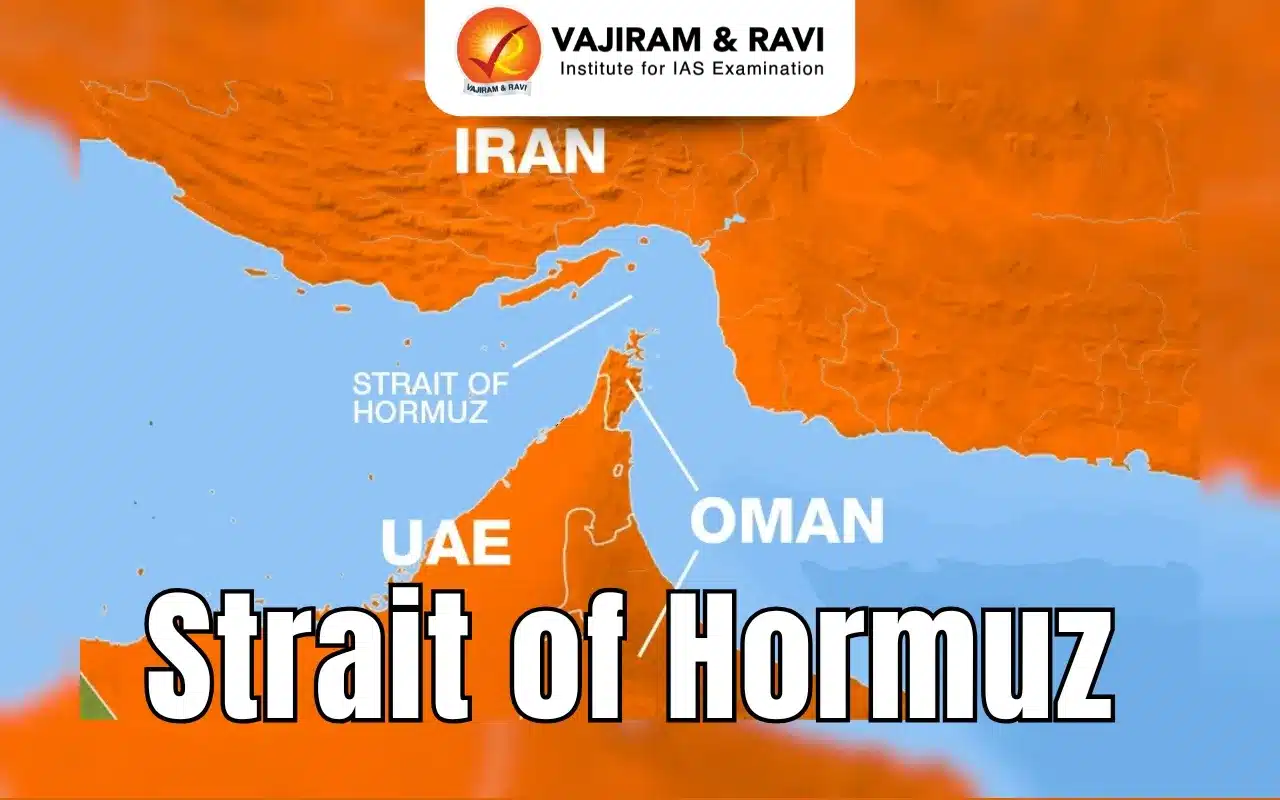
The Strait of Hormuz is a geographical bottleneck only 21 miles wide at its narrowest point. Because the shipping lanes—each only two miles wide—lie within Iranian and Omani territorial waters, the legal and military control of the passage is precarious. Iran’s use of "shadow fleet" tactics and sea drones has successfully forced major carriers like MSC to divert over 1,000 shipments a day to ports outside the Gulf, such as Sohar in Oman or Hambantota in Sri Lanka.
These diversions are not a solution. Unlike the Red Sea crisis of years past, there is no "long route" around the Persian Gulf. If the oil cannot leave through the Strait, it remains trapped. Major Saudi ports like Jebel Ali and Abu Dhabi have seen their outbound traffic evaporate. Xi’s insistence on "strategic mutual trust" with MBS is a recognition that the Saudi-China partnership, now in its tenth year, is the only remaining axis capable of pressuring both Tehran and Washington toward a de-escalation.
China’s Exceptional Status Under Fire
While Western vessels have been targeted by Iranian sea drones and missiles, Chinese tankers have navigated a different reality. Many commercial ships in the region have begun broadcasting "China Crew" on their Automatic Identification System (AIS) signals, hoping to buy safety through Beijing’s perceived neutrality. This "exceptional status" is a double-edged sword. While it protects some cargo, it puts immense pressure on Xi to deliver stability that the U.S. Navy—currently engaged in active hostilities—cannot.
The recent seizure of an Iranian-flagged vessel by the U.S. military on April 20 served as the immediate trigger for the Xi-MBS dialogue. China’s Foreign Ministry labeled the move a "forced seizure," a sharp rhetorical jab at Washington. However, the private tone between Xi and MBS likely focused on the grim math of the blockade. Saudi non-oil exports had hit a record 624 billion riyals in 2025, a momentum now threatened by the total shutdown of Gulf logistics.
The Strategic Shift in Riyadh
For Crown Prince Mohammed bin Salman, the relationship with China has evolved from a trade hedge to a vital security pillar. During the call, MBS reportedly emphasized that the "current warfare" undermines the security of all Gulf states. Riyadh finds itself in a bind. While it maintains a security umbrella with the U.S., its economic future is inextricably linked to the East.
Saudi Arabia is no longer content being a spectator in its own backyard. The Kingdom has been coordinating with the Chinese navy, which has increased its presence in the Gulf of Oman through "Maritime Security Belt" exercises with Russia and Iran. This trilateral naval cooperation is a direct challenge to the traditional U.S.-led maritime order. Xi is betting that by positioning China as the "responsible major country" that respects regional sovereignty, he can broker a ceasefire that Washington’s military-first approach has failed to achieve.
Logistics of a Global Crisis
The economic repercussions of a closed Hormuz are staggering. Beyond oil, the blockade has disrupted the supply of aluminum, fertilizer, and helium—commodities where the Gulf holds significant market share.
- Diversion Surge: A 360% increase in vessel rerouting has overwhelmed secondary ports.
- Infrastructure Strain: Indian gateways like Mumbai and Mundra are seeing arrival delays of up to 49 days as they struggle to process cargo that should have gone through the Gulf.
- Insurance Collapse: War risk premiums for the Persian Gulf have effectively made uninsured transit a suicide mission for smaller operators.
China’s "Belt and Road" interests are also under fire. The friction between the Chinese Navy and Israeli naval units in the Red Sea has already forced Beijing to rethink its maritime security posture. The call to MBS was a signal that China is ready to use its "Comprehensive Strategic Partnership" to bypass traditional Western diplomatic channels.
The Ceasefire Gambit
Xi’s demand for an "immediate and comprehensive ceasefire" between the U.S. and Iran is a bold gamble. It assumes that Beijing has enough leverage over Tehran to force a reopening of the Strait and enough influence in Riyadh to ensure the Saudis don't fully align with the U.S. military response.
The move attempts to frame the U.S. as the disruptor and China as the stabilizer. By calling for regional countries to "hold their future in their own hands," Xi is explicitly telling MBS that the era of Western-guaranteed security is over. The success of this strategy hinges on whether the IRGC will listen to Beijing when its own territorial survival is at stake.
The Strait remains volatile. Ship-tracking data shows no sign of the blockade lifting. While Xi and MBS exchange diplomatic pleasantries about "good-neighborliness," the reality on the water is one of burning tankers and idle refineries. China has finally stepped into the role of Middle East power broker, but it has done so at a moment when the region is closer to total war than at any point in the last half-century.
The next 48 hours will determine if the Xi-MBS axis can actually move the needle. If tankers do not begin moving through Hormuz soon, the global economy will face a contraction that makes the 1970s energy crisis look like a minor market correction. China has made its play. Now the world waits to see if Tehran and Washington are willing to blink.


