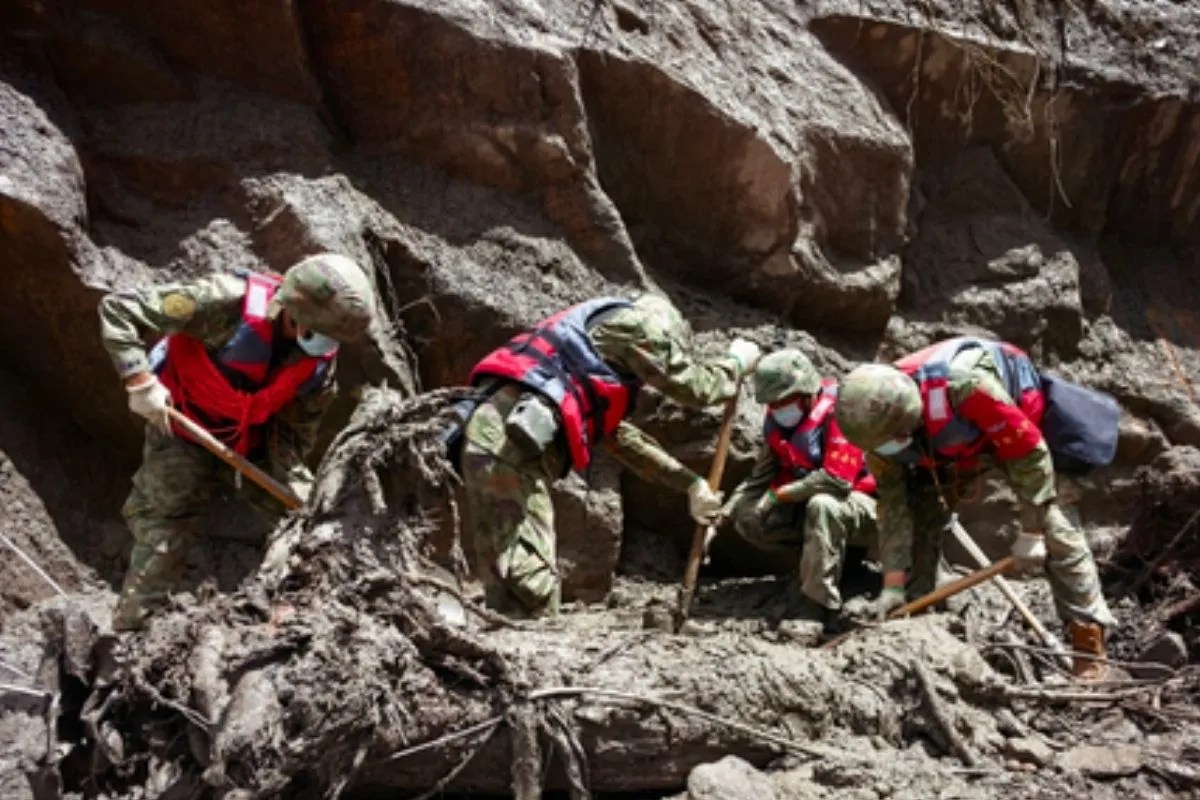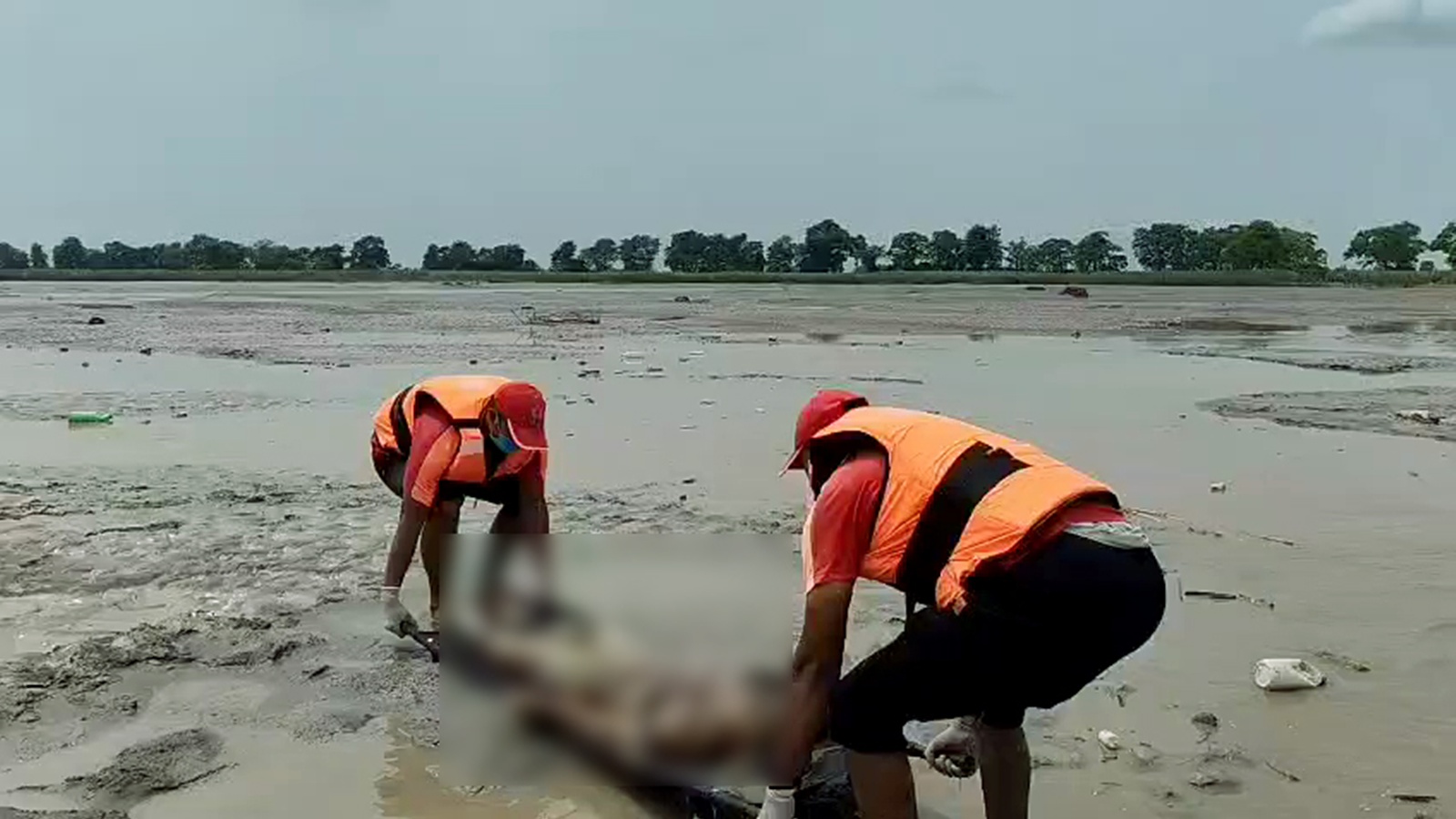
The water didn't rise gradually. It arrived as a violent wall of liquid concrete, moving so fast that people had seconds to choose between running for high ground or watching their homes vanish. When a massive section of a Himalayan glacier sheared free and crashed into the valley below, it triggered a catastrophic chain reaction across the rugged frontier between Nepal and the Tibet Autonomous Region of China.
Three days after the initial disaster, emergency crews are still unearthing the true scale of the devastation. The death toll has climbed past 500 across the region, while more than 1,400 people remain unaccounted for. Tourist groups, local villagers, and infrastructure projects bore the brunt of a flash flood that experts say exposed the terrifying fragility of high-altitude ecosystems under pressure.
What Actually Triggered the Disaster
When the roar first echoed through the mountains near the Langtang national park and the Gyirong border post, local authorities initially suspected a powerful earthquake. Seismographs registered a 5.2 magnitude tremor, which initially confused observers on the ground.
Scientists at the US Geological Survey later clarified what really happened. A chunk of ice measuring roughly 0.2 square kilometers broke off from an altitude of around 5,200 meters and plunged 1.2 kilometers straight down onto the valley floor.
The sheer force of that impact generated the seismic shockwave. More dangerously, it instantly pulverized millions of tons of ice, snow, and rock. Combined with the water of the Lhende Khola and Trishuli river systems, this debris mixture bulged into a high-speed torrent.
Water levels in parts of the Trishuli River surged by as much as nine meters in just thirty minutes. Rivers turned into roaring liquid mudslides that wiped out bridges, roads, multi-story buildings, and hydro-power installations.
The Human Cost and Rescue Bottlenecks
The timing and geography of the flood turned a remote natural event into a multi-national human crisis. The valleys carved by these rivers are vital travel corridors and home to heavy pilgrimage traffic, including international tourists visiting holy sites near Mount Kailash.
Hundreds of foreign nationals from countries including the United States, India, and Canada are among the missing. Pilgrimage groups, such as those organized near the border, found themselves directly in the path of the torrent. In Tibet, a multi-story port building and an entire bus parking lot at the Gyirong crossing were swallowed by over a meter and a half of dense mud.
Search and rescue operations face brutal conditions. More than 30,000 security personnel have been deployed by the Nepalese government, but roughly 40 kilometers of vital roadways have been completely destroyed or choked with debris. Helicopters are struggling to land in heavily impacted pockets like Rasuwa because raging waters and unstable slopes make landing zones unsafe.
A Looming Secondary Threat
The danger hasn't passed just because the initial wave has gone downstream. Satellite monitoring and aerial reconnaissance have revealed a frightening secondary hazard: a newly formed, swollen lake at the confluence of regional rivers near the border.
This barrier lake has accumulated millions of cubic meters of water and continues to receive heavy inflows. Chinese and Nepalese water resource ministries have issued urgent warnings that the natural dam could breach, triggering a secondary flash flood wave that threatens downstream communities all over again. Downstream residents have been placed on high alert while engineering teams attempt to monitor stability using drones.
Why the Himalayas Are Growing More Dangerous
This catastrophe isn't an isolated anomaly. It follows a deeply concerning pattern of glacial instability across the Hindu Kush Himalaya range. Research shows that regional glaciers are melting at an accelerating pace, losing massive volumes of ice over the last three decades due to rising global temperatures.
As permafrost degrades and temperatures climb, mountain slopes lose their structural integrity. Glacial lakes expand behind fragile debris walls, and hanging glaciers become prone to sudden, massive collapses. Last year, a similar glacial overflow caused deadly flash floods in the same river networks, proving that high-altitude infrastructure must adapt rapidly to a shifting climate reality.
For now, attention remains fixed on the muddy wreckage of Nuwakot and Rasuwa, where families wait anxiously for news while relief crews dig through the sludge. Check local foreign ministry advisories if you have family traveling in the region, and monitor official emergency bulletins for updates on the unstable border lakes.