The tension between the executive branch and the central bank has reached a boiling point. As Washington pushes for aggressive monetary easing to juice economic growth and counter international trade disadvantages, the Federal Reserve finds itself pinned between political demands and the stubborn reality of sticky inflation. This collision is not merely a political theater act. It is a fundamental disagreement over who controls the financial machinery of the United States.
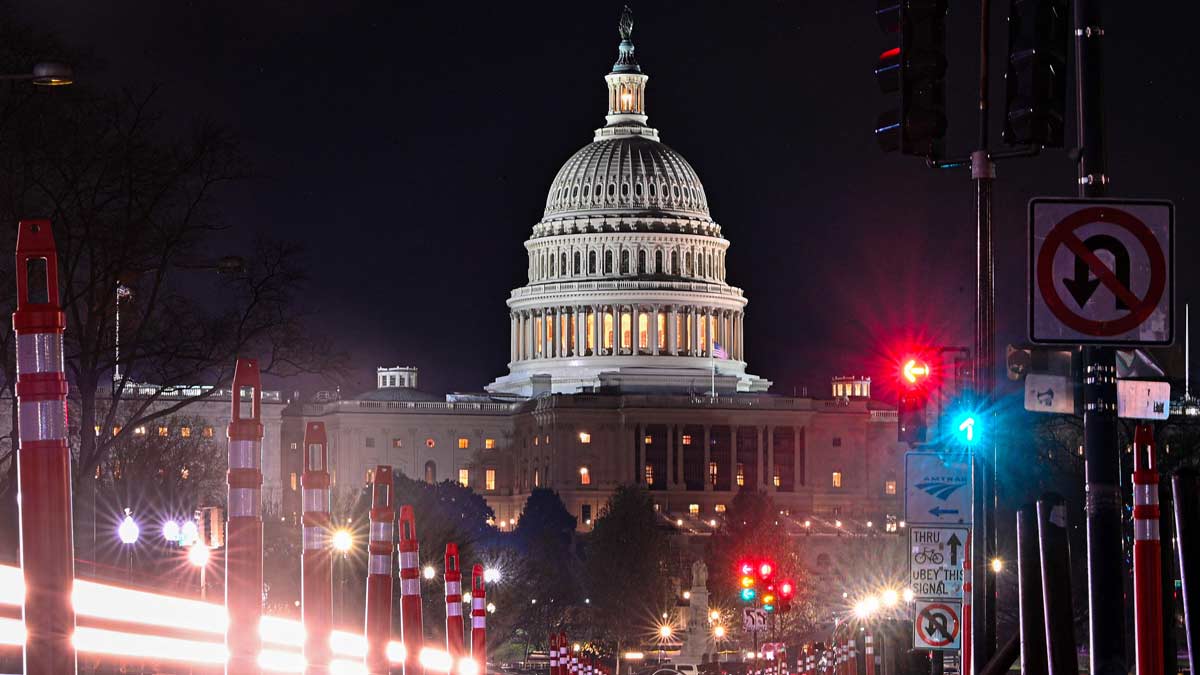
At the center of this battle is a profound mismatch in timelines. Elected officials answer to short political cycles, where high borrowing costs hurt consumer sentiment ahead of midterms or general elections. Central bankers operate on multi-year horizons, theoretically insulated from the ballot box to prevent short-term populism from destroying long-term price stability. When the White House demands an immediate slash in interest rates, it treats the cost of capital as a dial that can be turned up or down at will. The institution on Constitution Avenue views that same dial as a precision instrument calibrated to prevent an inflationary spiral.
The Anatomy of Political Pressure
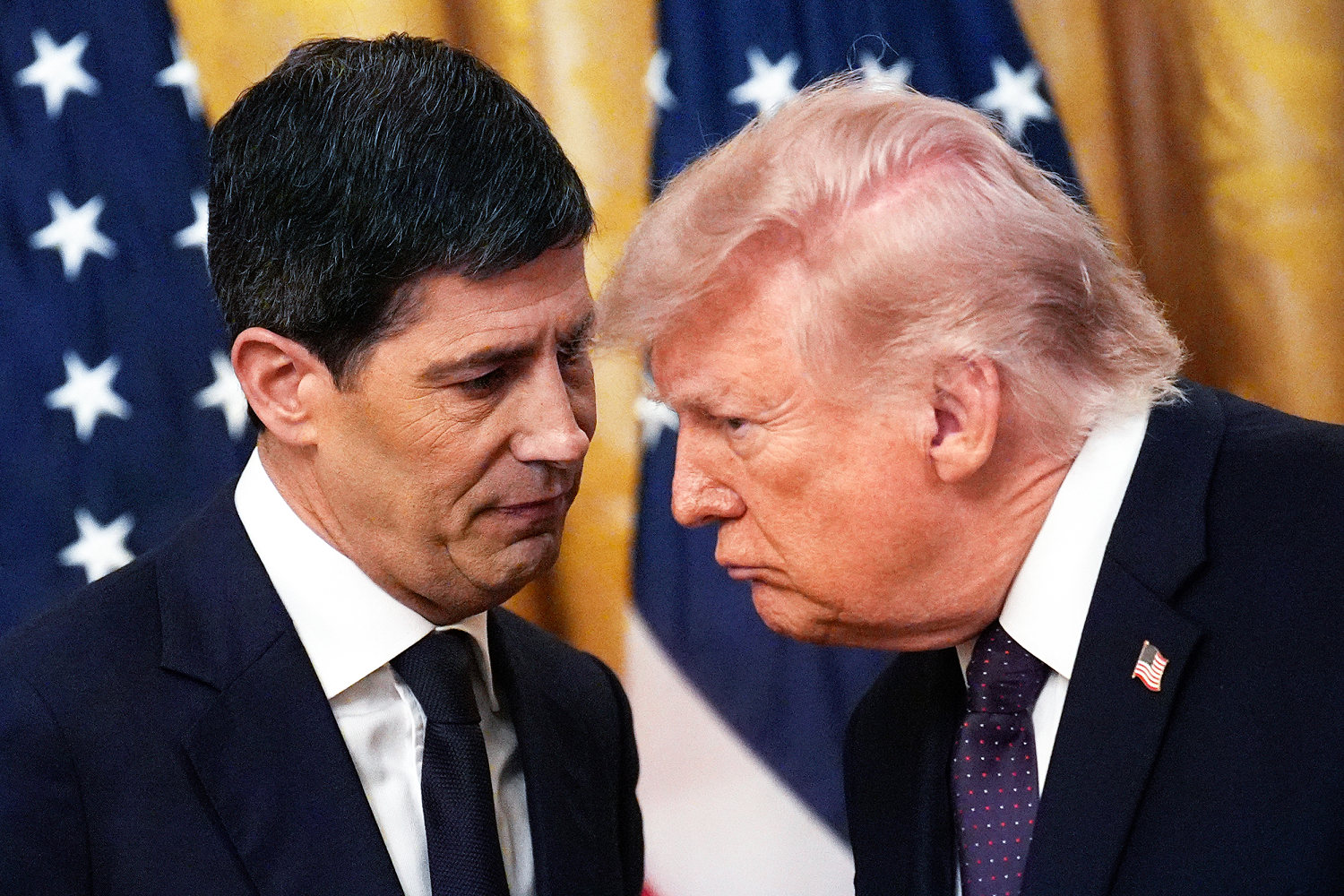
Presidential jawboning of the central bank is older than most modern monetary theories, but the current cadence is unprecedented in its directness. Past administrations often whispered their displeasure through back channels or subtle op-eds from sympathetic economists. Today, public ultimatums are broadcast across social media platforms, linking monetary policy decisions directly to trade threats and national loyalty.
This creates a dangerous psychological environment for monetary policymakers. Even if individual governors possess the institutional backbone to ignore the noise, the sheer volume of public hostility alters the pricing of risk in private markets. Bond traders begin pricing in a risk premium not just for economic variables, but for institutional degradation. If the market believes monetary policy is being dictated by executive fiat rather than incoming data, long-term yields can spike precisely when short-term rates are forced down, neutralizing the intended stimulus.
To understand why this friction is so dangerous, look at the underlying economic indicators driving both sides. Proponents of a rate cut point to robust productivity numbers and the need to maintain competitive credit terms globally. They argue that high borrowing costs penalize domestic capital investment, strangling expansion before it can materialize.
Conversely, the data coming out of price indexes tells a more complicated story. Energy price shocks and persistent service-sector inflation mean that headline numbers often sit well above the central bank's stated targets. Easing credit conditions into an active inflationary environment is the historical equivalent of pouring gasoline on an ember. The central bank's primary mandate requires a cold, unyielding focus on consumer purchasing power, even when the political cost of maintaining high rates becomes deafening.
The Myth of Easy Monetary Fixes
The fundamental flaw in demanding lower interest rates to solve structural or trade imbalances lies in a basic misunderstanding of what monetary policy can achieve. Lowering the benchmark rate reduces the cost of short-term borrowing, but it does not fix supply chain bottlenecks, labor shortages, or geopolitical energy shocks.
Imagine a hypothetical scenario where a central bank folds under political pressure and slashes rates by a full percentage point despite persistent price pressures. Initially, equity markets might rally, and short-term corporate debt issuance would surge as companies lock in cheaper financing. Within quarters, however, the excess liquidity filters through the broader economy, bidding up the cost of goods and eroding real wage gains. Consumers realize that their cheaper car loans are offset by skyrocketing grocery and utility bills. The political relief of the initial rate cut evaporates into the reality of degraded purchasing power.
This mechanism explains why institutional insulation was built into the system in the first place. The architects of modern central banking understood that politicians will almost always choose the sweet poison of immediate economic stimulation over the bitter medicine of long-term stability.
The Cost of Compromised Credibility
Central bank credibility is remarkably difficult to build and terrifyingly easy to spend. For decades, the Federal Reserve anchored global financial stability because markets believed its models were divorced from partisan politics. When that belief fractures, the consequences ripple globally. Foreign holders of U.S. sovereign debt begin demanding higher yields to compensate for the perceived risk of currency debasement.
The current leadership at the Fed walks a razor-thin line. Navigating leadership transitions while managing an economy buffeted by external supply shocks and relentless internal pressure requires a masterclass in strategic ambiguity. Every press conference is scrutinized for signs of weakness, and every hold on rates is interpreted as an act of defiance or compliance.
The confrontation between the executive branch and monetary authorities will not end with a single policy announcement or a temporary compromise. It is a structural tug-of-war that defines the modern economic landscape. As the data continues to fluctuate between employment gains and stubborn price growth, the space for diplomatic monetary policy is rapidly shrinking.
The institution will either hold its ground as an independent arbiter of financial reality or yield to the immediate demands of political expediency, trading long-term stability for short-term applause.