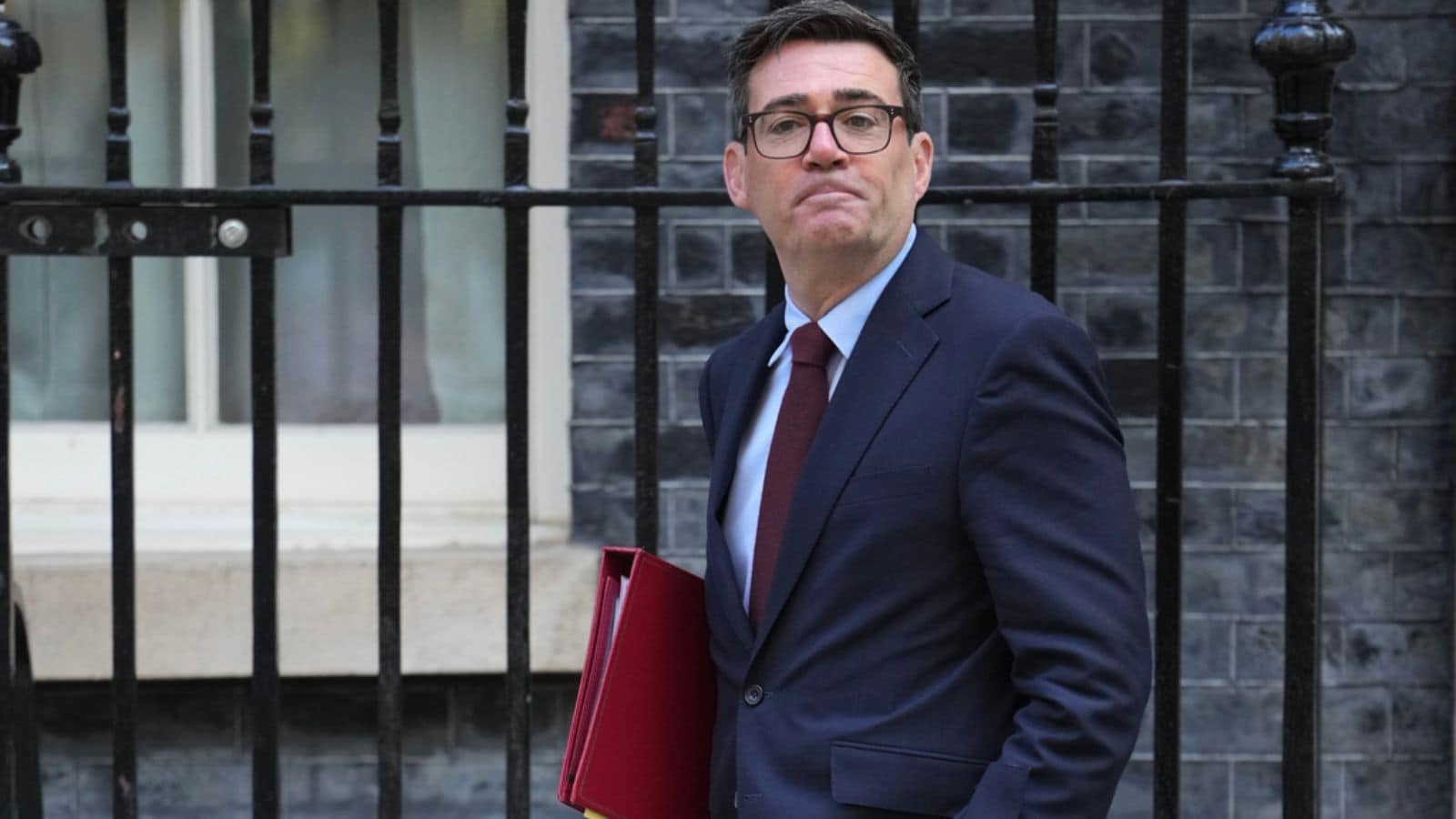
Ten years after the electorate tore up the postwar consensus, British politics is playing for high, dangerous stakes once again. Prime Minister Andy Burnham stepped up to the podium and delivered an assessment that sent immediate tremors through Whitehall and Brussels alike. The Brexit arrangement handed down by his predecessors simply has not worked.
For years, mainstream political actors treated the 2016 referendum outcome as a permanent constitutional boundary line. To question it openly was to invite immediate populist backlash or accusations of democratic betrayal. Burnham’s calculated pivot breaks that taboo entirely. By declaring that the nation lost more than it gained from the departure, Downing Street is no longer whispering about administrative tweaks. They are preparing the ground for a structural renegotiation that threatens to upend domestic party lines just as the political map fractures under pressure from Reform UK and shifting voter loyalties.
The underlying catalyst for this sudden candor is cold, unyielding arithmetic. Economic forecasters and institutions like the Bank of England have consistently tracked the long-term drag of non-tariff barriers, regulatory divergence, and severed supply chains. Per capita gross domestic product sits noticeably lower than counterfactual projections had the country remained inside the single market. Small- and medium-sized exporters face permanent margin erosion from customs paperwork and veterinary checks. What began as an ideological victory has settled into an ongoing economic penalty, paid daily by manufacturers, service providers, and households caught in a prolonged cost-of-living squeeze.
Yet the political calculus extends far beyond balance sheets. Burnham faces a fragmented electoral landscape where traditional tribal loyalties have evaporated. The rise of insurgent populist right-wing movements has forced a radical re-evaluation of how Labour holds together its coalition. By targeting the friction of the current trade arrangement—promising targeted deals on food standards, energy markets, and youth mobility—the administration is attempting a difficult tightrope walk. They want to win back pragmatic voters alienated by economic stagnation without triggering an immediate counter-mobilisation from committed leavers.
Brussels watches this maneuver with guarded skepticism. European capitals remember years of grueling friction, bad-faith maneuvering, and unpredictable leadership from London. While European Commission officials are broadly receptive to easing friction on trade and security cooperation, they have made it clear that piecemeal alignment or cherry-picking benefits without accepting regulatory obligations remains a non-starter. Any meaningful shift back toward European integration demands structural trade-offs that neither British political party has historically been eager to present to the public.
The gamble is massive. If the administration delivers tangible economic relief—slashing red tape for exporters or lowering food prices at the checkout—it could redefine the national conversation for a generation. Should the effort stall against European intransigence or domestic partisan warfare, it risks alienating both sides of an electorate that remains just as bitterly divided today as it was a decade ago. The emperor has no clothes, and the political fallout has only just begun.


