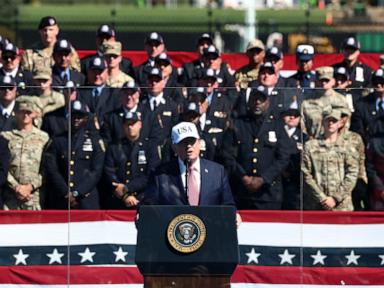
Control of the United States Senate rests on a knife-edge, and the party apparatus is fracturing over how close to stand to the top of the ticket. As Republican operatives and candidates gather in Dallas for a high-profile midterm convention headlined by Donald Trump, vulnerable incumbents and challengers locked in brutal state battles face a stark calculation. Show up and tie your political fate to an increasingly polarizing leader, or skip the festivities and risk the wrath of the MAGA base.
This tension exposes deep structural friction within the modern conservative coalition. Midterm cycles historically punish the party holding the White House. When an administration suffers from lagging approval numbers and contentious policy standoffs, down-ballot nominees running in purple or blue-leaning states must walk a razor-thin line. They need low-propensity populist voters to show up in November, yet they also need suburban swing voters who recoil from unfiltered partisan maximalism.
The Dallas convention, styled by organizers as a massive base-energizing spectacle, presents this paradox in sharp relief. For a candidate running in a ruby-red district where the populist base rules supreme, the arena floor is mandatory ground. For a senator or challenger fighting for survival in a state where presidential popularity has slumped, standing side-by-side with national leadership under flashing convention lights can gift opponents an immediate ad-buy narrative.
Strategy meetings behind closed doors reveal a party at war with its own math. Campaign managers point to historical precedent showing that down-ballot candidates outperform national figures by localizing races around economic pocketbook issues and regional competence. Yet, the national party machinery insists on framing every contest as a referendum on the sitting president. This top-down pressure forces nominees into a defensive posture, reacting to national headlines rather than driving local agendas.
Consider the compounding weight of candidate quality and primary friction. In several critical jurisdictions, fiercely loyal primary challengers unseated more moderate or establishment-aligned incumbents, leaving the party with nominees who carry heavy baggage or face intense skepticism from traditional donor networks. When these nominees lean entirely into national rallies, they risk alienating the independent funding sources necessary to finance a competitive media blitz in expensive multi-market states.
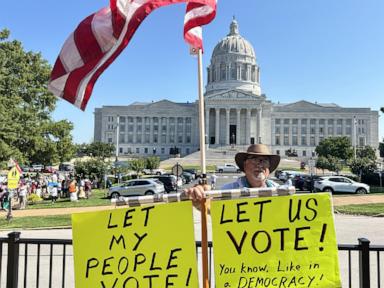
Meanwhile, national legislative friction compounds the electoral headache. High-profile legislative impasses in Washington, ranging from blocked housing packages to intense fights over voting legislation and foreign policy, force senators to answer for executive branch decisions that they did not author and cannot easily defend to moderate constituents. When leadership demands absolute ideological alignment, it strips vulnerable lawmakers of the independent branding they require to survive tough political terrain.
The financial disparity further complicates the landscape. While national committees push for uniform messaging and attendance at massive set-piece events, local campaigns are quietly hoarding cash for localized ground games. Independent expenditure groups note that every dollar spent hauling delegations to a centralized convention is a dollar not deployed toward door-to-door voter contact or targeted digital outreach in suburban precincts where elections are actually decided.
Ultimately, the choice facing these candidates is not merely about an itinerary. It is a fundamental referendum on the identity of the party heading into a volatile legislative showdown. Those who embrace the national spectacle gamble their entire political future on the turnout power of a single charismatic figure, while those who stay home and tend to their local roots bet that political survival requires a very wide berth.
The ballots cast in November will determine which side of the gamble paid off, leaving a fractured caucus to pick up the pieces of a strategy born out of profound anxiety.