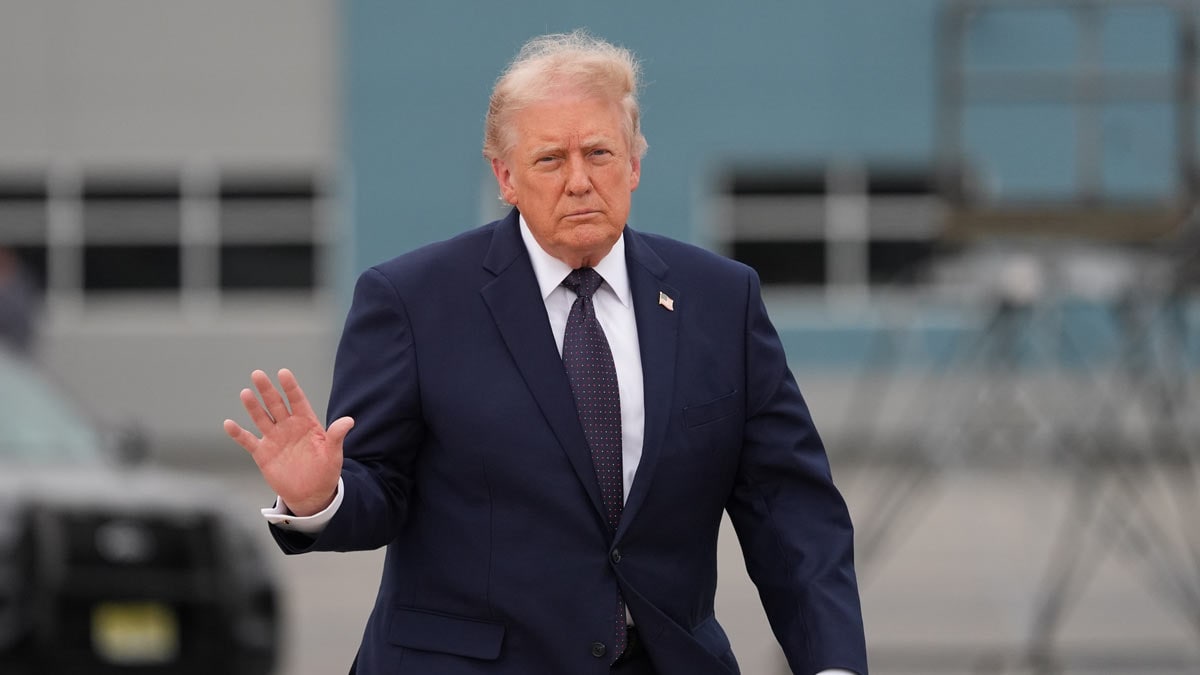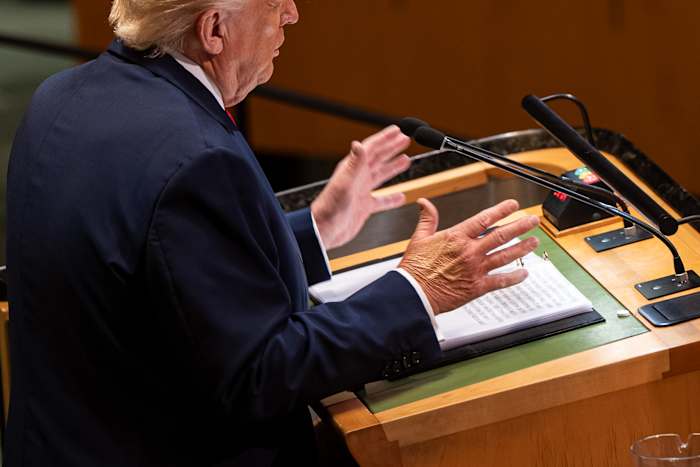
The United States president stood at the green marble podium of the United Nations General Assembly and declared that artificial intelligence should be renamed superintelligence, dismissing global safety frameworks as bureaucratic hand-wringing. Across the assembly hall, delegations from targeted states shifted uncomfortably, while others simply walked out. It was a quintessential snapshot of modern multilateral diplomacy. The institution built to prevent international anarchy is increasingly functioning as a high-stakes megaphone for populist grievance.
For decades, the headquarters on the East River of Manhattan operated under a shared, if frequently violated, consensus. Nations pretended that international law mattered more than raw power projection. Today, that thin veneer has cracked completely. When leaders use the world's premier diplomatic stage to issue direct threats of annihilation against sovereign states—as witnessed during the ongoing confrontation with Iran—the UN ceases to be a forum for conflict resolution. It becomes a theater for ultimatums.
Behind closed doors, career diplomats and foreign policy veterans admit that the structural decay runs deeper than any single speech or administration. The Security Council remains paralyzed by perpetual vetoes. Major powers treat multilateral treaties as optional guidelines rather than binding commitments. When global crises erupt, from regional wars in the Middle East to the chaotic expansion of autonomous technological systems, the UN apparatus responds with strongly worded resolutions that carry zero enforcement teeth.
The friction over technological governance highlights this institutional impotence. While European allies and international bodies push for strict containment measures and ethical boundaries on machine learning tools, Washington and other major capitals reject oversight as an impediment to national competitiveness. There is no global consensus because there is no longer a shared reality. One bloc views advanced algorithms as an existential threat requiring immediate multilateral treaty control. Another views them merely as an economic weapon to be seized and dominated before geopolitical rivals do.
Consider the economic isolation campaigns waged against regional adversaries. Rather than utilizing the UN economic frameworks designed for sanctions management, powerful nations bypass the body entirely, enforcing compliance through secondary sanctions and unilateral financial muscle. The international civil servants walking the corridors of the Secretariat building are left managing humanitarian logistics while the actual architecture of global security is negotiated in bilateral backchannels and military command centers.
This hollowed-out state raises an uncomfortable question for taxpayers and global citizens alike. If the primary function of the world body has devolved into a glorified speaking club where powerful actors trade insults and walk out in protest, maintaining its multi-billion-dollar physical footprint is an exercise in diplomatic nostalgia. Reforming the system would require major powers to surrender sovereign prerogatives—an outcome that grows less likely with every passing election cycle.
The glass palace on the river will continue to host its annual autumn summits. Leaders will travel in armored motorcades, read prepared statements to half-empty halls, and pose for photographs that signify unity that does not exist. Meanwhile, the real decisions shaping the century—how military algorithms are deployed, how international supply chains are weaponized, and which nations face economic strangulation—will be settled outside its walls.