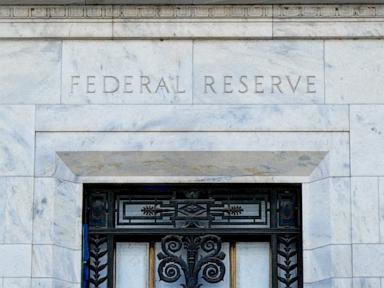
The Federal Reserve is trapped. For months, the central bank maintained a fragile narrative that the post-pandemic pricing pressures were firmly under control, enabling a series of interest rate cuts late last year that brought the benchmark federal funds rate down to its current target range of 3.50% to 3.75%. That narrative just shattered. The consumer price index accelerated to 4.2% in May, marking a three-year high and forcing newly appointed Fed Chair Kevin Warsh into an immediate, high-stakes policy corner at his very first interest rate meeting.
Standard financial reporting frames this as a simple math problem, suggesting that a sudden spike in energy costs means the Fed will merely hit pause on future rate cuts. The truth is far more dangerous. The central bank is facing an internal rebellion, a severe geopolitical supply shock, and structural inflation that interest rates alone cannot fix. In related developments, we also covered: The Hidden Stakes of the Invisible Trillion.
The Mirage of the Energy Shock
Mainstream analysis attributes the entire inflation flare-up to a single variable, the conflict with Iran and the subsequent energy shock. It is true that energy costs surged 23.5% over the past twelve months, with gasoline prices skyrocketing by 40.5%. The broader consensus insists that because this spike is driven by geopolitical volatility rather than domestic demand, the Federal Reserve can afford to look through it, treating it as a temporary anomaly.
This is a profound miscalculation. Geopolitical shocks do not exist in a vacuum; they bleed directly into the structural costs of running an economy. When diesel, aviation fuel, and shipping costs rise, they alter the baseline pricing for grocery distribution, retail manufacturing, and municipal services. The Economist has provided coverage on this fascinating subject in extensive detail.
Consider a hypothetical example. A national supermarket chain does not absorb a 40% sustained increase in logistics costs out of corporate goodwill. It passes those expenses down to the consumer, translating a temporary commodity spike into permanent retail price hikes. We are already observing this transmission. Food inflation has ticked up to 3.1%, and apparel has climbed 4.8%. The "transitory" defense failed the central bank three years ago, yet policymakers are dangerously close to leaning on the same flawed logic today.
The Fractured Open Market Committee
Behind the closed doors of the Federal Open Market Committee, the illusion of central bank unanimity has completely evaporated. The cracks began showing clearly during the spring sessions, culminating in an extraordinary 8-4 vote to hold rates steady. A split of that magnitude has not occurred within the Federal Reserve since October 1992.
The division is deeply strategic. One faction, terrified of choking off economic growth and destabilizing a fragile banking sector, is desperate to resume rate cuts. The opposing faction recognizes that core inflation, which strips out volatile food and energy metrics, has quietly crept up to 2.9%, its highest mark since late 2025.
This core metric proves that price pressures are no longer confined to crude oil tankers in the Persian Gulf. They are deeply embedded in the domestic service economy. Shelter inflation remains stubbornly elevated at 3.4%, and broader services are running at 3.5%. The central bank cannot cut its way out of a services inflation problem without risking a full-blown wage-price spiral, yet raising rates further threatens to trigger severe distress across regional banking portfolios holding underwater commercial real estate debt.
The Real Earnings Erosion
While Wall Street focus remains fixed on the precise percentage points of the Fed's next move, the true crisis is unfolding across private nonfarm payrolls. Real average weekly earnings for American workers fell by 0.15% in May alone. Over the past twelve months, real hourly earnings have dropped by a staggering 2.33%.
The math is brutal and unavoidable.
$$\text{Real Earnings Growth} = \text{Nominal Wage Growth} - \text{CPI Inflation}$$
When CPI accelerates to 4.2% while wage growth stalls, households suffer an immediate, measurable reduction in purchasing power. This drop in real wages exposes the fundamental flaw in current monetary policy. The Federal Reserve is trying to cool an economy using demand-side tools (higher borrowing costs) when the underlying inflation is being driven by supply-side shocks (geopolitical energy disruptions and shipping bottlenecks).
Raising interest rates does not produce more oil. It does not untangle international supply chains. It simply punishes the domestic consumer and drives down real wages further, compounding the financial pain of inflation with the added burden of more expensive credit card debt, auto loans, and mortgages.
The Warsh Doctrine on Trial
Kevin Warsh takes the helm at a moment where the conventional monetary playbook offers no clean exits. The market expects the central bank to project stability, but the updated Summary of Economic Projections will likely reveal that policymakers are entirely blind to where the inflation ceiling actually sits.
If the Fed holds rates steady at 3.50% to 3.75%, it risks letting inflation expectations de-anchor, as the three-year consumer inflation expectation metric has already ticked up to 3.1%. If it capitulates to the hawkish minority and signals a rate hike, it will shock a bond market that has spent the last six months pricing in an economic softening.
The central bank's tools are spent. Decades of relying on interest rate manipulation to cure structural macroeconomic shifts have left the Fed with an impossible choice, defend the currency by crushing the domestic consumer, or protect asset prices by letting inflation run hot. The June meeting will not provide an answer; it will merely expose how little control the Federal Reserve actually possesses over the current economic reality.
.jpg)