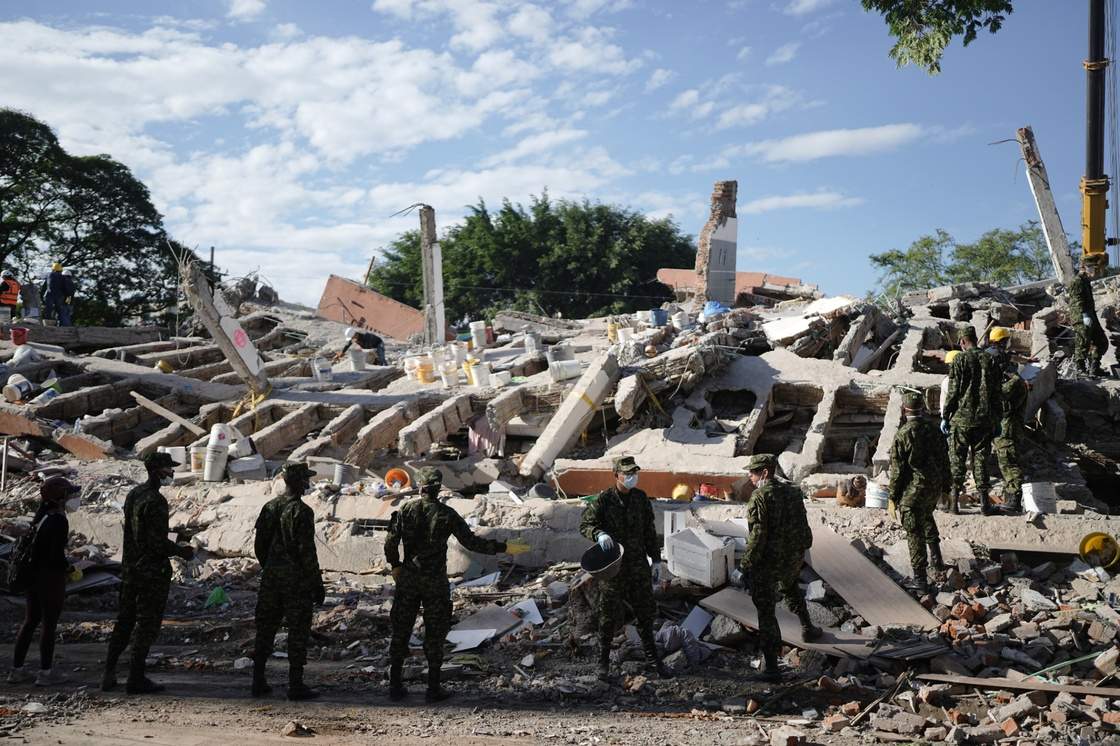
The ground stopped shaking days ago, but the crisis in western Colombia is far from over. A massive 7.4-magnitude earthquake tore through the coffee-growing heartland, leaving at least 281 people dead, nearly 4,000 injured, and hundreds still unaccounted for.
When disaster strikes a densely populated region so violently, the official numbers rarely capture the human reality. Emergency crews, soldiers, and civilian volunteers are currently sifting through mountains of concrete and twisted metal in cities like Cali and Pereira. Every hour that passes makes their job harder.
The Grim Race Against the Clock
Ask any disaster response veteran about surviving a major quake, and they will tell you about the critical 72-hour window. That initial three-day period offers the highest statistical probability of pulling people alive from the ruins. That window has closed.
Yet, rescue operations haven't stopped. David Tamayo, head of Colombia's National Unit for Disaster Risk Management, made it clear that teams will keep digging despite the diminishing odds.
Volunteers are using bucket brigades, heavy excavators, and sometimes just their bare hands to clear debris. In Pereira, a frantic operation centered around a collapsed hotel offered a brief spark of hope when signs of life were detected beneath the rubble days after the initial impact. These moments keep families going, even as the overall mission shifts from rescue to recovery.
Why This Disaster Hit So Hard
The epicenter struck near Chocó and rippled across the Andean region, impacting areas with varied structural resilience. Nearly 13,000 homes have been damaged or destroyed across the coffee zone. Hospitals, schools, and essential roadways suffered catastrophic damage, cutting off remote communities and complicating logistics.
Infrastructure failures always compound natural disasters. When regional airports like Pereira and Manizales close due to structural compromises, getting heavy rescue equipment and medical supplies where they need to go turns into a logistical nightmare. Local hospitals have been flooded with patients, forcing medical staff to treat the injured outdoors or in makeshift triage centers near the wreckage.
For President Abelardo de la Espriella, who took office just days before the disaster, this catastrophe is an immediate, high-stakes test of governance. The administration declared a state of disaster to fast-track funding, temporary housing subsidies, and military deployment. International aid, including support from the United States and the European Union, is trickling in to bolster local rescue teams and satellite damage assessments.
Living in the Aftermath
For survivors like 72-year-old Maria del Carmen Rodriguez, who lost the apartment she spent her life saving for, the immediate future means sleeping on a football field with her husband and wondering what comes next. Makeshift camps have popped up across parks and streets in Cali as thousands face homelessness.
More than 70 aftershocks have rattled the region since Monday's initial tremor, keeping communities on edge and triggering localized landslides. Seismologists warn that aftershocks could persist for weeks, making damaged structures dangerously unstable for anyone attempting to salvage belongings.
If you are trying to support relief efforts or track missing loved ones, rely on verified updates from the Colombian Red Cross or official municipal channels in Cali and Pereira, as local infrastructure continues to stabilize under immense strain.