When an overcrowded passenger ferry slips beneath the surface of the Java Sea, the headlines routinely blame the weather. High waves, sudden squalls, and treacherous monsoons offer a convenient narrative for maritime authorities seeking to deflect accountability. But decades of reporting on archipelagic transport networks reveal a far more systemic vulnerability. The capsizing of vessel services across Indonesian waters is rarely just an act of nature. It is a predictable consequence of regulatory neglect, lax oversight, and economic desperation that forces millions of island-hoppers onto floating hazards.
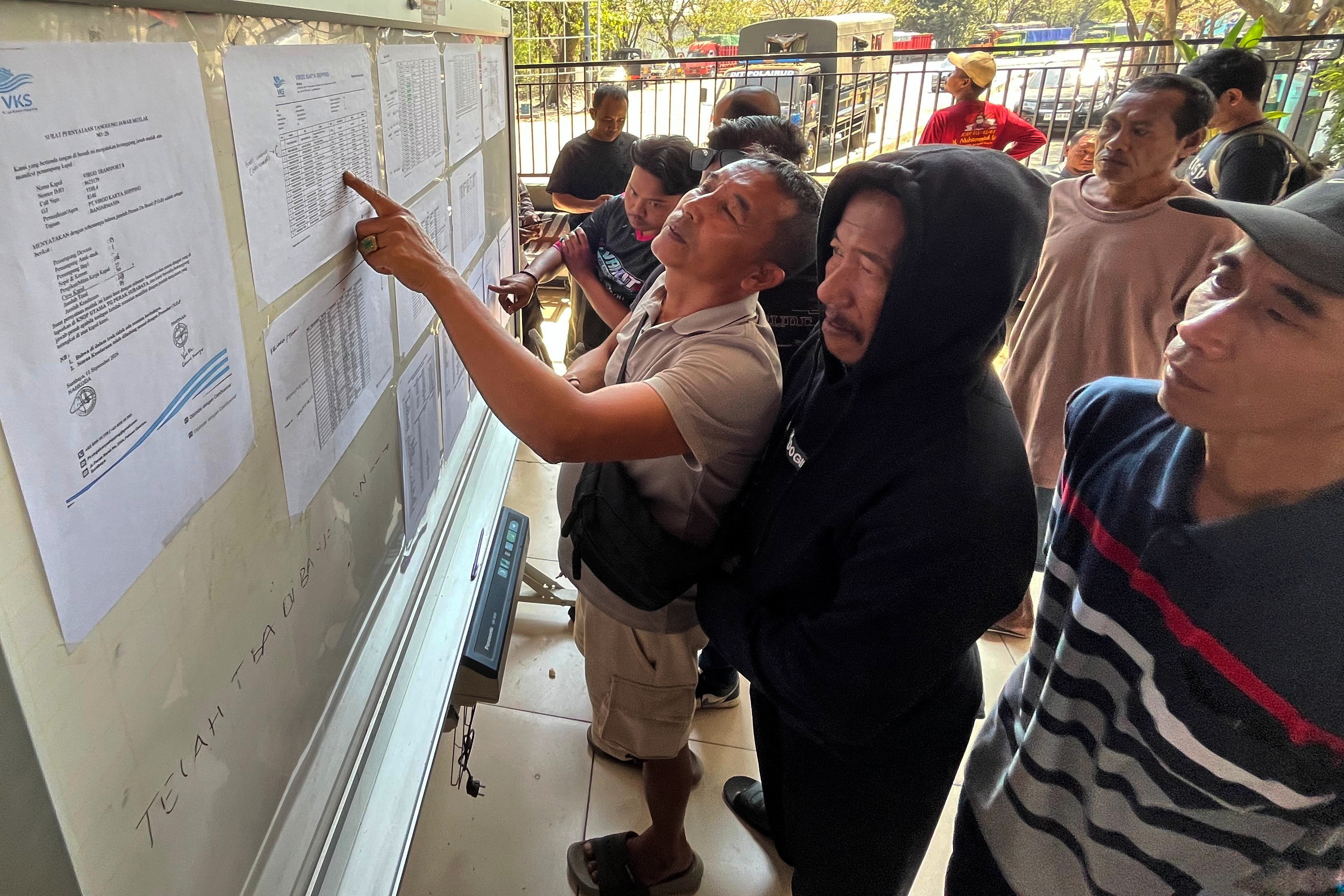
The recent tragedy involving a ferry missing with over a hundred souls onboard in the Java Sea exposes a grim reality that repeats with numbing regularity. Search and rescue operations scramble aircraft and vessels against punishing currents, while desperate families gather at ports waiting for names to appear on manifest lists that are often inaccurate to begin with. This cycle of grief and temporary outrage exposes deep institutional flaws in how safety is enforced across the world's largest island nation.
The Paper Trail of Danger
Maritime safety audits across domestic shipping routes frequently uncover a chilling pattern regarding vessel capacity. Port authorities rely heavily on departure manifests submitted by operators, yet physical headcounts are rarely conducted with rigorous accuracy once a vessel approaches its departure window. Passengers squeezed onto car decks or upper walking spaces add undocumented tonnage, subtly shifting the center of gravity on vessels already operating near or beyond their design limits.
Compounding the weight issue is the widespread manipulation of cargo documentation. Commercial trucks, motorcycles, and bulk commodities are loaded onto ferries without strict adherence to axle-weight distribution rules or secure lashing protocols. When a vessel encounters rough swells in the Java Sea, unsecured cargo shifts violently. This triggers a progressive listing effect that no ballast system can correct in time. The physics of capsizing under these conditions happen with brutal speed, leaving crews precious little time to issue a mayday call or organize an orderly evacuation.
Economic Pressures on Local Operators
To understand why safety protocols are routinely bypassed, one must examine the economic reality driving domestic maritime transport in Southeast Asia. For remote island communities, ferries are not recreational choices; they are absolute lifelines. They transport schoolteachers, medical patients, agricultural produce, and daily wage workers between islands that lack commercial flight connections.
Operators face intense pressure to keep ticket prices accessible to low-income populations while absorbing soaring fuel costs and maintenance overhead. To remain solvent, many companies cut corners on critical expenditures. Routine dry-dock inspections are delayed, aging hull plates are patched rather than replaced, and mandatory safety gear such as life rafts, emergency beacon transmitters, and personal flotation devices are either poorly maintained or entirely insufficient for the passenger count.
Crew training suffers under identical budgetary constraints. Many deckhands on regional routes lack formal certification in emergency response, firefighting, or crowd control during panic situations. When a crisis strikes, the absence of a drilled, disciplined crew turns a manageable mechanical or stability failure into a catastrophic abandon-ship scramble.
Regulatory Blind Spots
Indonesia has made notable strides in upgrading its national transportation infrastructure, particularly under modern legislative overhauls designed to centralize port security and elevate operational standards. Yet, enforcement remains fragmented across thousands of kilometers of coastline and hundreds of minor ports.
Local harbor masters often lack the personnel, equipment, or political independence required to ground unseaworthy vessels owned by influential local operators. Bribery and informal facilitation payments continue to compromise pre-departure inspections. A signature on a clearance certificate can sometimes be secured long before a comprehensive check of bilge pumps, watertight doors, or radio communication equipment is completed.
Until regional regulators possess the institutional muscle to enforce zero-tolerance policies regardless of economic disruption to local commerce, minor infractions will continue to compound until they manifest as major disasters.
The Human Toll at the Piers
While policy debates and bureaucratic investigations unfold in capital boardrooms, the immediate human consequence plays out in austere harbor waiting areas. Families confront the agonizing uncertainty of delayed communication networks, uncoordinated rescue updates, and the realization that manifest lists often fail to account for informal passengers, children traveling without individual tickets, or unregistered cargo handlers onboard at the time of departure.
The grief following these tragedies is compounded by a profound sense of inevitability. Survivors and relatives know that the same vessels, the same operators, and the same overlooked warning signs will likely resume operations once public scrutiny fades and the search zones are officially closed.
Reform in maritime safety requires more than temporary indignation after a major sinking. It demands continuous, unannounced audits of domestic fleets, heavy penalties for operators falsifying cargo manifests, and genuine investment in modern vessel tracking technology across every commercial shipping lane in the archipelago. Until those measures transition from theoretical policy goals to everyday operational mandates, the waters of the Java Sea will remain shadowed by avoidable risk.