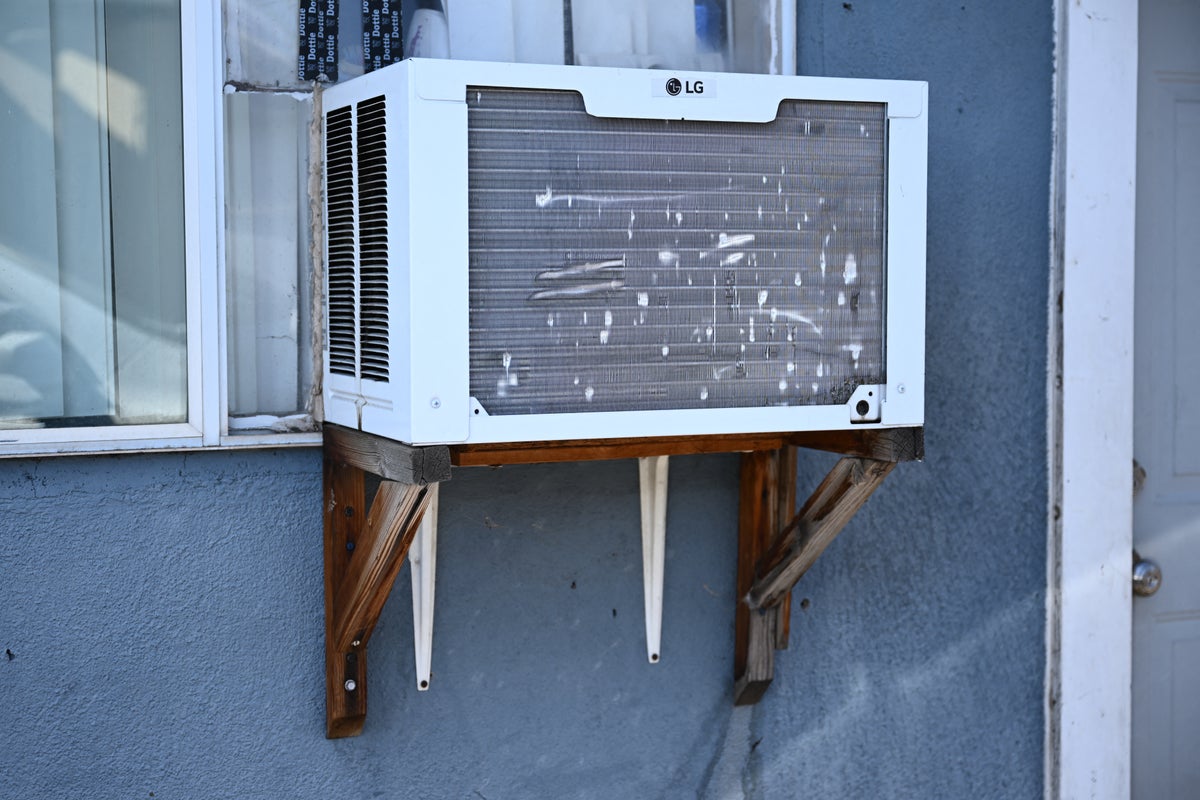
When heatwaves hit Southern California, thieves hit the rooftops. Driven by soaring global copper prices that recently spiked past four dollars per pound on commodity exchanges, organized crews and opportunistic scrap-seekers are ripping apart commercial and residential air-conditioning units across the state. This trend mirrors the wave of catalytic converter thefts that plagued drivers in recent years, but with a far more damaging ripple effect. While a missing converter disables one car, a destroyed roof compressor leaves animal hospitals, bakeries, and apartment complexes without cooling in triple-digit heat, forcing sudden shutdowns and thousands of dollars in property destruction for a few dollars in scrap.
The mechanics of these raids are brutal in their simplicity. Armed with cordless reciprocating saws and bolt cutters, thieves climb fire escapes or deploy collapsible ladders under cover of darkness. They target the external condenser coils and thick copper tubing that transfer refrigerant between system components. Cutting those lines dumps pressurized Freon directly into the atmosphere—a federal environmental crime—and wrecks thousands of dollars worth of precision HVAC machinery in less than ten minutes.
By the time employees open up shop the following morning, the only clue left behind is a stifling room and a gutted metal chassis dripping oil onto the roof tar.
The Scrap Yard Economic Engine
Understanding why an air conditioner becomes a primary target requires looking at the raw economics of non-ferrous metals. Copper remains the gold standard for thermal exchange and electrical wiring. A standard commercial rooftop HVAC unit contains dozens of pounds of high-purity copper tubing alongside aluminum fins and heavy internal compressor motor windings.
At current scrap yard rates, a raw coil pulled from a commercial unit fetches between two and four dollars per pound. A stripped compressor core yields a quick cash payout at unregulated or lax recycling yards. To the thief, a midnight raid represents a fast two-hundred-dollar payday. To the property owner, that same raid translates into a total loss.
The math is starkly asymmetrical. Replacing a commercial rooftop system or a heavily damaged central condenser can easily cost between eleven thousand and fifty thousand dollars once crane rentals, emergency labor rates, and entire system replacements are factored in. Insurance policies often carry high deductibles for wind and theft damage, leaving small operations to absorb the immediate financial hit out of pocket while waiting weeks for back-ordered replacement parts.
+-----------------------------------------------------------------------+
|                        THE COPPER STRIPPING DISPARITY                 |
+-----------------------------------------------------------------------+
|  Thief's Scrap Payout      | $50 - $200 (Cash at local scrap yard)   |
|  Direct Equipment Damage   | $4,000 - $15,000 (Cut lines & compressors)|
|  Total Replacement Cost    | $11,000 - $50,000+ (Parts, cranes, labor)|
+-----------------------------------------------------------------------+
Why Window and Rooftop Units Are Uniquely Vulnerable
Unlike catalytic converters, which require a thief to slide under a parked vehicle in a public space, commercial air handlers sit in predictable, unmonitored locations. Rooftops offer built-in concealment. Once a trespasser clears the roof edge, they can operate power tools with minimal fear of detection from street-level police patrols.
Window-mounted units present an even simpler vulnerability for ground-floor residential and retail properties. They are secured by little more than accordion plastic side panels and a standard window sash lock. Pushing the unit inward or wrenching it outward takes minimal physical force. Once dislodged, the thief drags the box into an alleyway, strips the internal motor and copper coils within minutes, and leaves the frame behind.
The victim suffers twice. First comes the physical theft, followed immediately by indoor climate collapse during extreme summer conditions. In municipal centers like Pasadena and central Los Angeles, veterinary clinics have had to deploy ice packs and temporary evaporative coolers to prevent recovering animal patients from suffering heatstroke. Bakeries lose inventory as ovens turn kitchens into unventilated furnaces without operating exhaust and cooling systems.
The Flaws in Current Law Enforcement and Regulation
State lawmakers previously tried to stem metal theft by passing strict record-keeping requirements for scrap metal buyers. Under existing California law, scrap yards must log state identification, take thumbprints, and delay cash payments for certain non-ferrous metal sales.
Yet enforcement remains spotty across thousands of independent recycling centers and underground metal yards.
Thieves circumvent regional tracking with simple tactics:
- They strip insulation and burn off identifying marks, reducing high-grade wire to generic melted copper bars.
- They mix stolen HVAC tubing into larger loads of legitimate demolition scrap.
- They transport stolen metals across county lines or sell directly to illicit middle-man buyers operating out of unmarked box trucks.
Police departments face an overwhelming volume of property crimes with limited field resources. Because metal theft is generally classified as a non-violent property offense, response times to cold burglary reports are slow. By the time an investigator arrives to take photographs of a stripped rooftop, the stolen copper has already passed through a shredder or loaded onto an export container bound for overseas smelters.
Defense Strategies That Actually Work
Property managers relying solely on security cameras are discovering that recorded footage of masked individuals wearing hoodies does very little to recover stolen equipment. Deterrence requires physical barriers and immediate local response systems.
Heavy Duty Steel Security Cages
Custom steel security cages anchored directly into concrete pads or roof support beams form the first line of defense. These enclosures require heavy plasma cutters or loud grinding wheels to penetrate, forcing thieves to spend far too much time on site.
Refrigerant Pressure Loss Alarms
Advanced HVAC security relies on pressure-drop monitoring tied directly to commercial alarm panels. When a thief cuts a copper line, the sudden release of pressure instantly triggers a siren and dispatches private security or law enforcement before the thief can unbolt the main compressor.
Lockable Roof Access and Perimeter Defenses
Removing exterior ladders, securing hatch locks, and placing motion-activated floodlights directly around rooftop perimeters eliminates the easy access routes that crews rely on during midnight operations.
The Broader Impact on Insurance and Supply Chains
This rising wave of property destruction hits at a time when HVAC replacement parts are already constrained by global supply chain bottlenecks. Replacing a crushed coil or a specialized commercial condenser can take anywhere from three days to six weeks depending on manufacturer availability.
Insurance underwriters are taking notice. Commercial policyholders in high-risk zones face skyrocketing premiums or specific policy exclusions for copper theft unless they prove the installation of steel cages and monitored security systems. For small businesses operating on thin margins, a single midnight raid can mean the difference between staying open or shuttering permanently under the weight of uninsured repair bills.
Until state regulators crack down on the illicit scrap yards buying unregistered copper tubing, air conditioners will remain primed targets for fast cash. Property owners who treat their HVAC equipment as vulnerable infrastructure rather than background appliances are the only ones successfully keeping the air flowing when the heat rises.