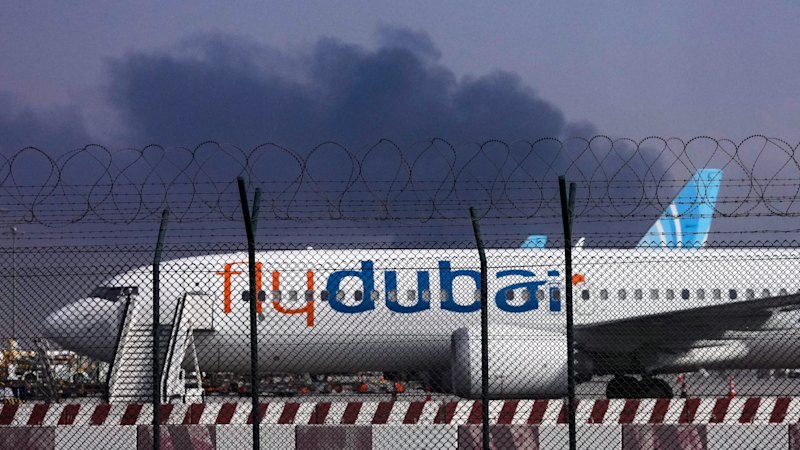
Commercial aviation operates on a terrifyingly simple premise: absolute trust in the flight deck. When a Flydubai flight bound for Tel Aviv nearly became a mass-casualty suicide weapon after a co-pilot allegedly launched a calculated knife attack against the captain, it shattered the industry's post-9/11 security architecture. Investigators later revealed that the perpetrator had methodically studied multiple carriers, targeted Ben-Gurion Airport as a primary objective, and treated his routine flight operations as dry runs. This incident did more than spark an international emergency diversion to Saudi Arabia; it exposed a glaring vulnerability in global commercial aviation that airline executives and regulators have spent decades pretending does not exist: the insider threat from within the flight deck itself.
For over twenty years, aviation security protocols have focused heavily on keeping external actors off planes. Reinforced cockpit doors, biometric locks, and rigorous passenger screening became the global standard after the turn of the century. Yet these hardened security measures inadvertently created a secure, soundproof bunker with zero internal oversight. When a pilot or co-pilot turns rogue, the heavy steel door that was designed to protect the flight deck transforms into a prison barrier, locking out desperate cabin crew while an insider executes a catastrophic plan. Security analysts have long warned that the weakest link in aviation security is not a misplaced bag or a compromised ground worker, but a credentialed professional who has passed every background check. For a different perspective, read: this related article.
The mechanics of the Tel Aviv-bound plot underline a chilling reality about modern extremist infiltration. Interrogation disclosures showed that the attacker intentionally sought employment across various commercial airlines with the explicit goal of staging a suicide attack, embedding himself inside normal operations until the right moment arrived. By frequenting the destination airport during routine shifts, he mapped out approach vectors and local airspace geometries without raising suspicion. This was not a sudden psychological break or an impulsive cockpit dispute. It was a patient, methodical exploitation of professional credentials, weaponizing the very trust required to operate a multi-ton aircraft against the hundreds of passengers seated behind the flight deck door.
Regulators now face an agonizing dilemma that defies easy administrative fixes. Implementing a mandatory two-person rule in the cockpit—where a flight attendant must step inside whenever one pilot leaves—introduces its own operational risks and potential security compromises. Psychological monitoring programs remain notoriously blunt instruments, incapable of reliably predicting deep-seated ideological radicalization or quiet intent, especially when suspects actively mask their leanings. Intelligence sharing across international borders remains fractured, allowing individuals with red flags in one jurisdiction to secure aviation jobs in another. Related analysis on the subject has been shared by NBC News.
The illusion that commercial cockpits are airtight sanctuaries against terror has dissolved. Aviation authorities can no longer rely on background checks and reinforced hinges alone while ignoring the human element sitting in the left and right seats. Until the industry confronts the reality of the insider threat with the same rigor applied to passenger luggage, every flight remains vulnerable to the enemy already holding the controls.


