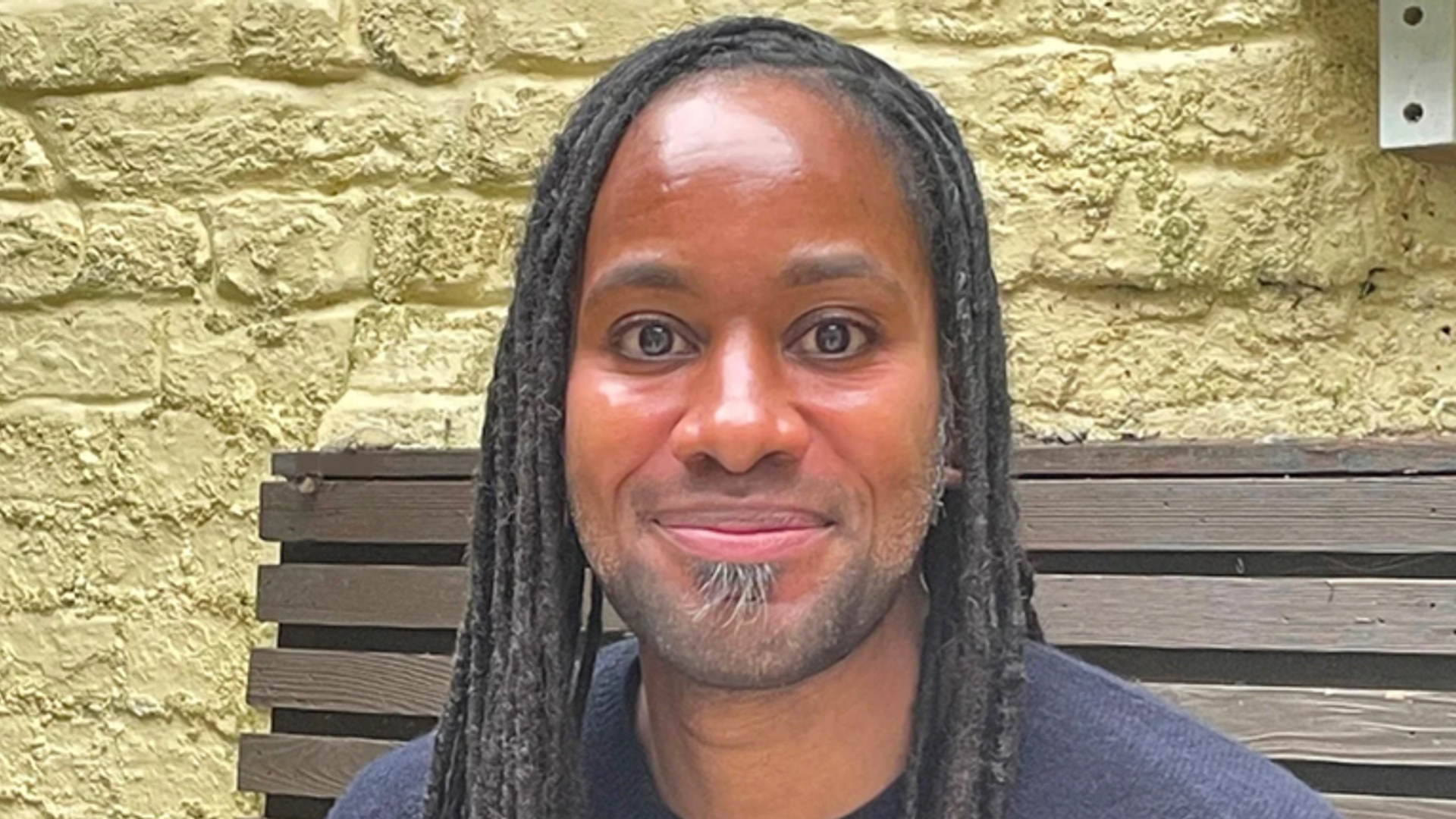
The University of Cambridge has formally initiated an independent review into its own institutional decision-making, actions, and support structures following the tragic death of Professor Jason Arday. Appointing former Chief Crown Prosecutor Nazir Afzal to spearhead the first phase of this inquiry, the university faces a profound reckoning over how it manages high-profile scholars caught in the crosshairs of vicious public controversies. Arday, who made history in 2023 as the youngest Black professor at Cambridge, died unexpectedly at his South London home, leaving behind a vacuum of grief, anger, and deeply uncomfortable questions about the modern academic ecosystem.
For months prior to his passing, Arday had been the target of an intense, highly polarized campaign driven by online critics and ideological adversaries. The storm gathered momentum after allegations surfaced questioning elements of his doctoral research and personal background. What followed was a digital piling-on that mutated from academic critique into a relentless harassment campaign. As the institutional walls seemed to close in, the foundational obligations of a historic university—duty of care, pastoral protection, and structural shielding against bad-faith attacks—were severely tested.
Now, the institution must answer whether its administrative machinery did enough to protect a trailblazing academic under siege.
The Anatomy of a Modern Academic Witch Hunt
Modern academia has become a proxy battleground for broader cultural fractures. When Jason Arday assumed his chair at Cambridge, his appointment was heralded as a milestone for representation. Yet, that very visibility turned him into a lightning rod.
Critics operating within hyper-polarized digital spaces targeted his credentials with microscopic intensity. Accusations regarding citation practices in his earlier work were weaponized across blogs and social media platforms, amplified by commentators eager to dismantle diversity frameworks by discrediting their beneficiaries. The line between legitimate academic scrutiny and targeted personal destruction vanished completely.
Universities are historically ill-equipped for this kind of warfare. Built for centuries-long traditions of peer review, slow deliberation, and autonomous inquiry, traditional ivory towers are poorly calibrated to respond to viral outrage cycles. When an academic is subjected to an online mob, standard human resources protocols stutter. Committees form slowly. Statements are drafted through layers of legal counsel. By the time an institution decides how to issue a public defense, the narrative has already been poisoned beyond repair.
Cambridge's forthcoming review, divided into two distinct parts led by external investigators, aims to dissect these exact institutional lag times. Part one will focus heavily on the immediate support, interventions, and protections available to Arday during his final months. Part two will broaden the lens, evaluating recruitment pipelines, senior mentoring structures, and how the university handles research misconduct allegations when they intersect with extraordinary public scrutiny.
The Institutional Failure of Pastoral Care
To understand the crisis at Cambridge, one must look closely at the lonely nature of tokenized elevation. When an institution hires a historic first, the fanfare is deafening. Press releases travel globally. Photographs are taken in wood-paneled halls.
Yet, the day-to-day reality of inhabiting that space is often profoundly isolating. Junior and mid-career scholars from marginalized backgrounds frequently find themselves navigating an unspoken double standard: they must embody excellence while absorbing a disproportionate share of administrative and public visibility. When external actors launch coordinated attacks against their credibility, the institutional support system often treats the controversy as a public relations liability rather than a human crisis.
Did Cambridge view Professor Arday as a scholar requiring urgent pastoral intervention, or as a brand asset needing damage control? That is the uncomfortable question facing Nazir Afzal's panel.
Colleagues and community members have voiced acute fury over the adequacy of the university's response. Vigils in central London drew thousands, with speakers openly condemning the toxic convergence of media hostility and institutional silence. The rhetoric from academic unions and student bodies has been unsparing, pointing out that universities cannot proudly market their progressive milestones while abandoning the human beings who achieve them when the political winds shift.
Reforming the Ivory Tower
The scope of the Cambridge inquiry extends far beyond one tragic death, though that remains its moral center. It forces a systemic examination of how elite British universities vet, support, and retain high-profile appointments.
When allegations are raised against a scholar's past work, institutions face a delicate balance. They cannot ignore substantive questions regarding academic integrity. Rigor is the bedrock of scientific and humanistic inquiry. However, universities also possess a fundamental obligation to ensure that due process is preserved, and that their faculty members are not thrown to the wolves of social media amplification at the first sign of controversy.
If an external blog post or a politically motivated digital campaign can effectively destabilize a Cambridge professor without robust, transparent institutional backing, then the tenure system and academic freedom are facing an existential threat. The review must establish clear, binding protocols for safeguarding staff who become targets of coordinated online abuse. It must mandate mental health infrastructure that moves past superficial wellness campaigns and offers concrete, responsive intervention.
Accountability cannot remain a theoretical exercise confined to committee reports. Vice-Chancellor Professor Deborah Prentice has pledged that the findings will lead to direct structural changes. Those promises will be judged against the tangible reforms that emerge from the independent panels over the coming months.
The ivory tower was built to withstand the passage of centuries, but it is buckling under the velocity of modern digital malice. The death of Jason Arday stands as a devastating indictment of that vulnerability, exposing the heavy human cost paid when institutions fail to protect their own.
Jason Arday, DEI, and the dilemma facing black academics
This video provides additional context on the complex pressures and public scrutiny faced by Professor Jason Arday within the higher education landscape.
http://googleusercontent.com/youtube_content/1